
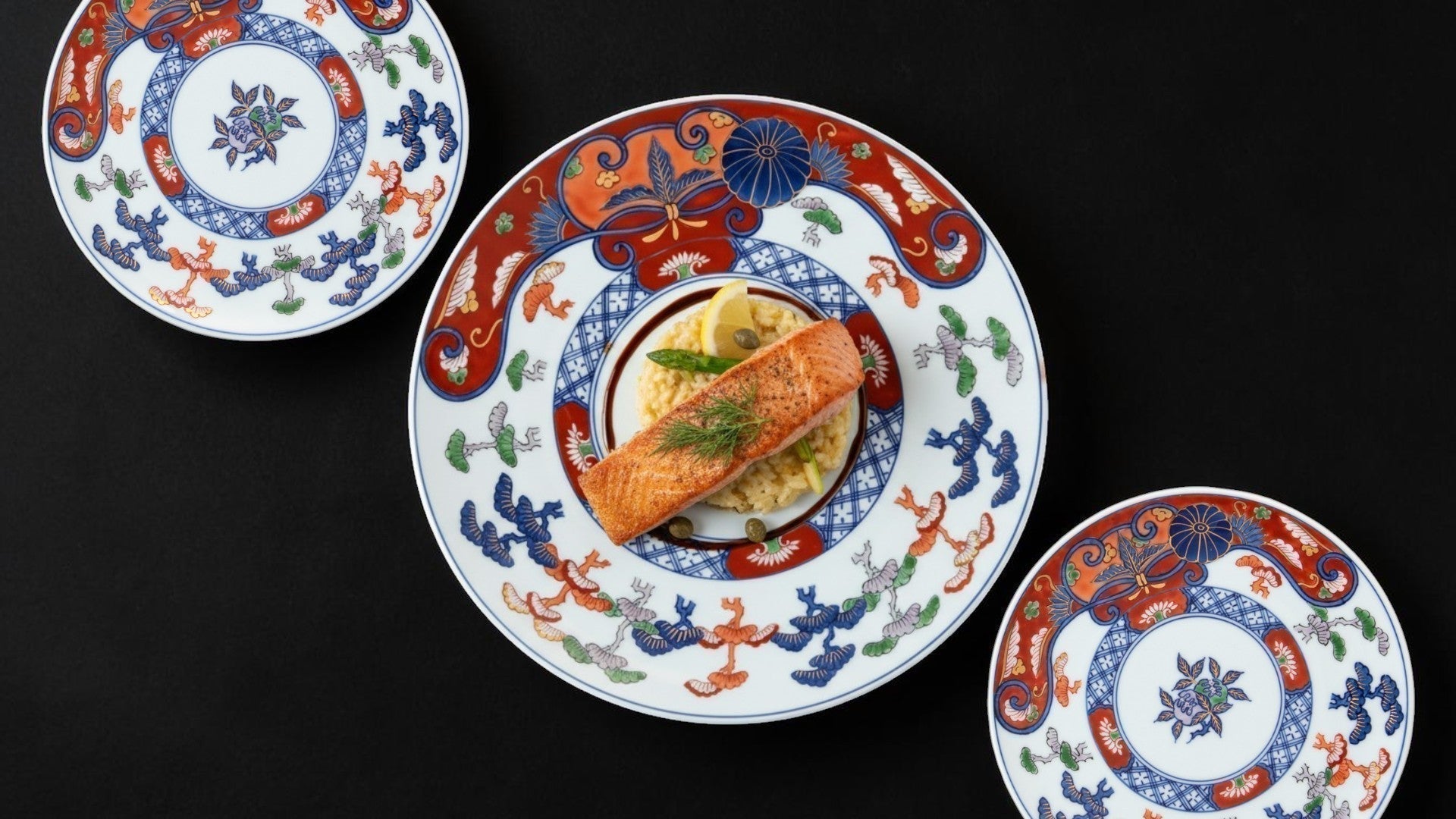
Why Food Tastes Better at Your Favorite Restaurant
Have you ever noticed how a simple cup of coffee, sipped from a heavy ceramic mug at your local cafe, seems to taste better than the one you brew in your own kitchen? Or how a pasta dish you have perfectly replicated at home still feels like it is missing something compared to the version served at your neighborhood bistro?
We tend to attribute this to the chef's technique or the novelty of eating out. But the answer may lie in something far more deliberate: intentionality. When we dine at a restaurant, we step into a curated experience. The menu, the lighting, the music, each element has been chosen with purpose. Yet the most overlooked contributor to that experience is often the vessel it is served in: the one sitting directly beneath the food.
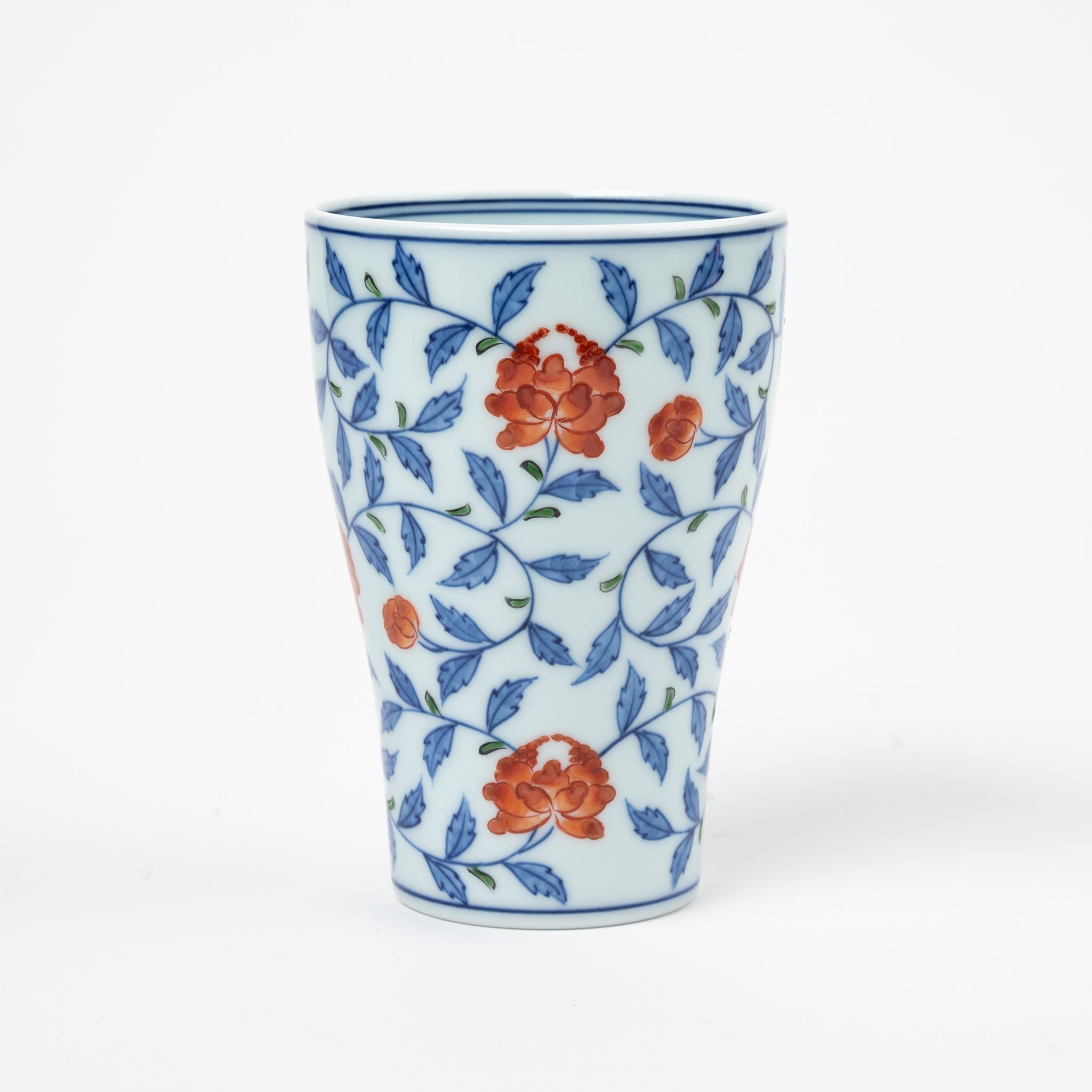
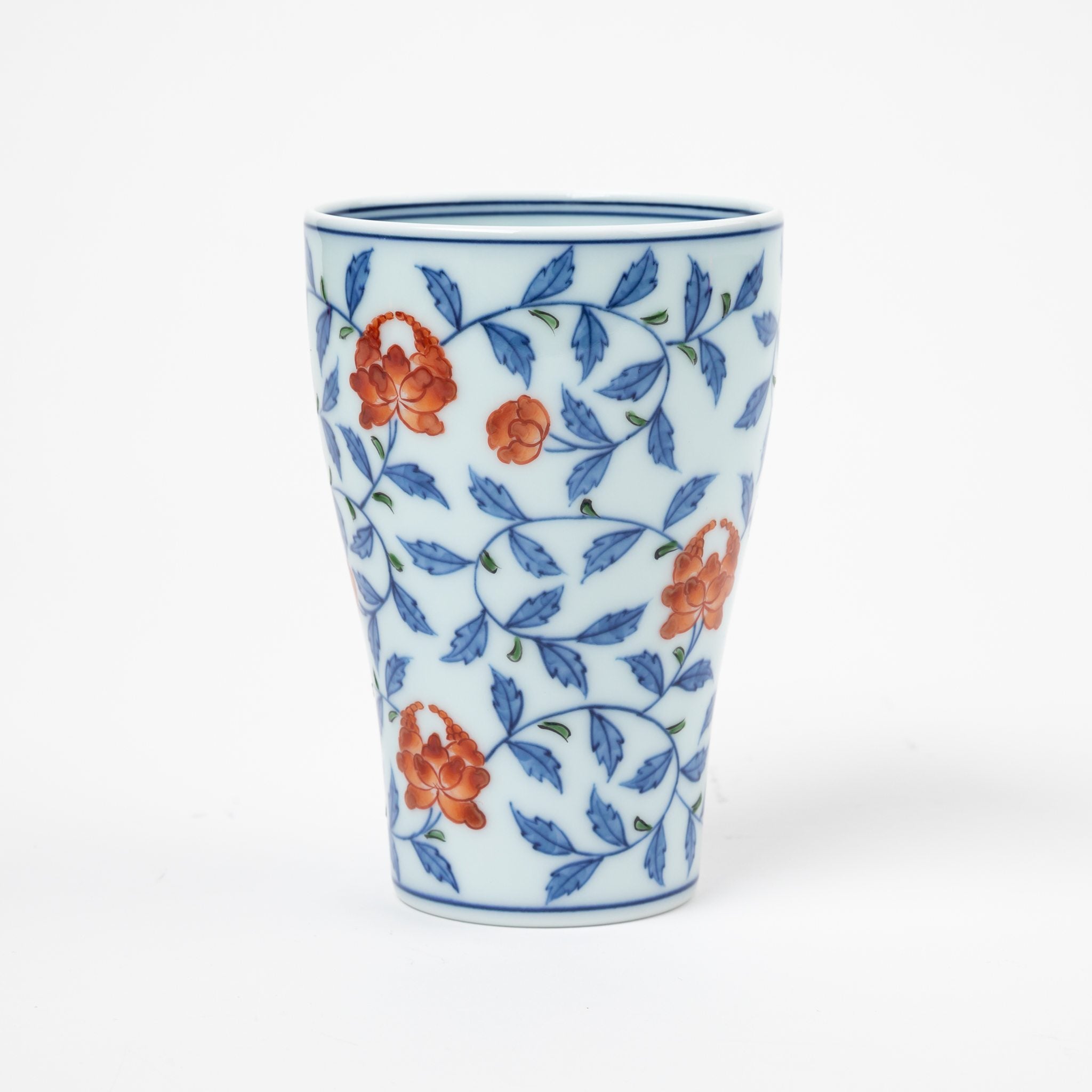
 This is a principle that has guided the ceramicists of Gen-emon Kiln for generations. Founded in Arita, the birthplace of Japanese porcelain, Gen-emon has long held that the relationship between a plate and the food it holds is not incidental; it is compositional. As the father of the kiln's current head once said: "When someone eats from Gen-emon ware, they should feel good." It is a deceptively simple idea, and one that science is only now beginning to fully explain.
The Psychology of Color and Perception
Our eyes often cast the deciding vote on flavor before the first bite reaches our lips. Research from the University of Portsmouth suggests that even a subtle shift in a vessel's color can lead us to perceive food as saltier, sweeter, or more complex. This aligns with what Le Cordon Bleu has articulated about the art of plating: presenting a dish with visual intention communicates the meal's value to the diner before a single bite is taken.

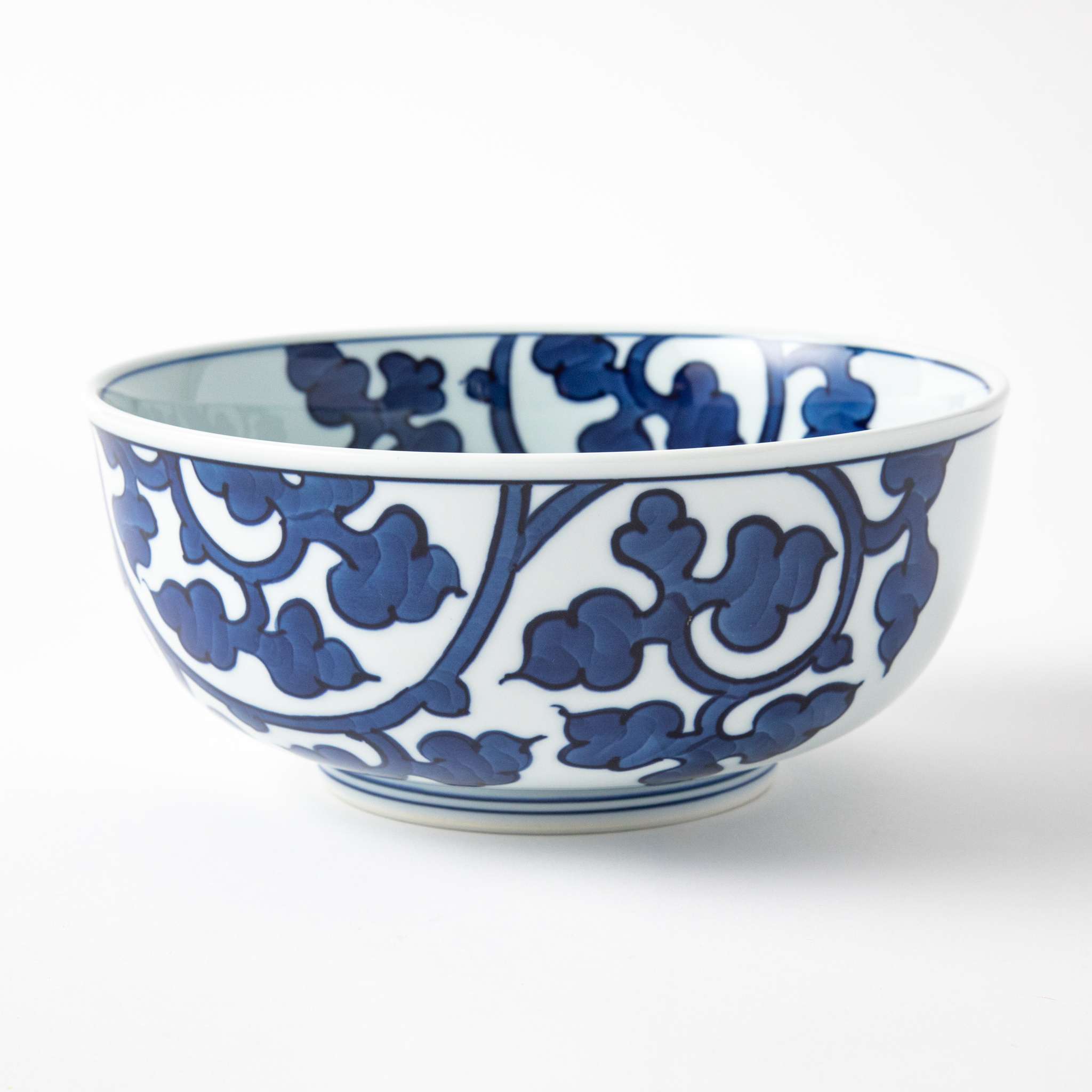
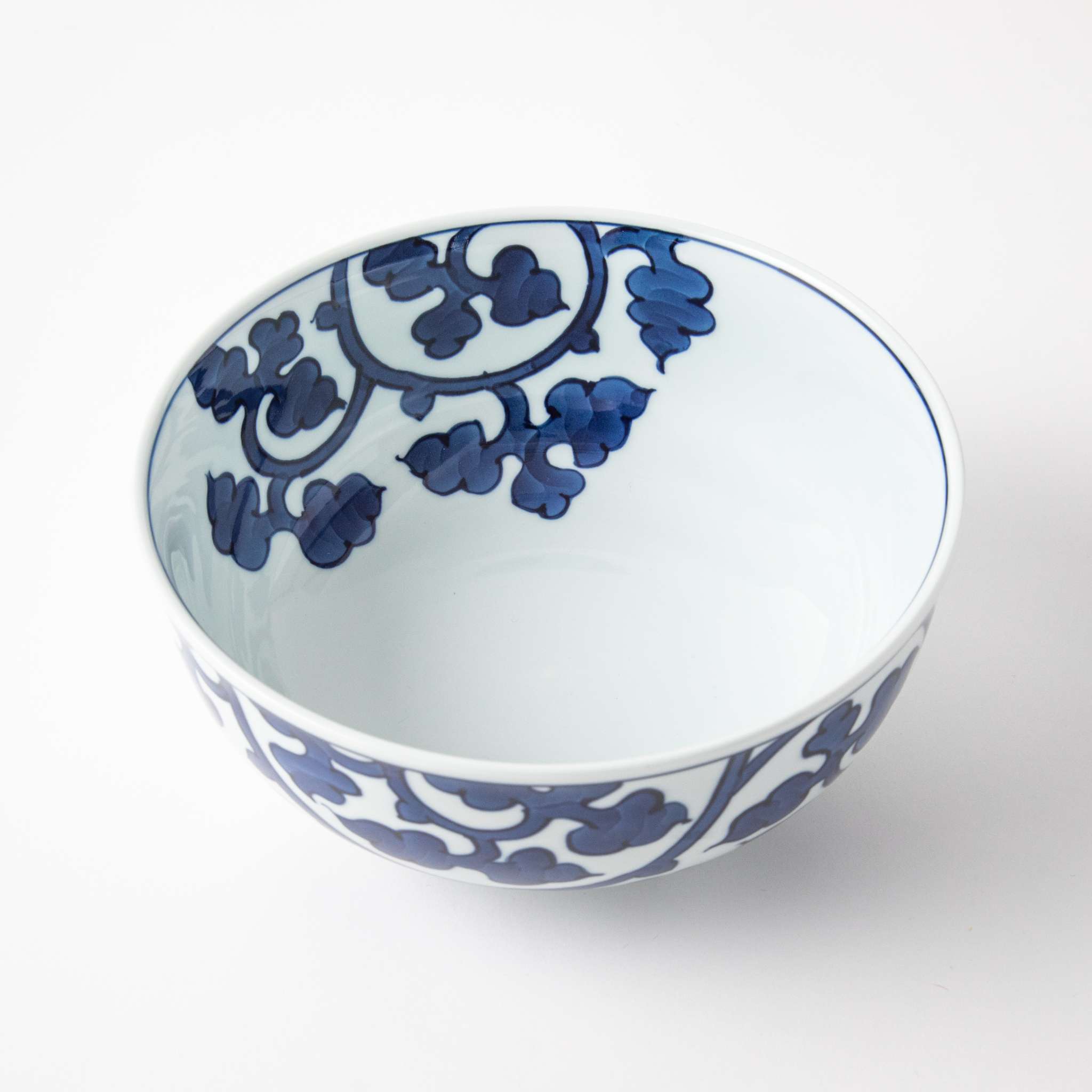
Arita Red Arabesque Noodle Bowl | Gen-emon Kiln
Color, it turns out, is not merely decorative. Red is a high-stimulation color. Because it reads as warm and vivid, it can act as an appetite stimulant and heighten the perception of savory intensity, making a well-seasoned dish feel more robust. For sweeter preparations, the association with ripe fruit means a red vessel can amplify the sense of indulgence on the palate.
 Arita Green Arabesque Noodle Bowl | Gen-emon Kiln
Green carries an almost universal association with freshness. Serving food against a green surface reinforces the perception of ingredients as bright and seasonal, a quiet signal to the brain that what it is about to experience is clean and alive. Blue operates differently. Rare in the natural food world, a deep indigo ground creates contrast that causes warm tones in food to appear more vivid. The sear on a protein, the brightness of a citrus garnish, against blue, these elements intensify.
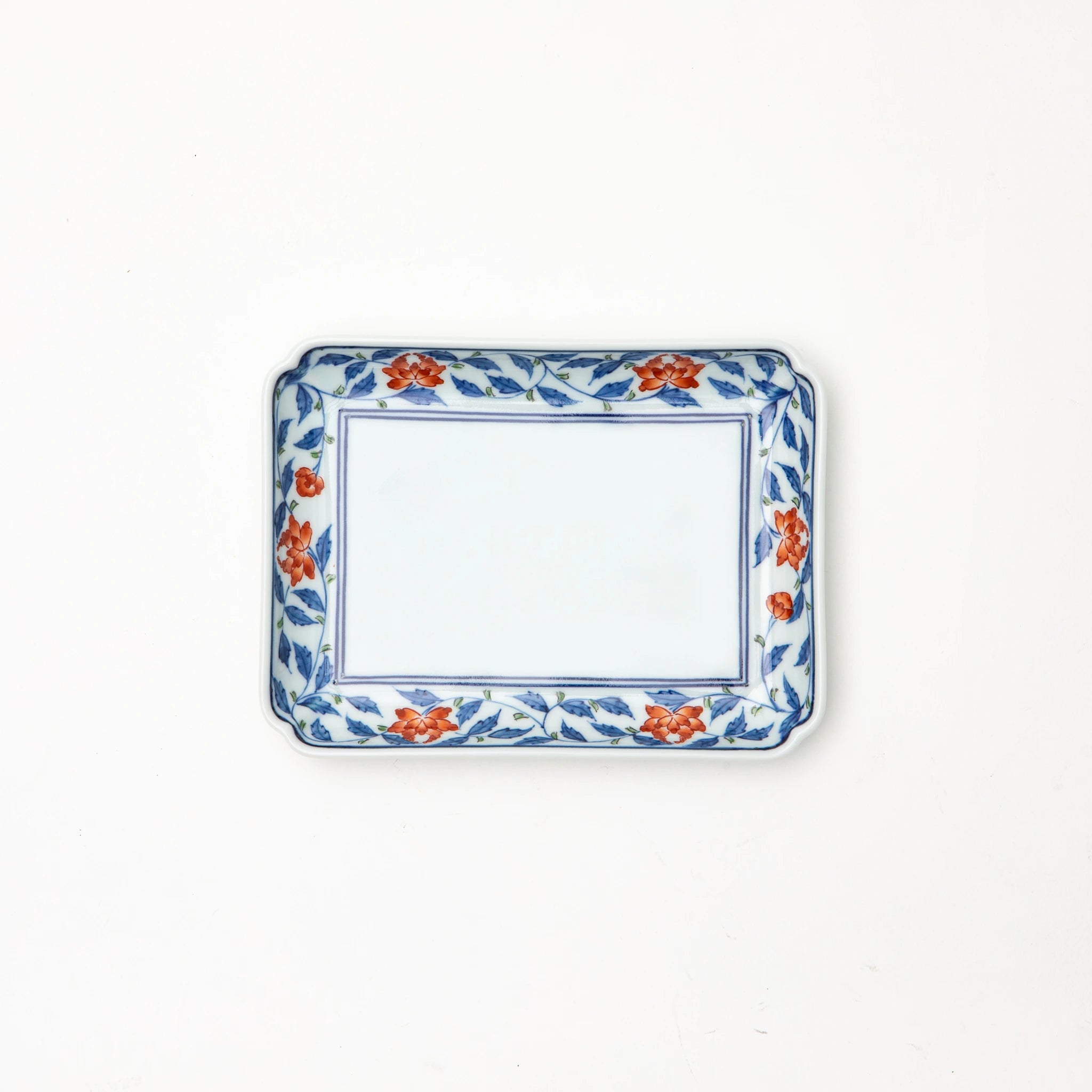
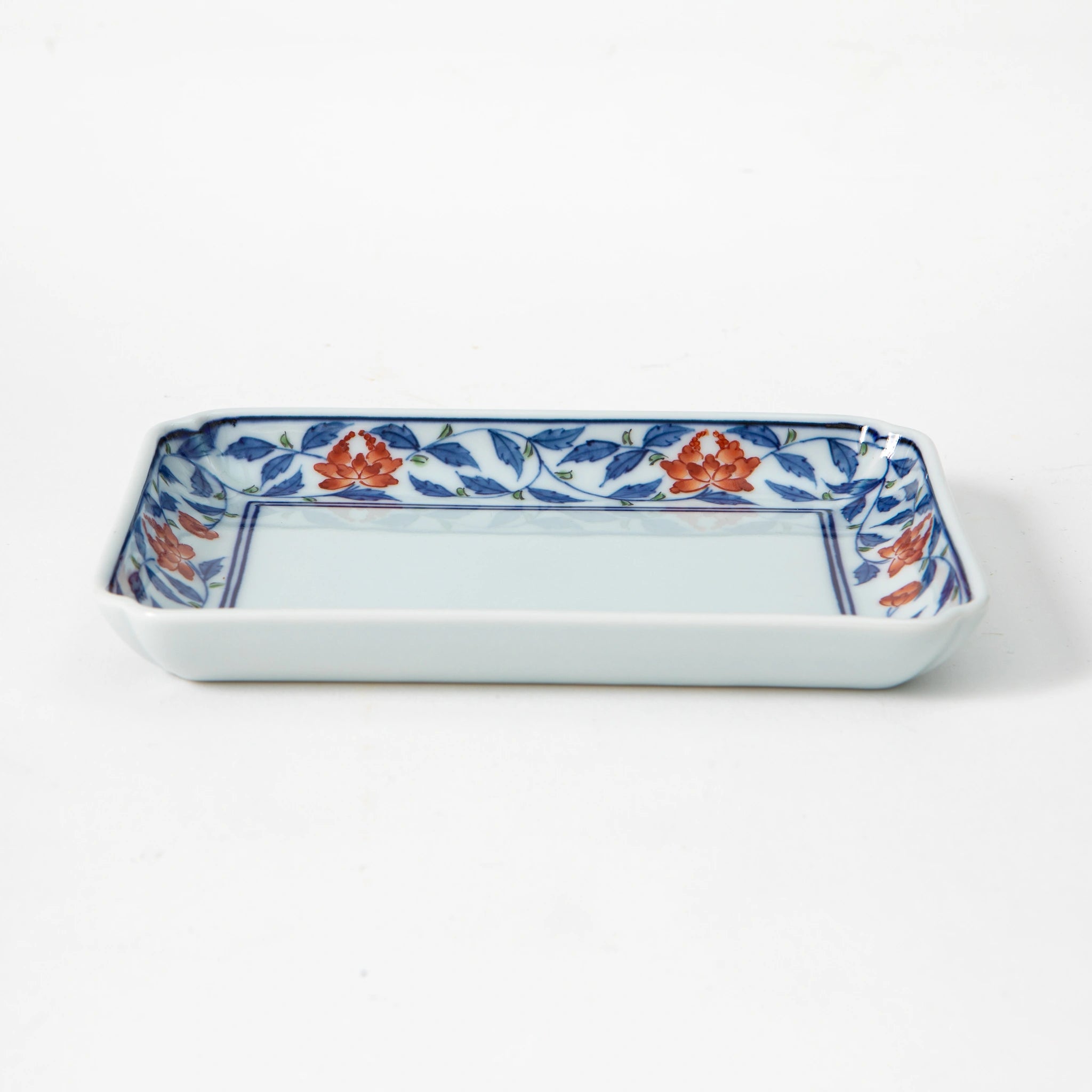
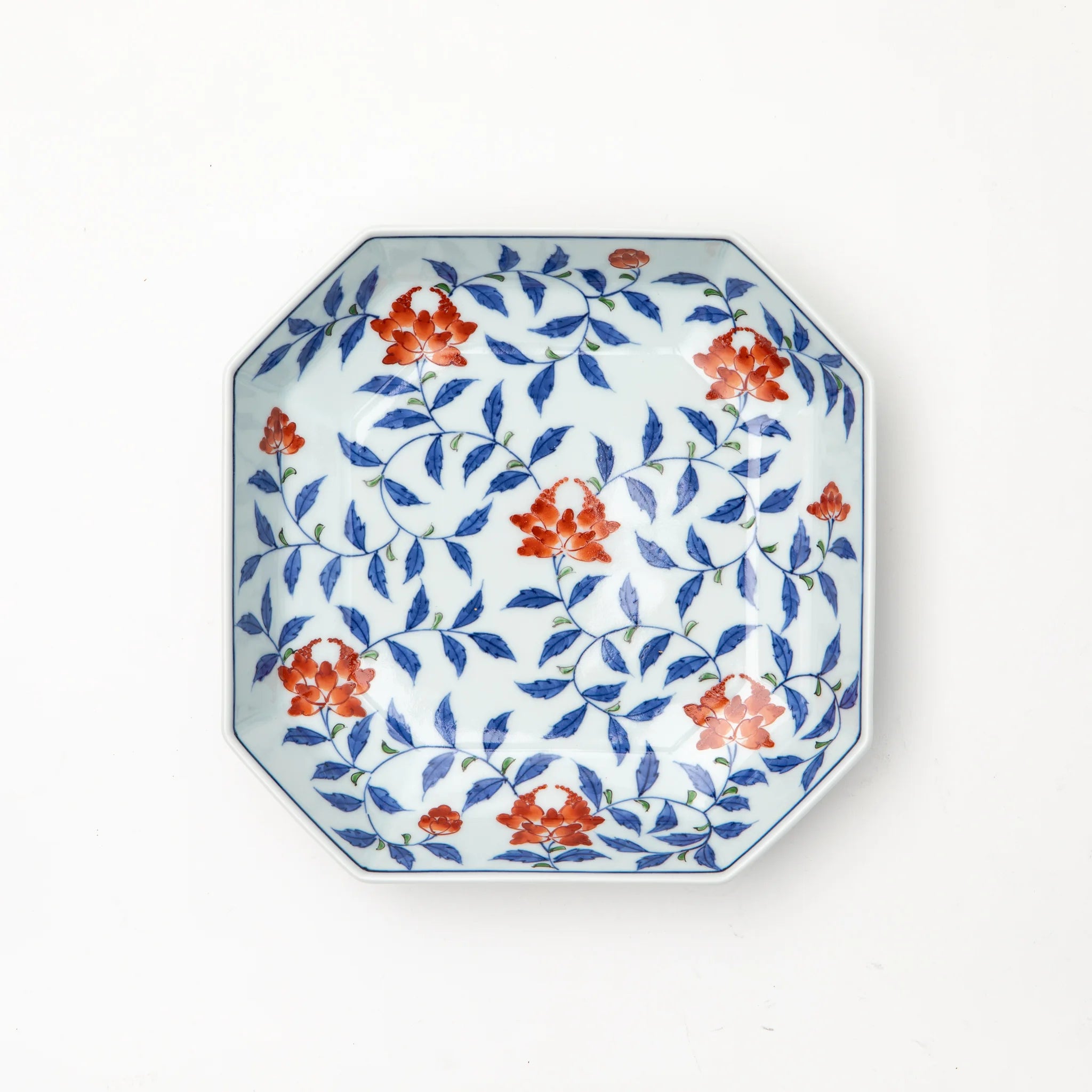
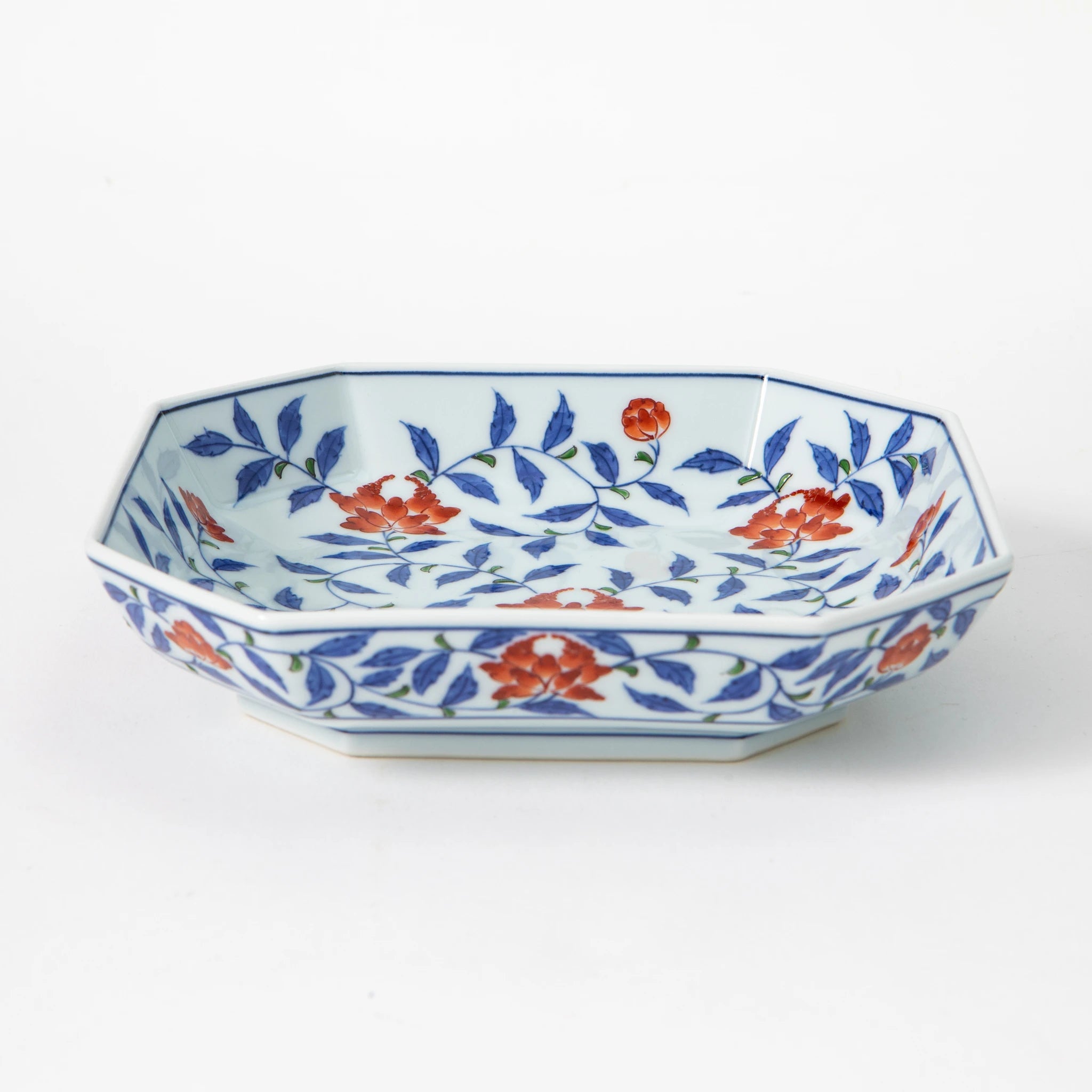
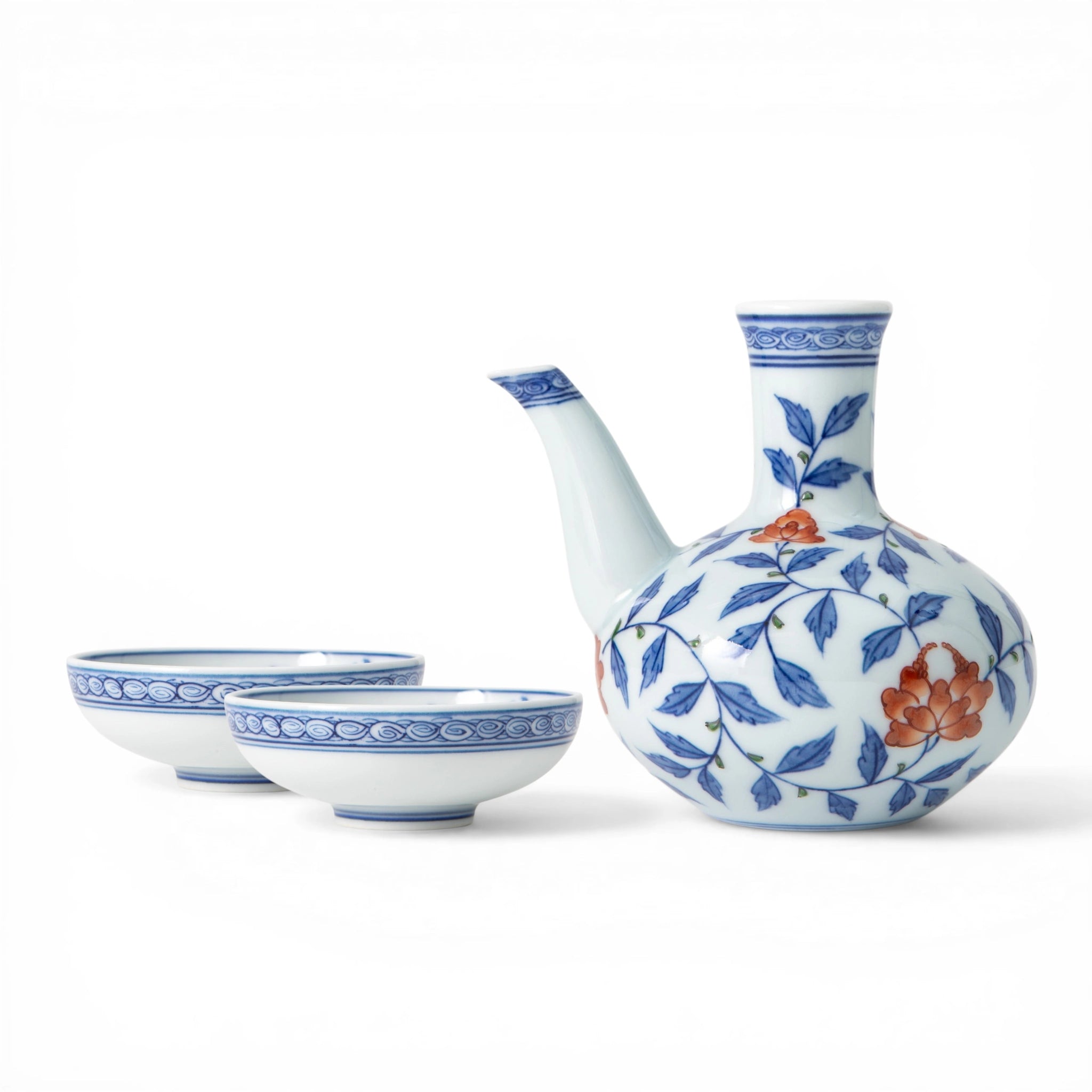
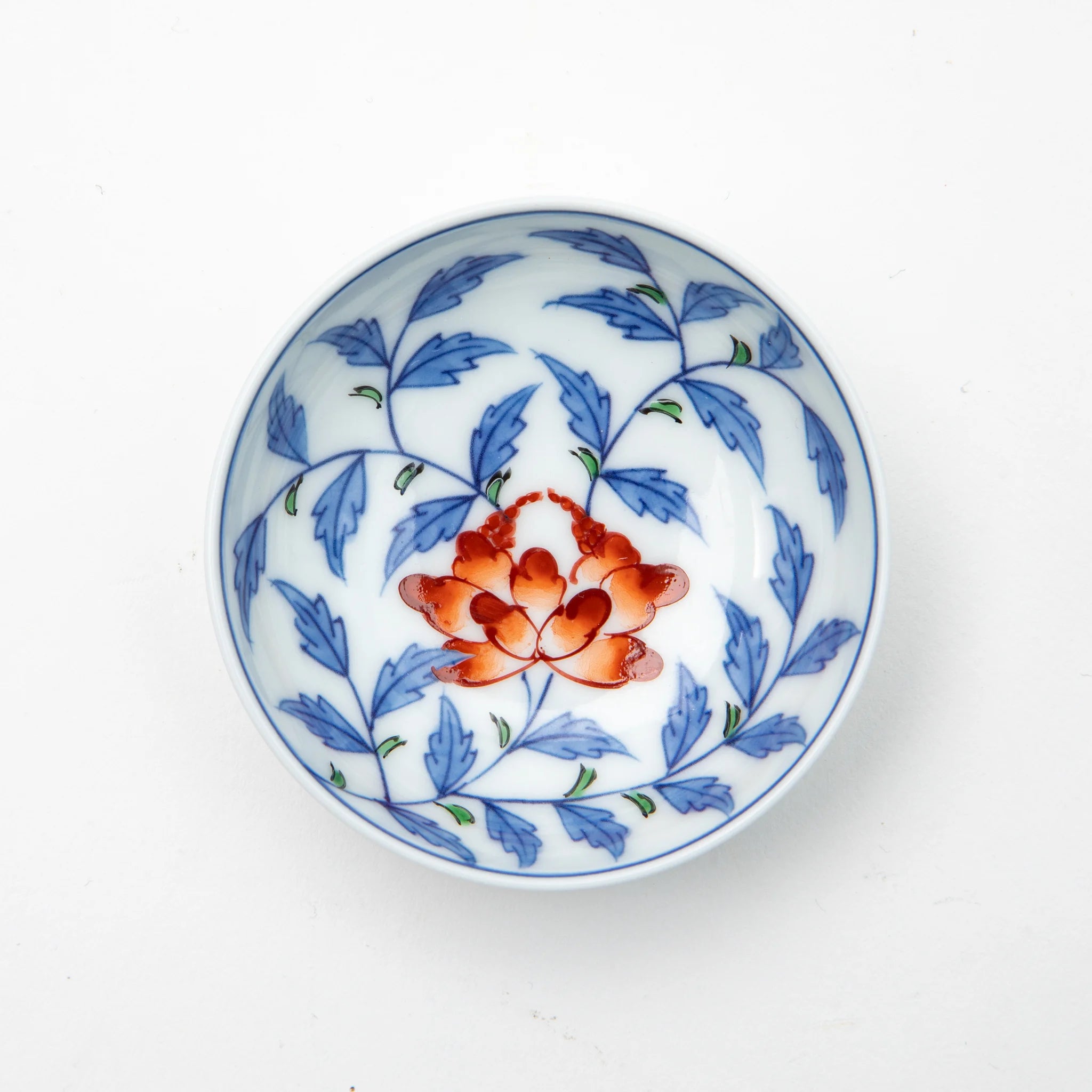
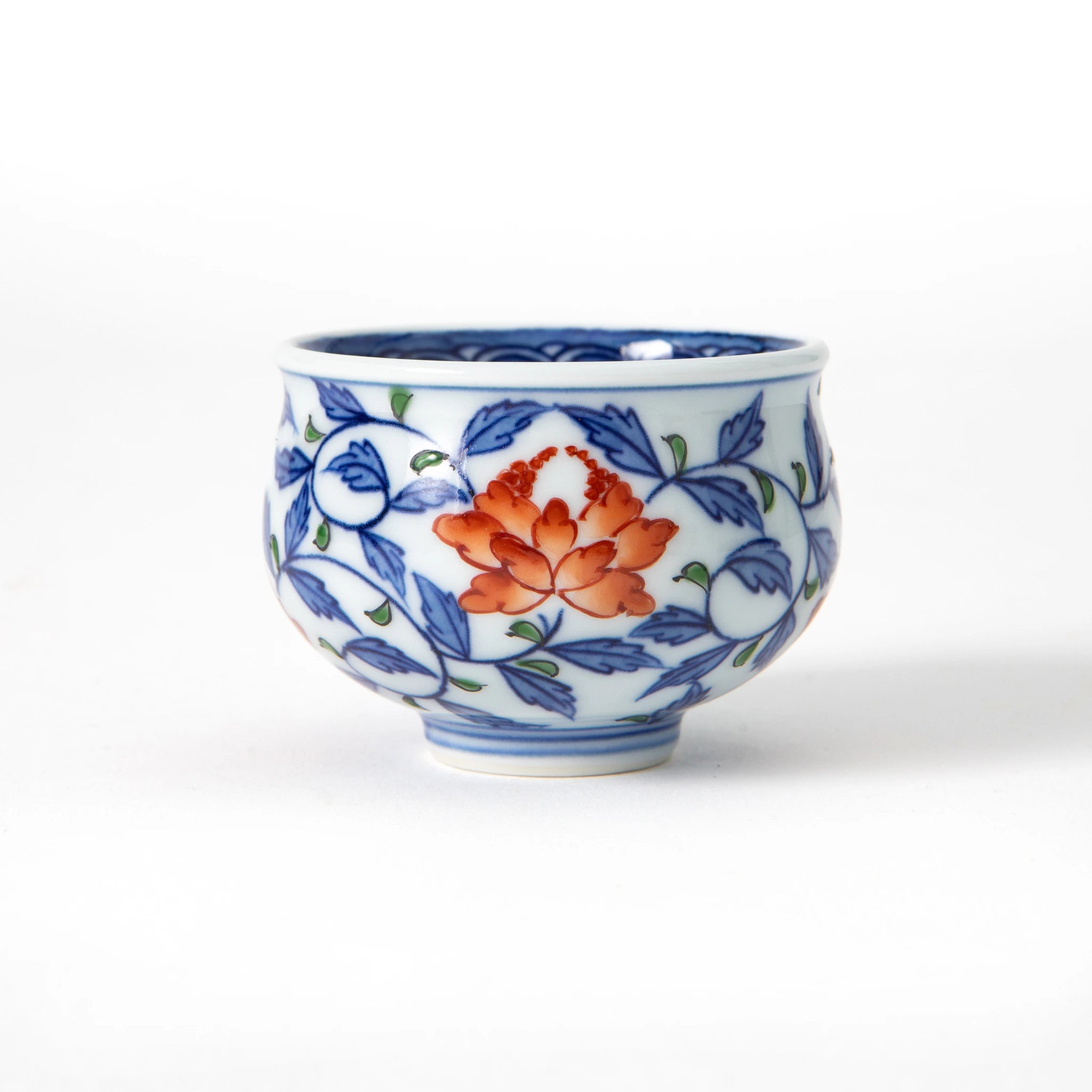
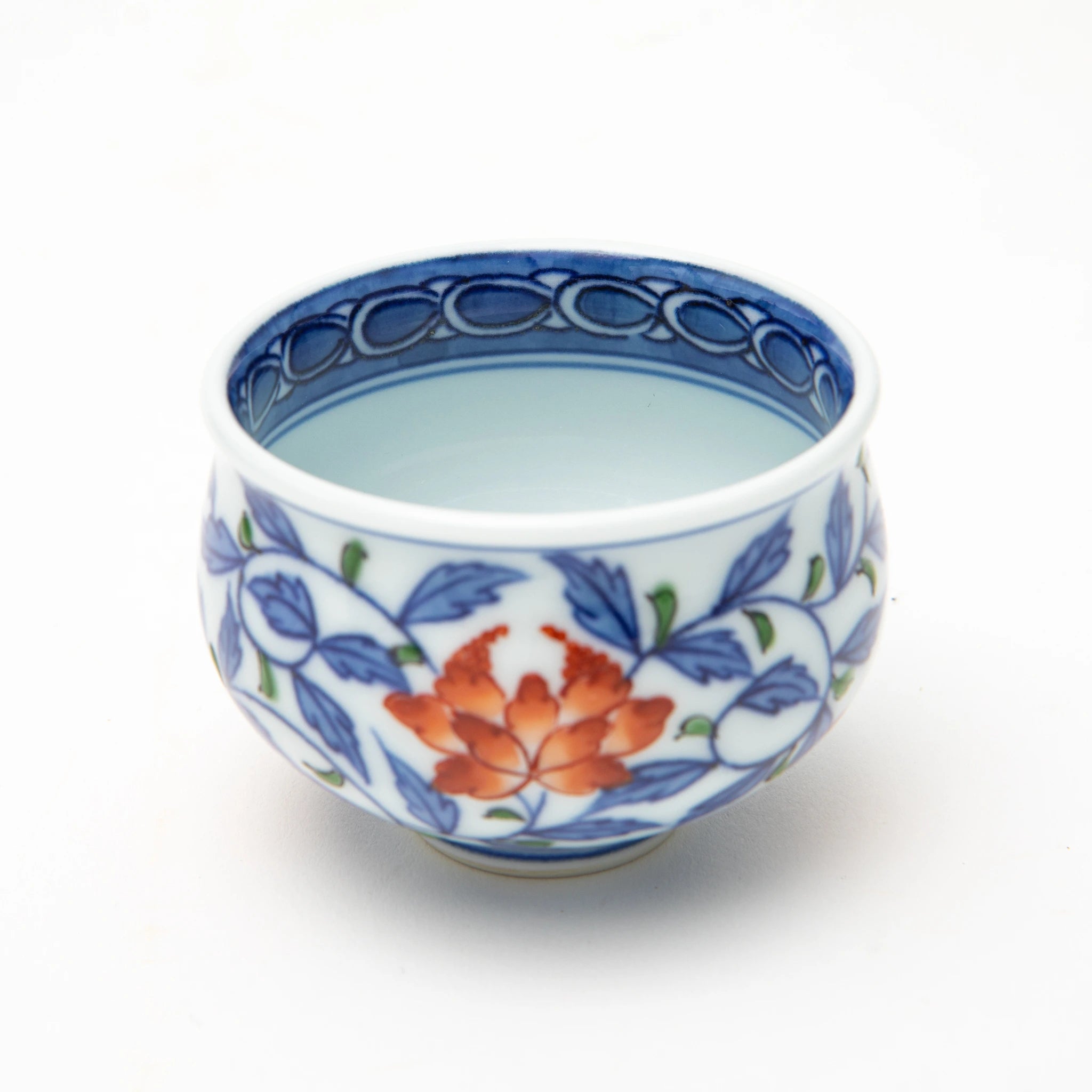
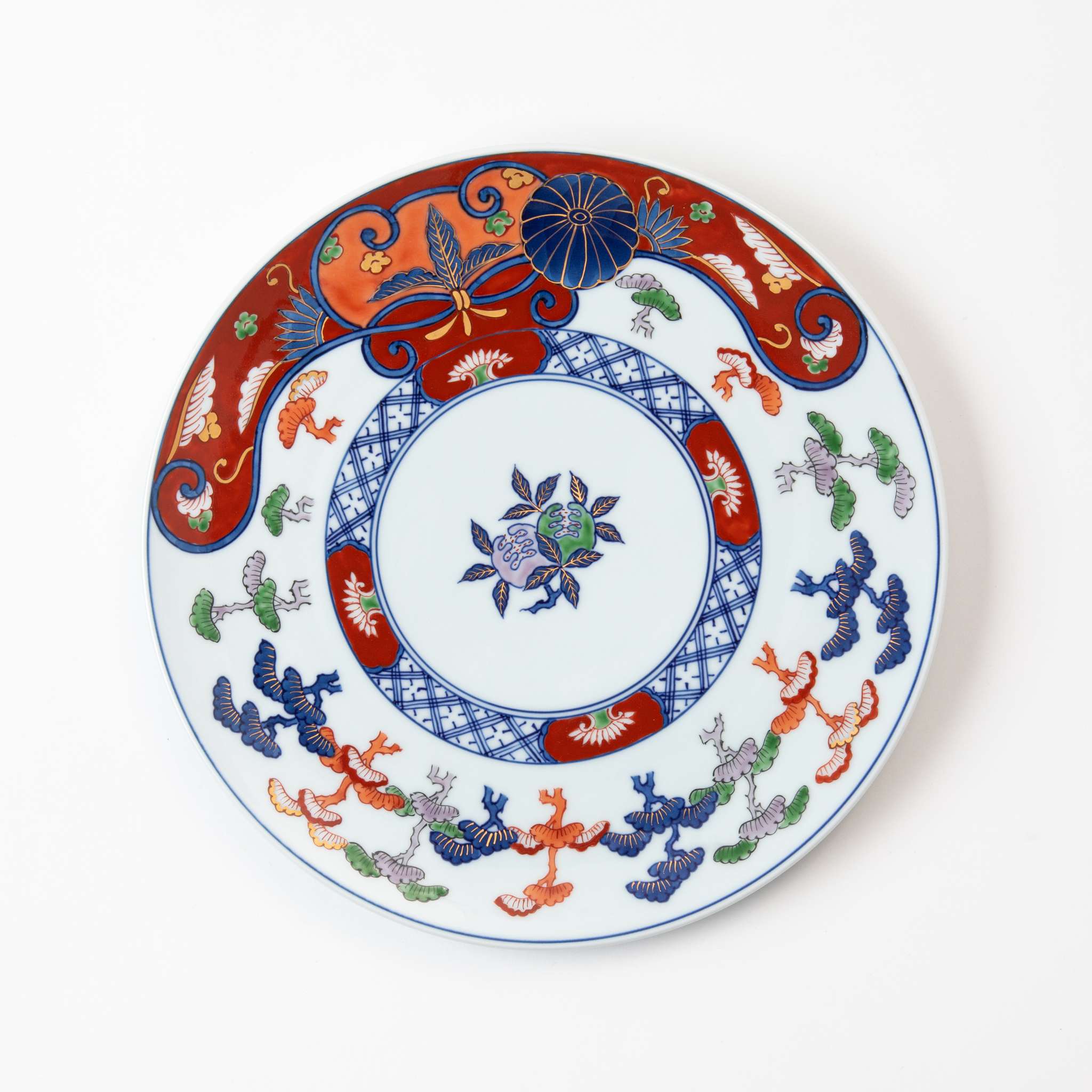
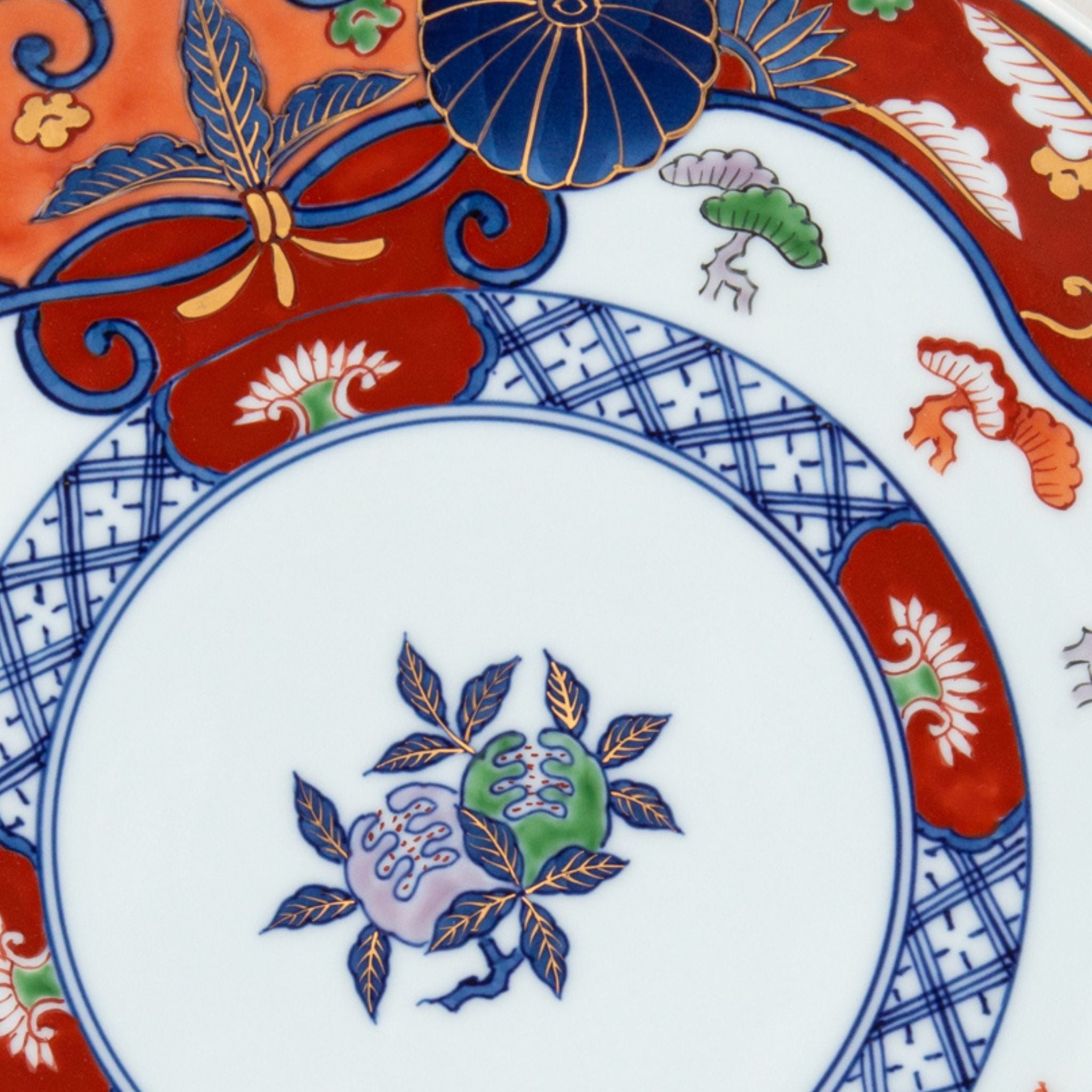
Beyond color, the motifs of a hand-painted plate communicate craft before the meal begins. Intricate patterns signal intentionality and skill, priming the diner to receive the food as something worth attention. The interaction between a dish's arrangement and the surface beneath it shapes our perception of quality in ways we rarely articulate but consistently feel.
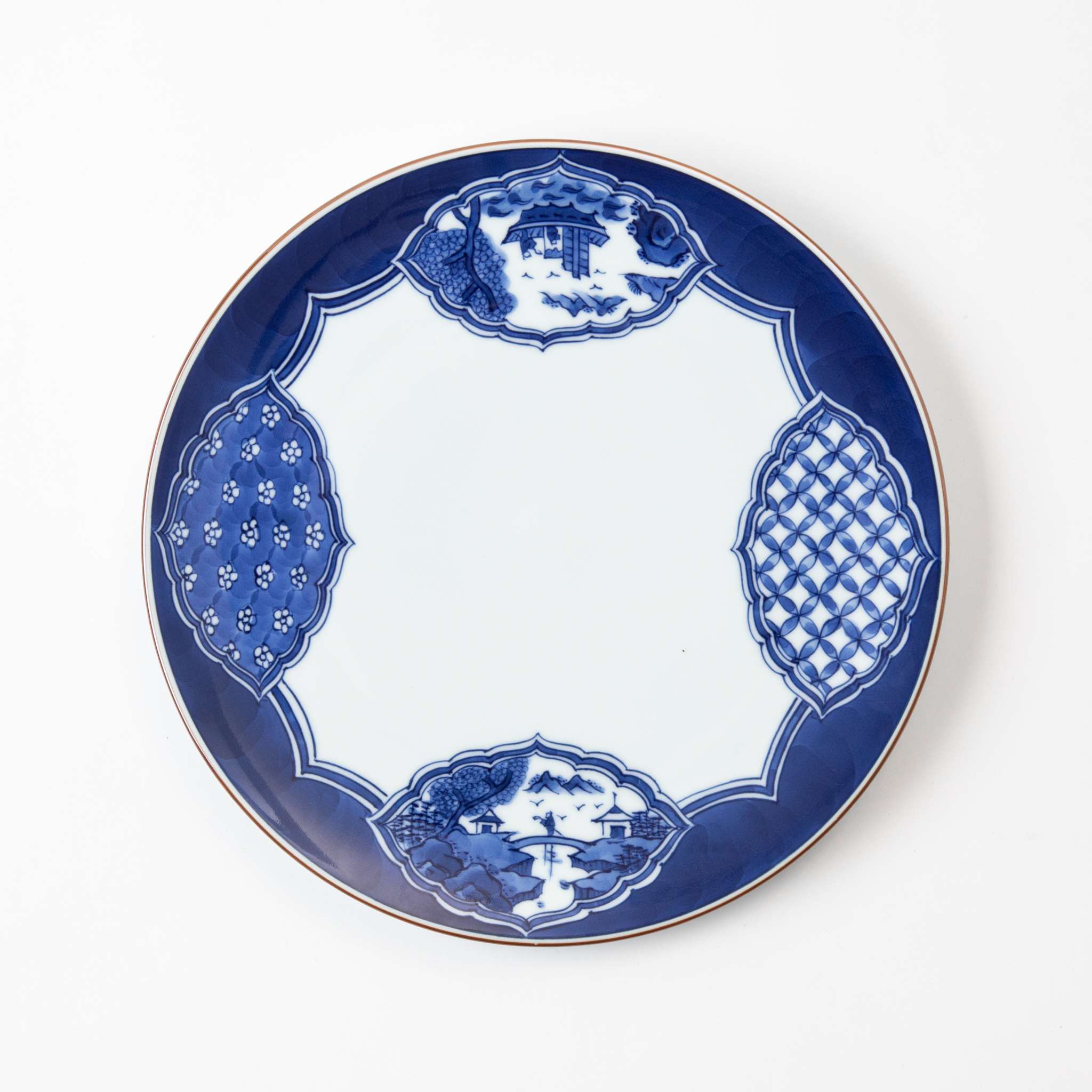
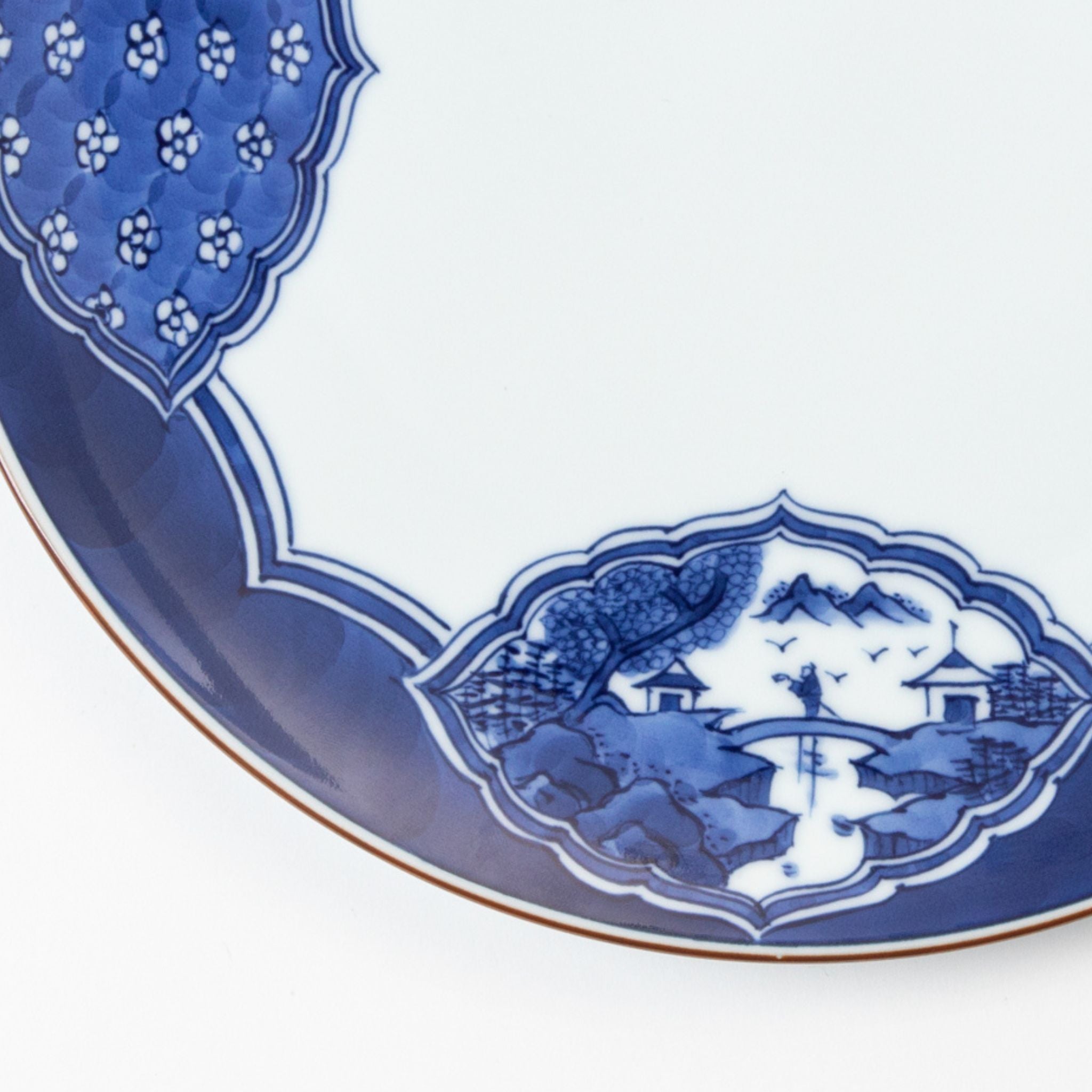
 Arita Auspicious Plate | Gen-emon Kiln
The Canvas of Your Kitchen
The missing ingredient in a home-cooked meal is rarely a technique or a spice. More often, it is the frame. The weight of the porcelain, the way glaze catches light, the considered relationship between pattern and food, these are the conditions under which a meal becomes an experience.
Gen-emon Kiln's work is built on exactly this understanding. Each piece is thrown, painted, and fired with the knowledge that it will one day hold food, and that the two will be perceived together. To eat from Gen-emon ware is to bring that same level of intention to your own table, to close the distance between a meal eaten out and one made at home.
Discover the craft behind the kiln in our latest piece: The Warmth of the Human Hand: Inside the World of Gen-emon Kiln.