Skip to content

Cart

Your cart is empty

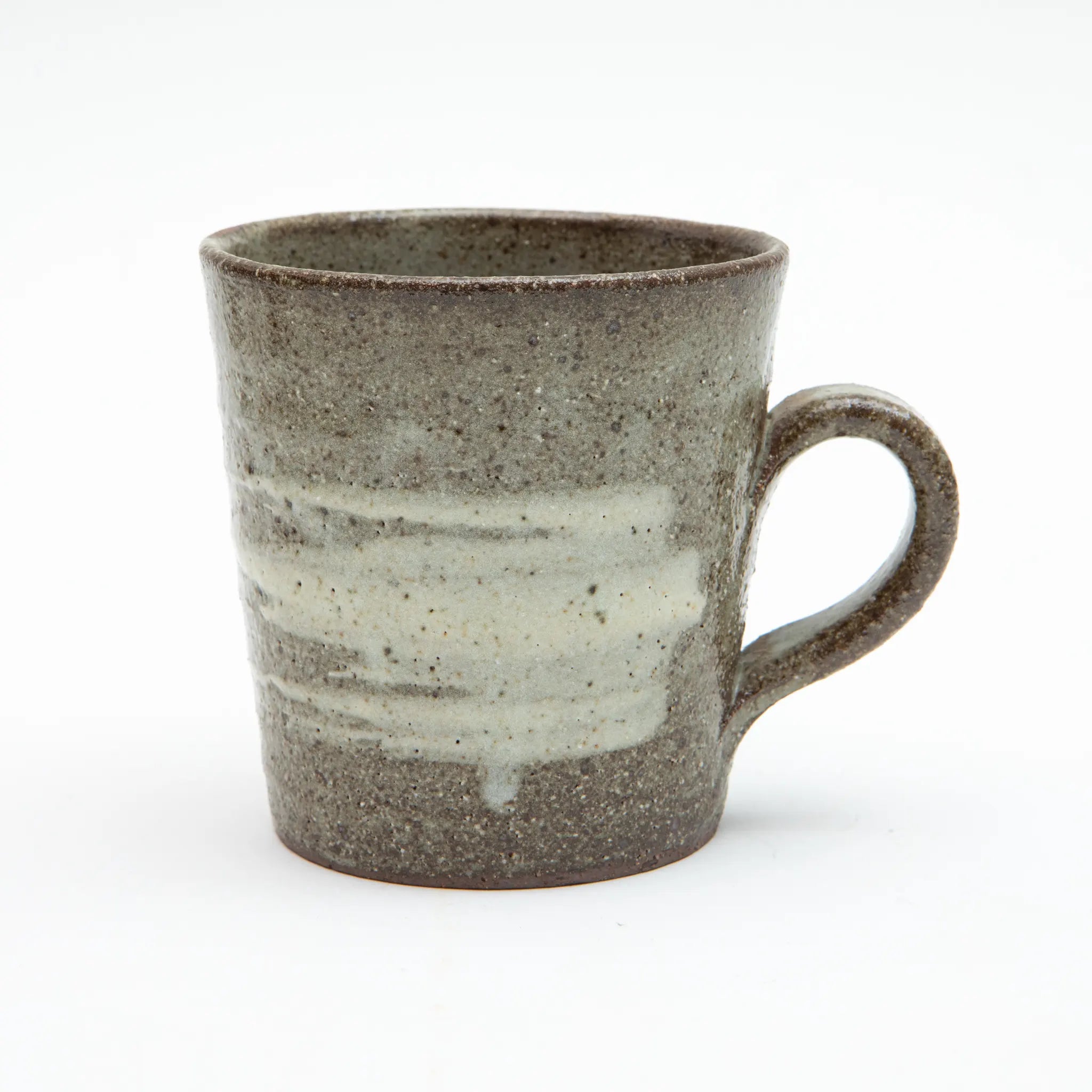
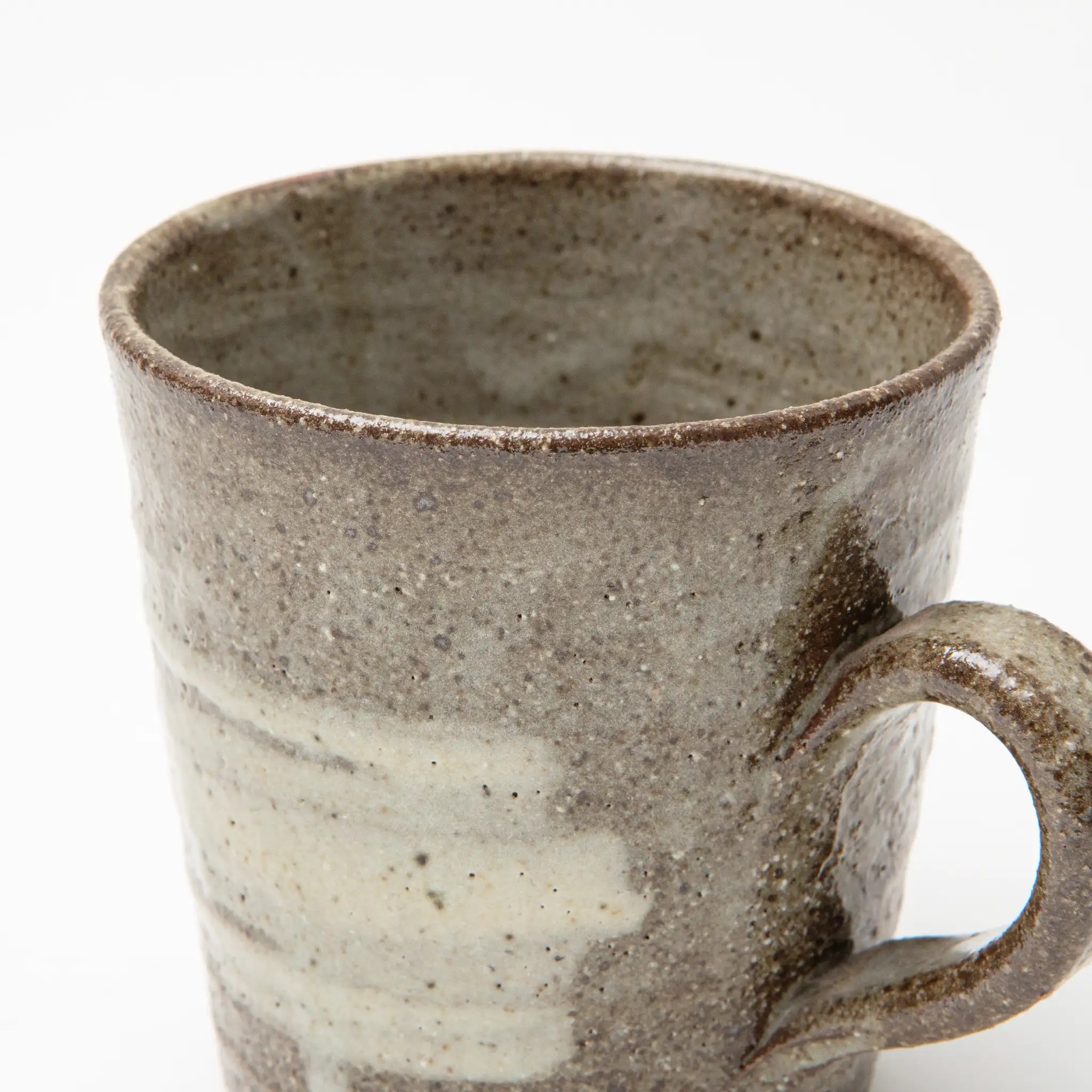
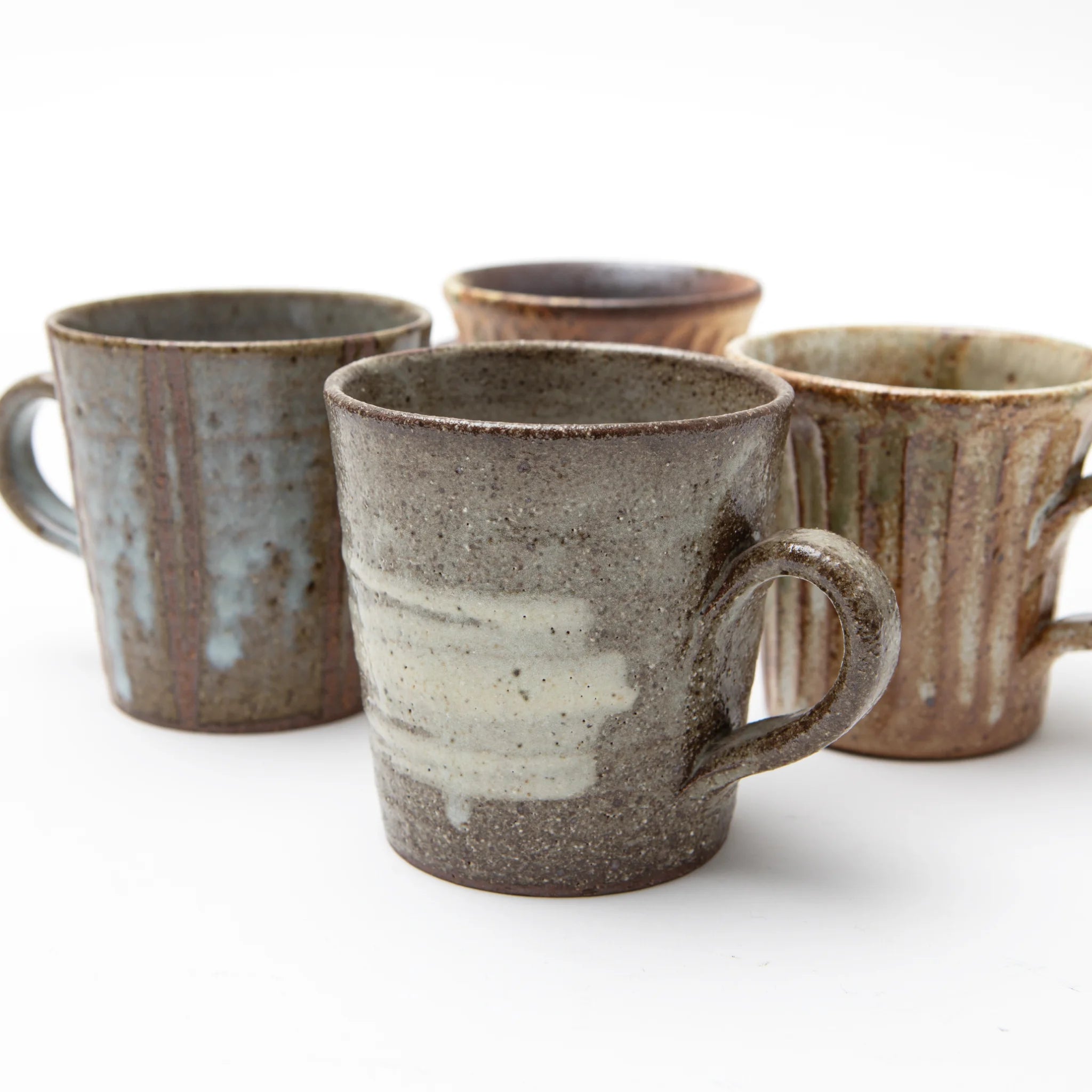
Shigaraki Ware Large Mug Ash Hakeme

Sale price$59.00

Made at Hinomigama in the ancient ceramic heartland of Shigaraki, Shiga Prefecture, this large mug draws on one of Japanese pottery's most expressive surface traditions. Hakeme, a technique in which white slip is applied with a coarse brush, leaves deliberate horizontal strokes across the midsection of the mug, their uneven edges and faint drips preserving the rhythm of the potter's hand. The surrounding body is finished in an ash glaze of deep, speckled grey that speaks to Shigaraki's long history of wood-fired ceramics and its coarse, mineral-rich clay. Recognized among Japan's six ancient kilns, Shigaraki ware is valued precisely for this tension between control and natural variation. The tapered silhouette and hand-formed handle complete a form that is both rooted in heritage and suited to daily use.

Meet the Artisan

Hinomigama

Hinomigama was established in September 1988 in Shigarakicho-Eda, Koka City, Shiga Prefecture, situated within the living heart of one of Japan's oldest and most storied pottery regions. Founded by Fujito Matsuo, the kiln takes its name from the Japanese words for flame and taste, a quiet declaration of the philosophy that guides every piece made here: that fire is not merely a process, but a presence that leaves its mark on the clay and, by extension, on the life of those who use it.

Working within the Shigaraki tradition, Hinomigama produces tableware shaped and fired entirely by hand. Each piece is formed from the region's characteristically coarse, feldspar-rich clay and wood-fired in the Shigaraki manner, meaning natural ash glazes, hi-iro blush, and subtle flame markings emerge through the kiln's own atmosphere rather than through applied decoration. The result is vessels that carry the unmistakable depth and irregularity that Shigaraki has been celebrated for across centuries.

Hinomigama's work is grounded in a considered conviction: that the finest tableware is not reserved for ceremony, but belongs on the everyday table, enriching the quiet rituals of sharing a meal with the same integrity of craft that has defined this region for over a millennium.