Skip to content

Cart

Your cart is empty

Hagi Ware Matcha Bowl Daido Sand Clay Biwa Glaze

Sale price$209.00

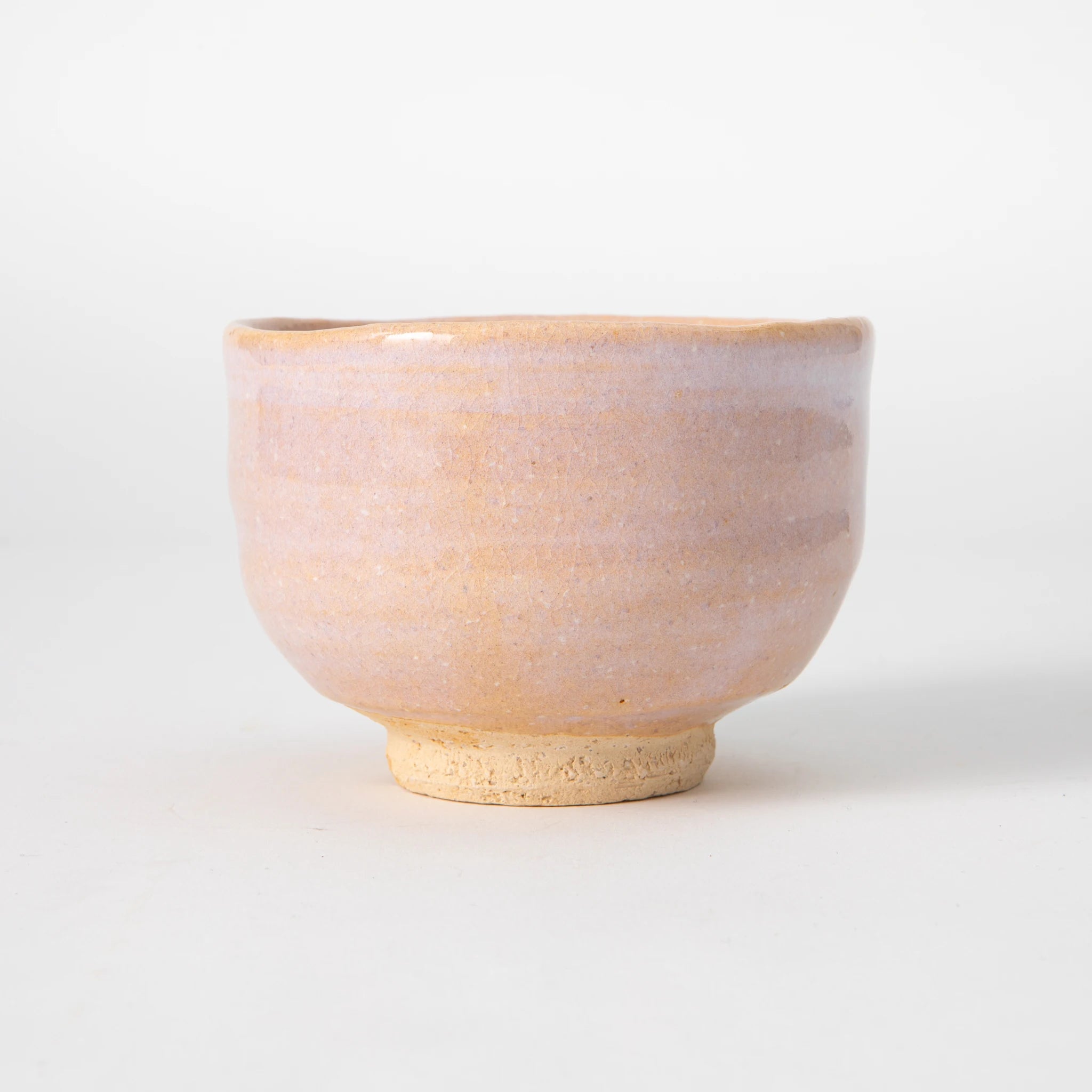
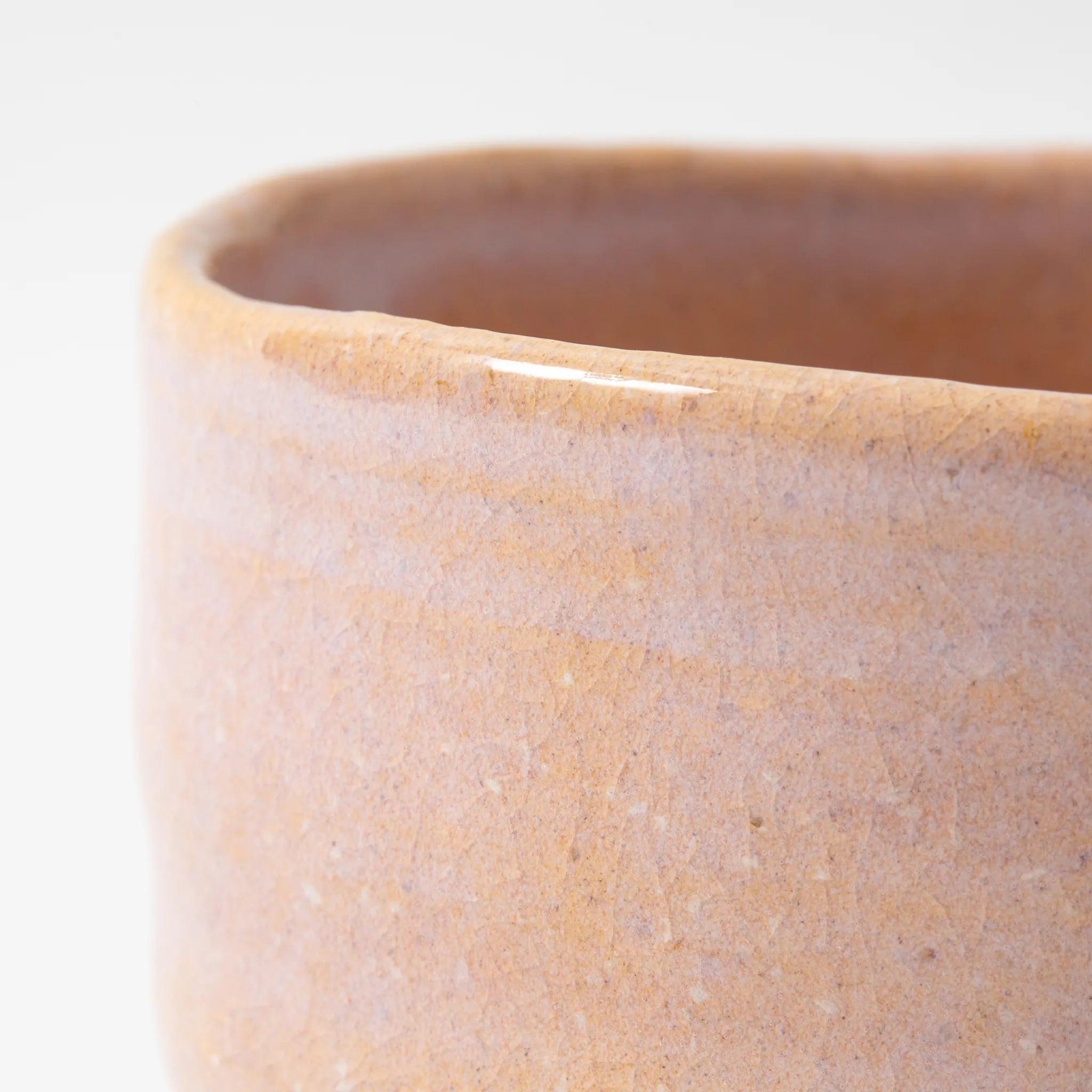
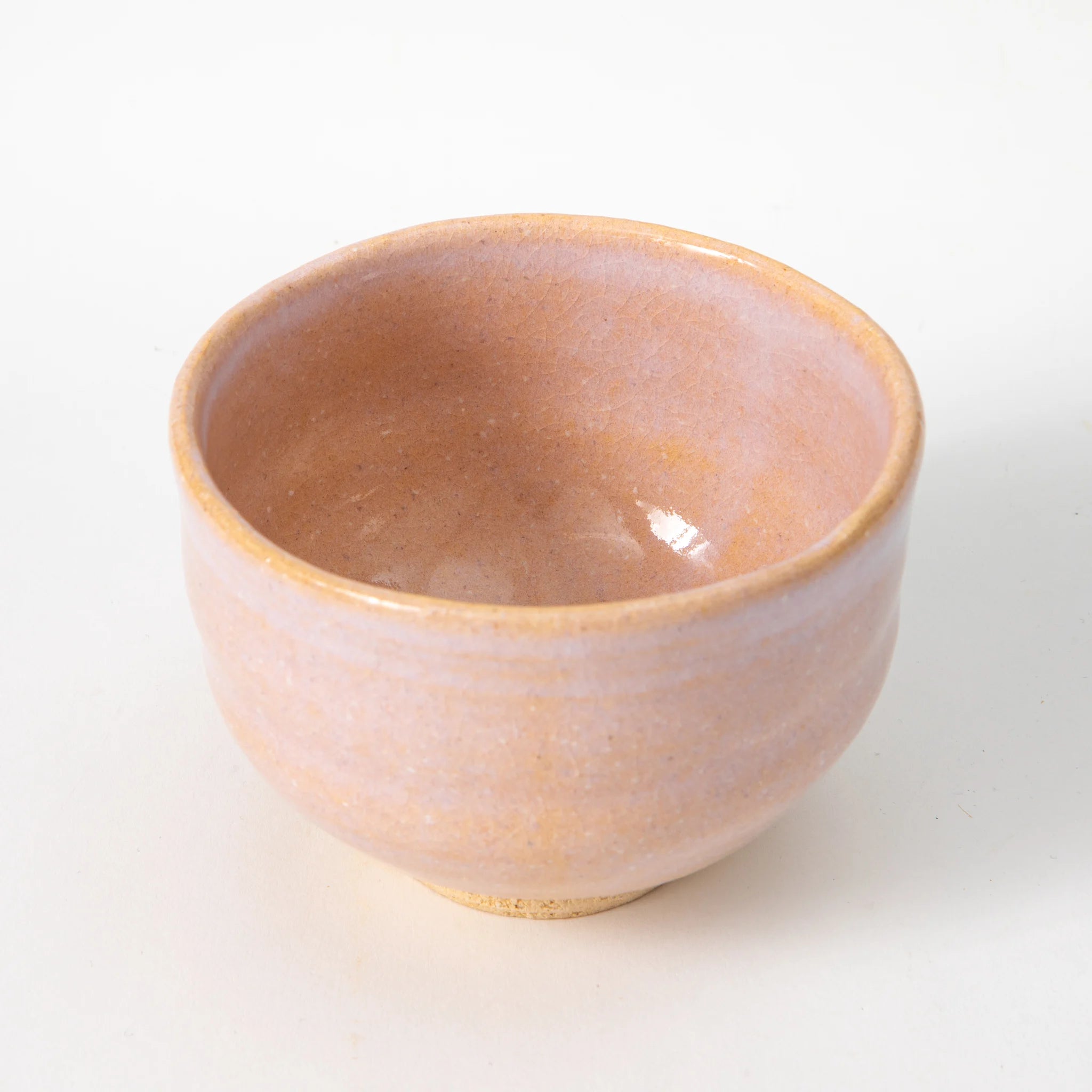
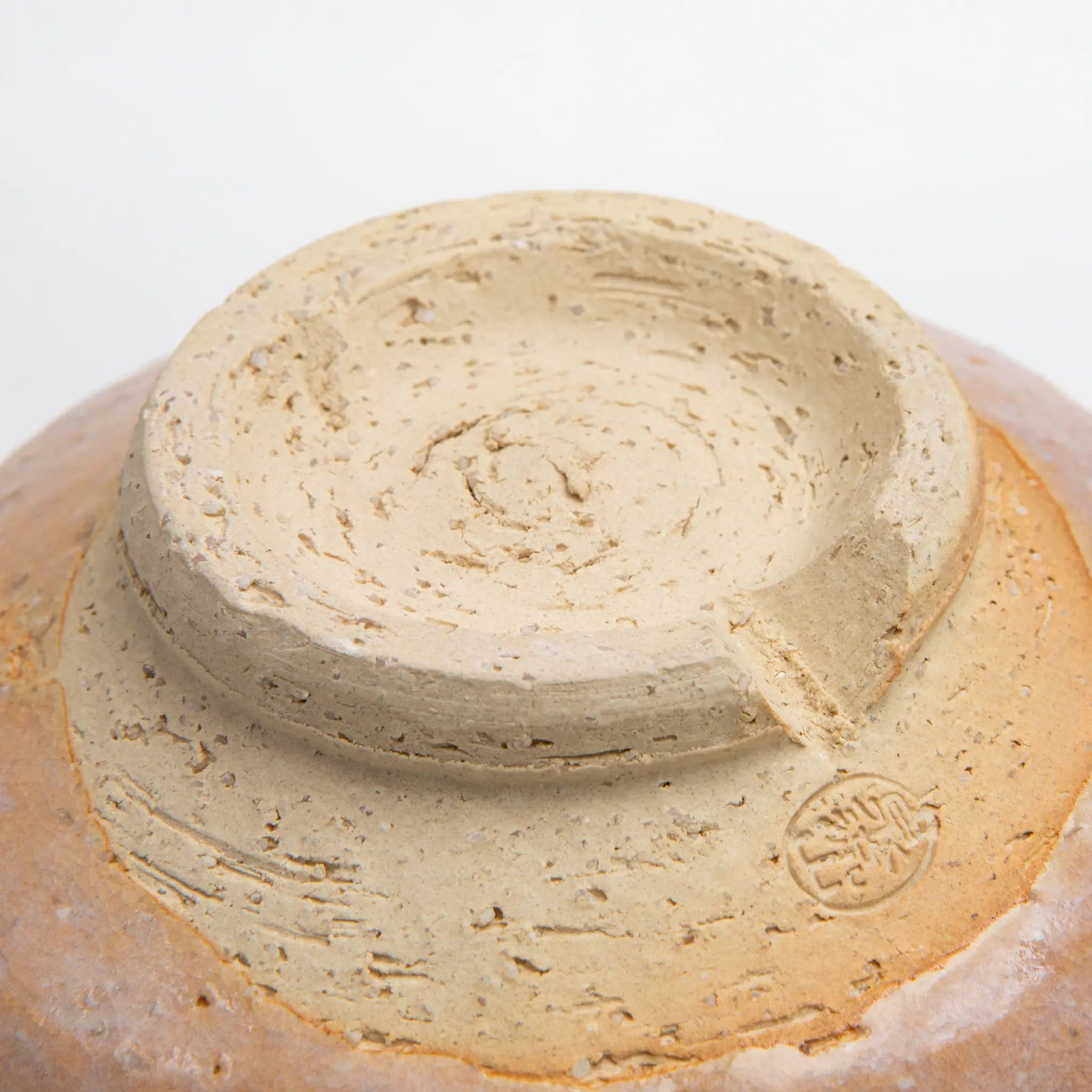
Hagi ware has occupied a singular place in Japanese tea culture for over 400 years, long favored by tea masters for the way its porous clay body absorbs the tannins of matcha and deepens in character with every use. This chawan by Senryuzan is formed from daido sand clay, a coarse, warm-bodied clay native to the Hagi region of Yamaguchi Prefecture, and finished in a biwa glaze whose soft blush tone sits somewhere between pale rose and the inner flesh of a loquat fruit. The glaze disperses unevenly across the surface, more concentrated at the rim and fading toward the lower body where the raw clay asserts its own sandy warmth. The foot is left entirely unglazed, as is traditional in Hagi ware, exposing the full texture and color of the clay beneath. Wide and gently curved, the bowl invites the kind of slow, attentive use that the tea ceremony was always designed to cultivate.

A Hagi ware matcha bowl by Senryuzan in daido sand clay with a soft blush biwa glaze fading toward the lower body, an unglazed sandy foot ring, and a wide gently curved form, photographed against a white background.
Hagi Ware Matcha Bowl Daido Sand Clay Biwa Glaze Sale price$209.00

Meet the Artisan

Senryuzan

Senryuzan was founded in 1826 in Hagi, Yamaguchi Prefecture, during the late Edo period, making it one of the older continuously operating kilns in the city. The kiln belongs to the Yoshika family, whose lineage at Senryuzan spans multiple generations. A pivotal figure in the kiln's modern identity was Yoshika Taibi, who trained at the Tokyo College of Arts and brought a considered artistic sensibility to the craft, earning national recognition for work that bridged the disciplined traditions of Hagi ware with the vision of a trained ceramic artist. His pieces, ranging from everyday vessels to Ido-style tea bowls, drew both collectors and connoisseurs.

Today, Senryuzan continues to fire using a traditional wood-burning climbing kiln with multiple chambers built on a hillside, a method that produces results as unpredictable as they are irreplaceable. Each firing carries the risk of loss and the possibility of something extraordinary. The kiln also houses a dedicated museum where historically significant pieces are preserved alongside the living practice of the workshop, and welcomes visitors to experience the craft firsthand through hands-on pottery sessions. In honoring both the heritage of Hagi ware and the pursuit of its finest expression, Senryuzan remains one of the most respected names in a city whose identity is inseparable from its clay.