Skip to content

Cart

Your cart is empty

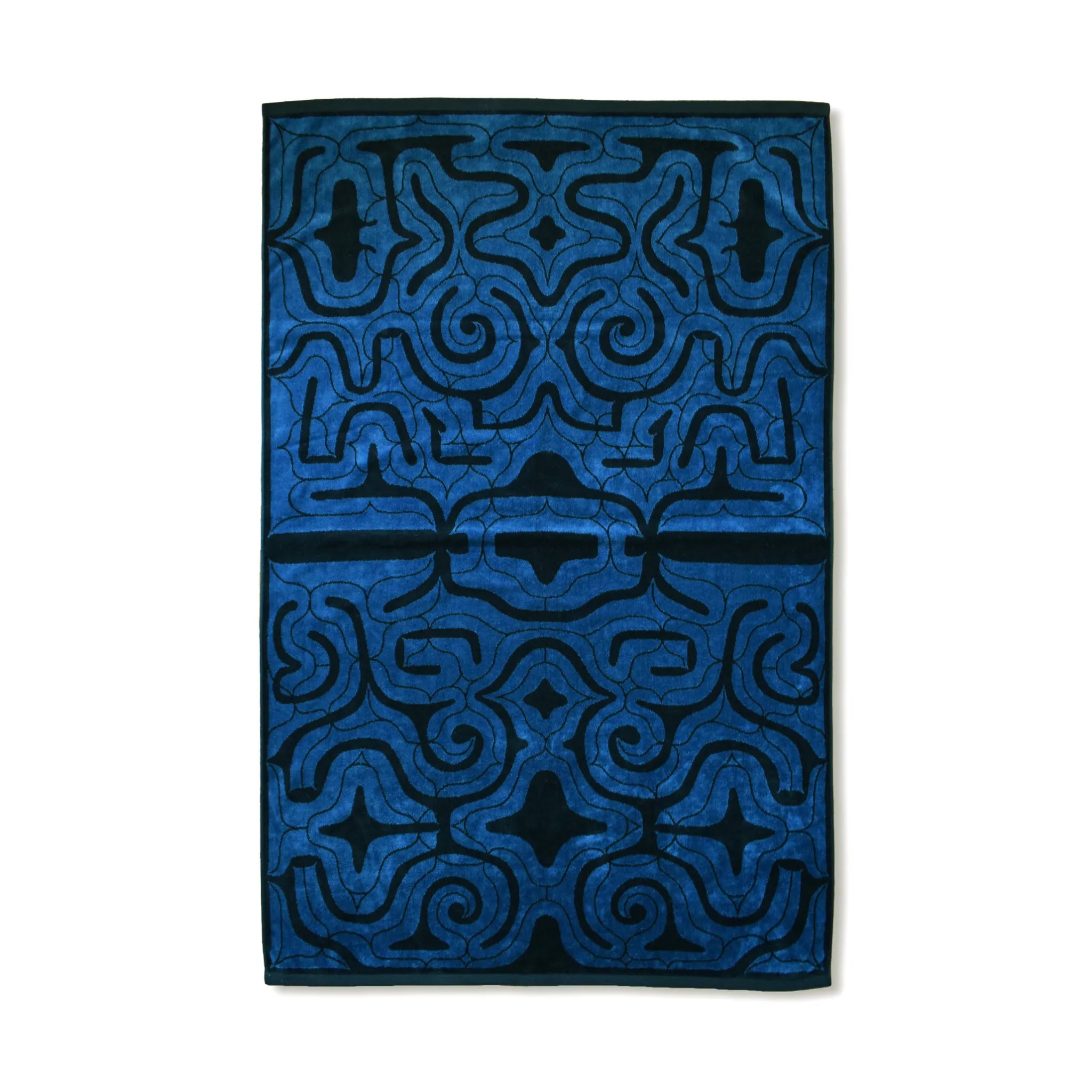
Ainu Pattern Imabari Towel Blanket kaparamip Blue and Navy

Sale price$250.00

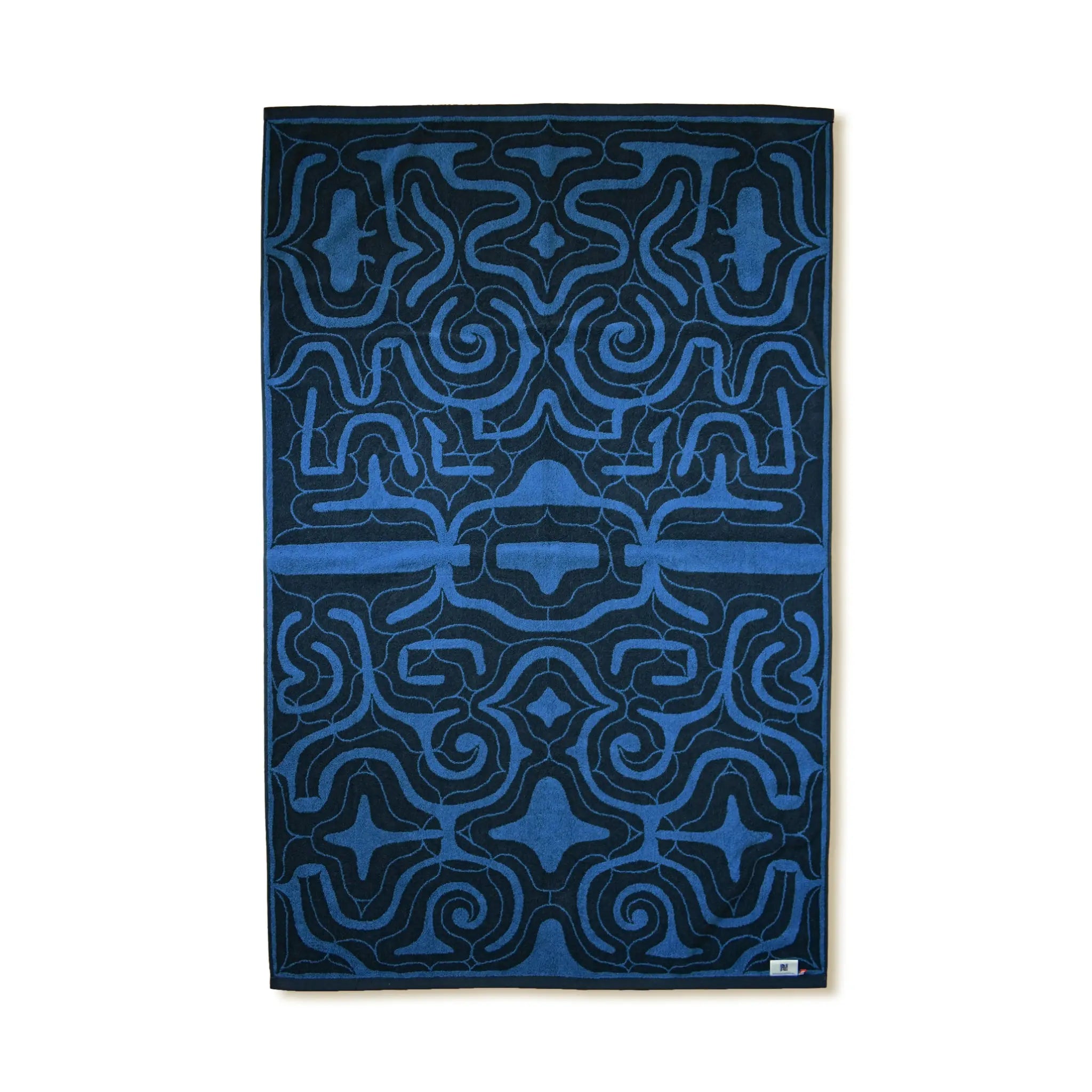
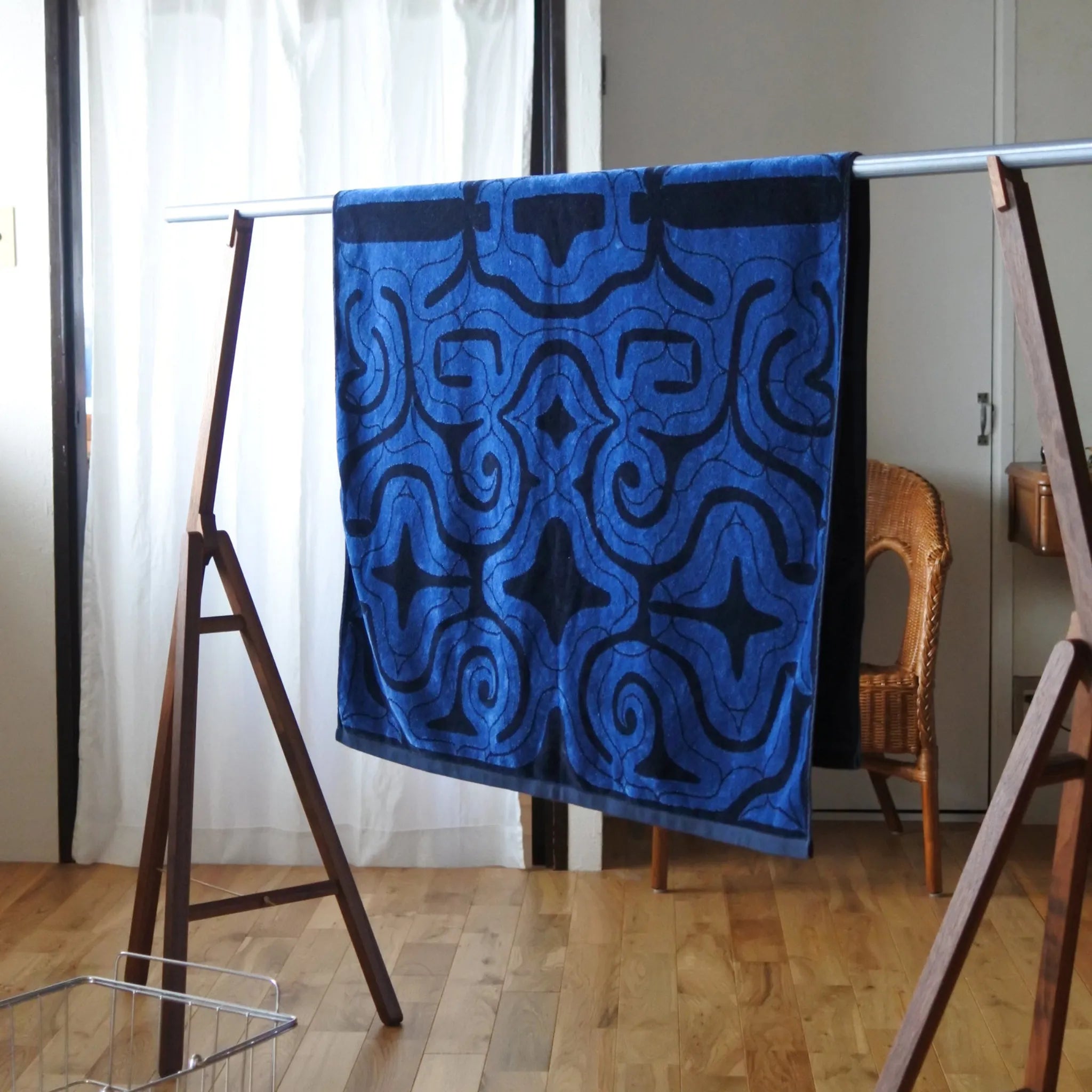
Nibutani, a village in Biratori Town on Hokkaido, is the center of living Ainu craft tradition in Japan. Kayano Kimihiro founded Nibutani Works there to create sustained work for Ainu artisans and keep the craft's inherited knowledge in active use. The kaparamip patterns that cover this blanket — spiraling morew-noka and thorned ay-us-noka forms — were historically embroidered around the collars, cuffs, and hems of Ainu garments as protection, each line worked as a deliberate act on behalf of the person who would wear it. The blanket is woven in Imabari, Ehime Prefecture, using soft water sourced from the Takanawa mountain range, a water quality that draws out cotton's natural softness and allows precise, vivid color expression in dyeing. The surface is shearing-finished, the pile cut to produce a smooth, close texture against the skin. Only textiles that pass Imabari's independent inspection carry the certified Imabari Towel mark. This blanket carries it.

Front view of the Nibutani Works Ainu pattern Imabari towel blanket in blue and navy, showing a symmetrical kaparamip pattern of morew-noka spirals and ay-us-noka thorn forms across the full surface with a dark navy border.
Ainu Pattern Imabari Towel Blanket kaparamip Blue and Navy Sale price$250.00
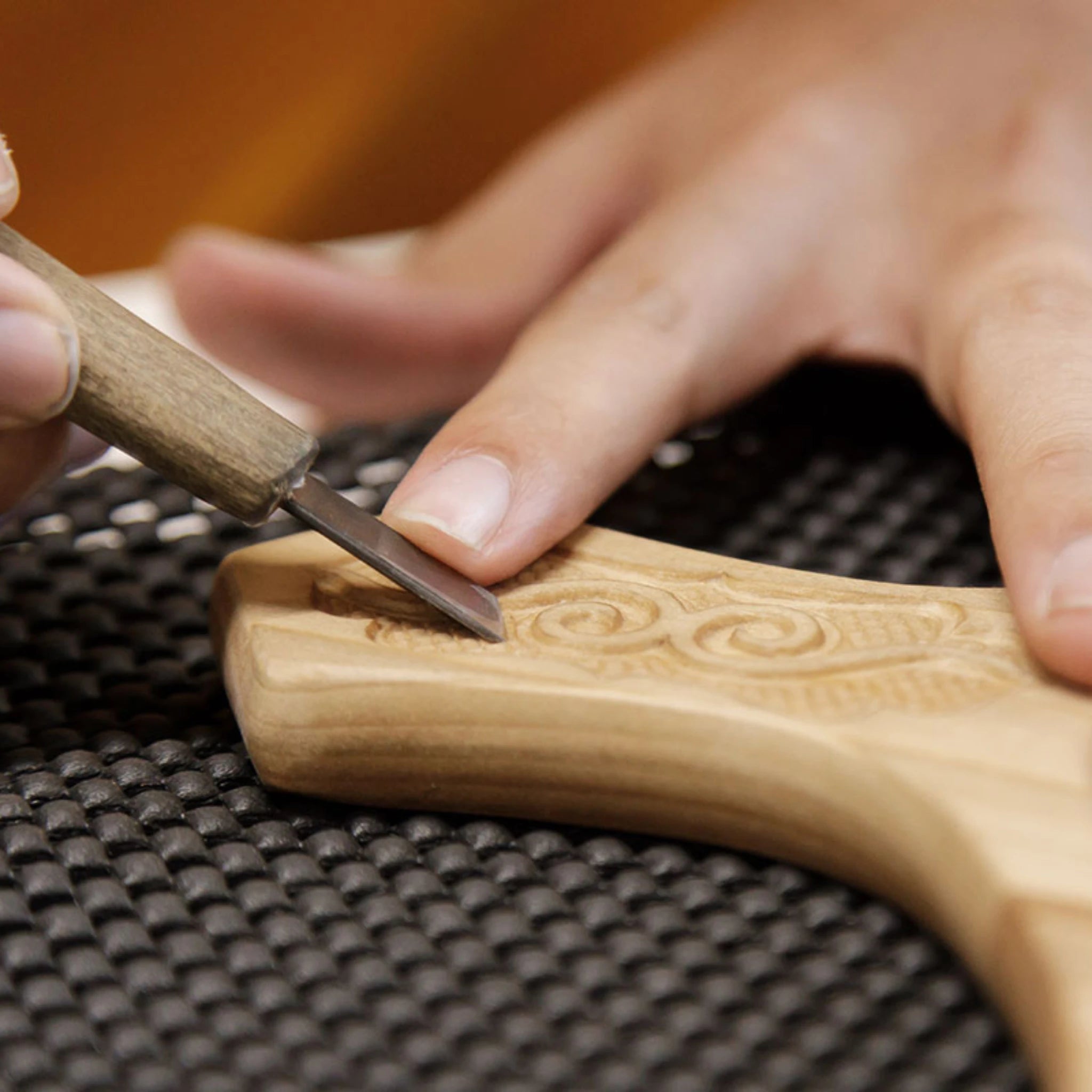
Hand using a small wood carving knife on a wooden object with intricate carvings.

Meet the Artisan

Nibutani Works

Nibutani Works was established in Nibutani, Biratori Town, Hokkaido, formed around a single conviction: that culture is not kept alive by being set aside, but by continuing to be used. In Nibutani, woodcarving, weaving, and the making of everyday objects have never belonged to individual masters alone. They are a community practice, passed from parent to child and from maker to maker across generations, with each person's hand leaving its own character in the line and pattern. That continuity is what Nibutani Works was built to carry forward. In 2013, Nibutani Ita and Nibutani Attus became the first crafts in Hokkaido to receive national traditional craft designation. Nibutani Works draws from the same inherited techniques and sensibility, recomposing them into objects made for daily use rather than display. The company operates two lines: NIBUTANI WORKS, covering blankets and household objects where Ainu pattern meets contemporary living, and ramgu, focused on wood-carved pieces where the presence of the individual maker's hand is most directly felt.