Inside the Japanese Kissaten
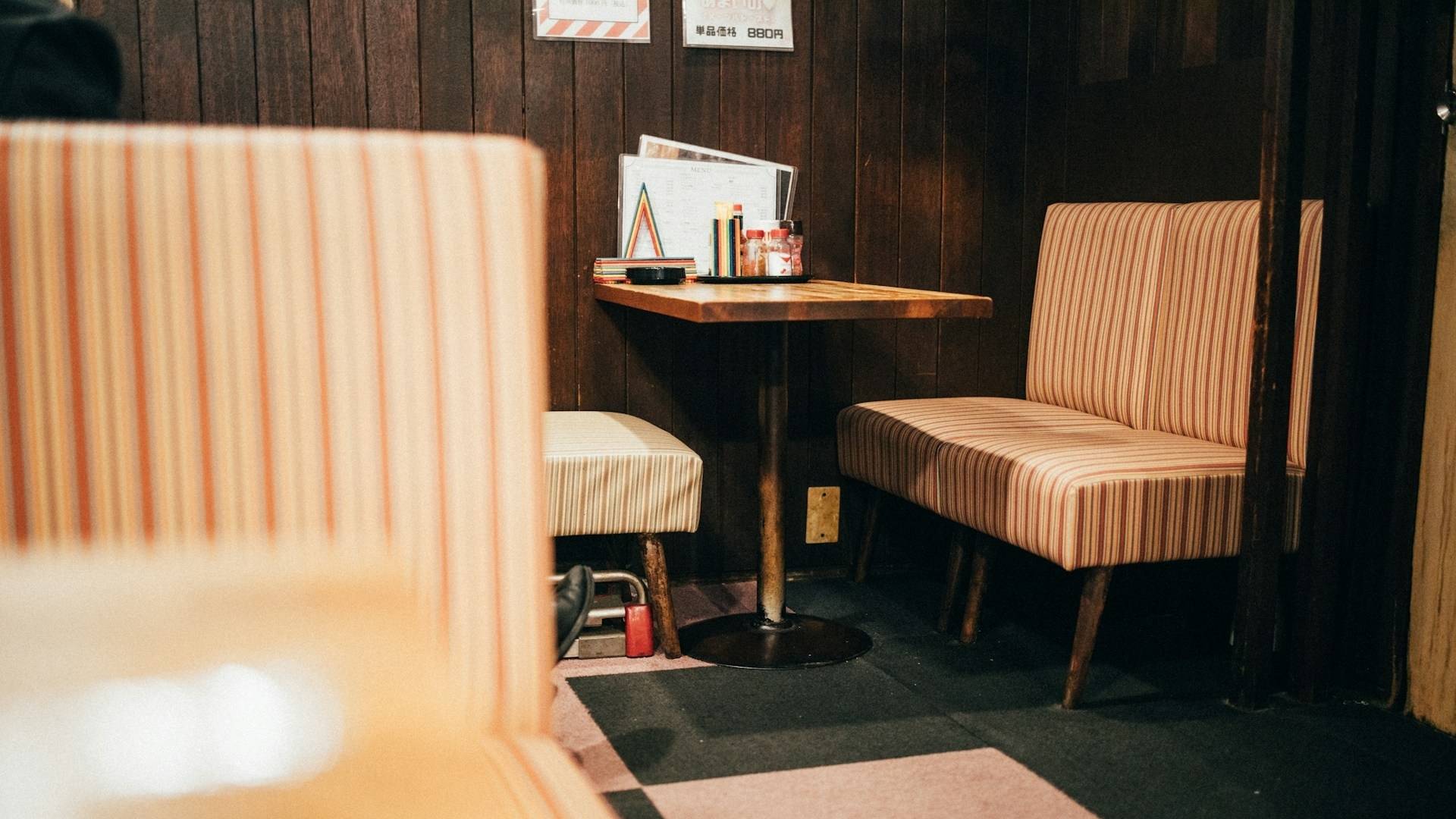
Step away from the main street and into the basement stairwell or a narrow back alley, and the city shifts register. The hum of traffic gives way to vinyl jazz, the rich aroma of dark-roasted beans, and the glow of the warm lights.

Directly translating to “tea-drinking shop,” the kissaten (or kissa) is far more than a simple place to grab a quick coffee. It emerged in the early 20th century as a quiet, sophisticated sanctuary, offering an alternative to the boisterous, alcohol-serving cafes of the era. Drawing inspiration from European literary salons, these establishments became essential third spaces where intellectuals, writers, and students could find uninterrupted time. Today, they stand as living monuments to Japanese Showa retro era nostalgia, places where time seems to move at an entirely different pace.

Behind The Master’s Counter
At the heart of every independent kissaten is the Master, the proprietor of the establishment. They approach coffee not as a quick transaction, but as a lifelong discipline. Here, there are often no drip machines or hurried to-go cups. Every order is a deliberate, individual craft, shaped by the master’s quiet focus and deliberate attention to detail.
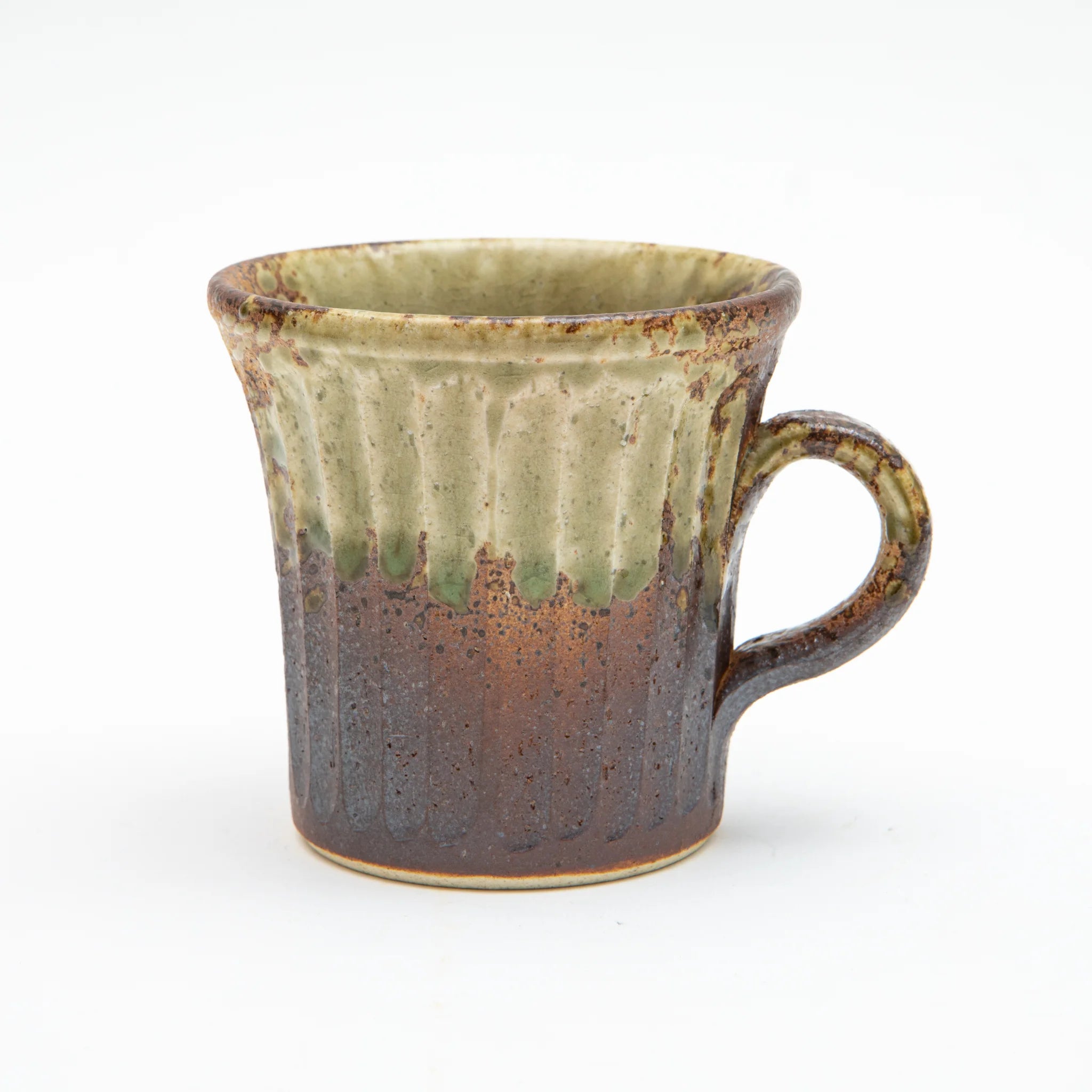
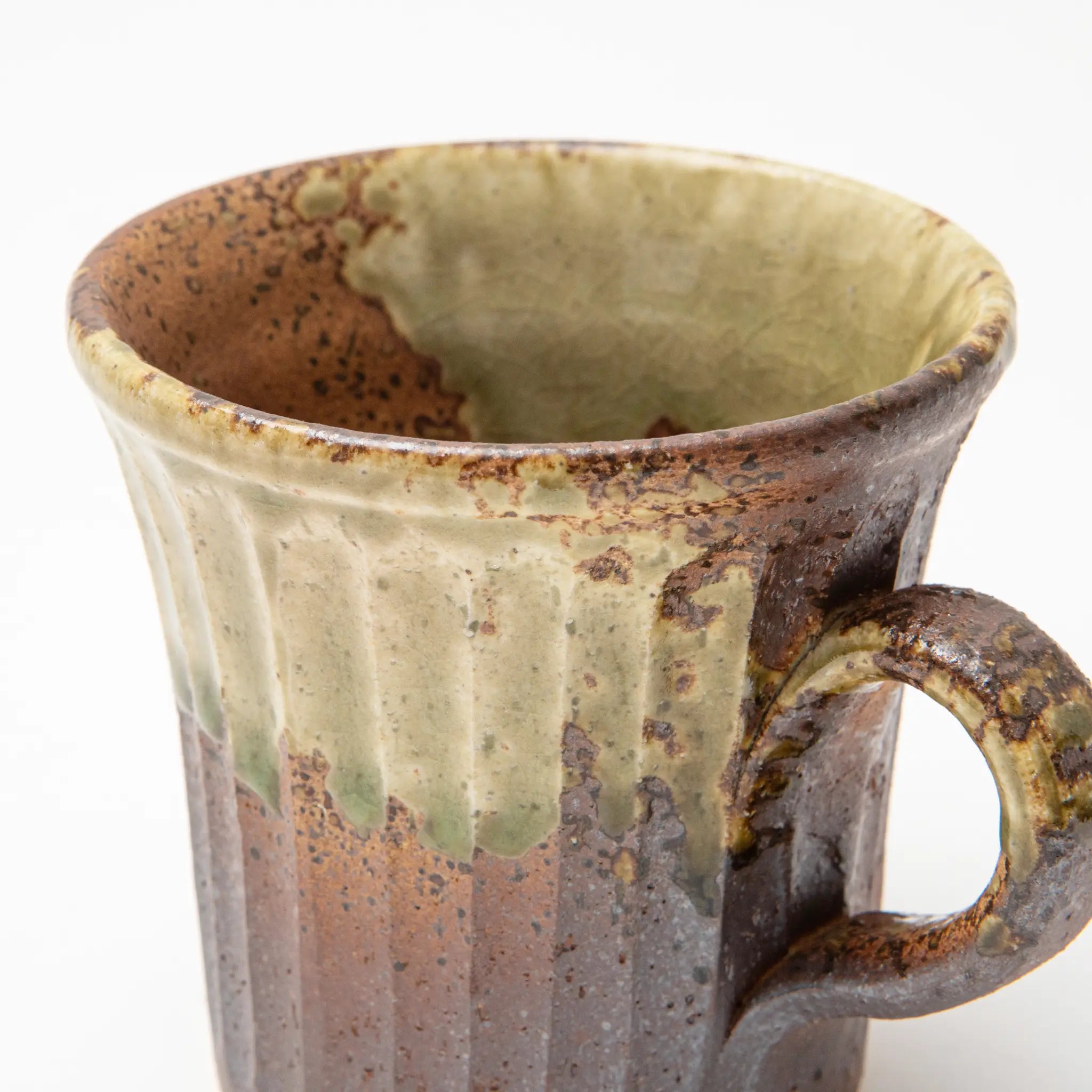
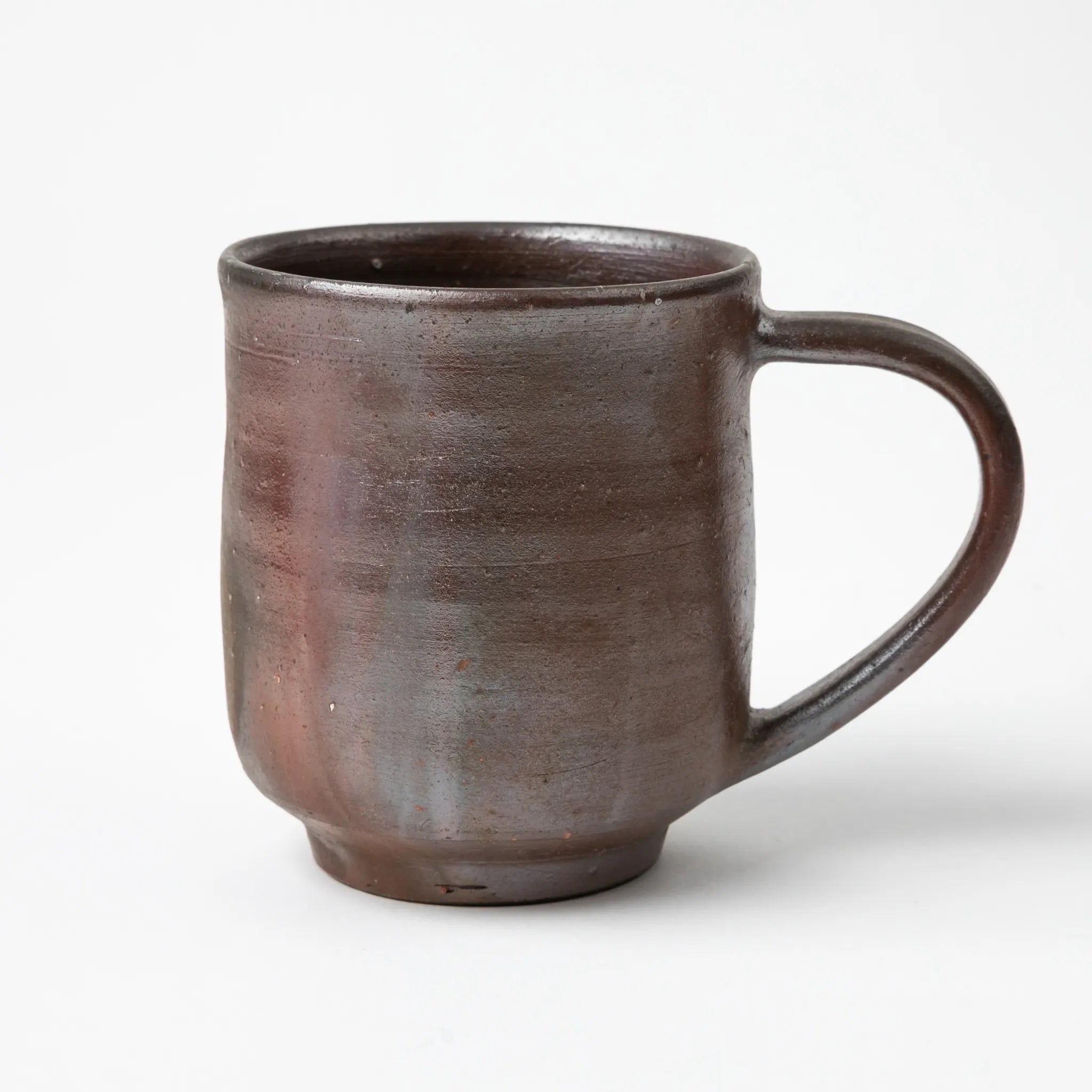
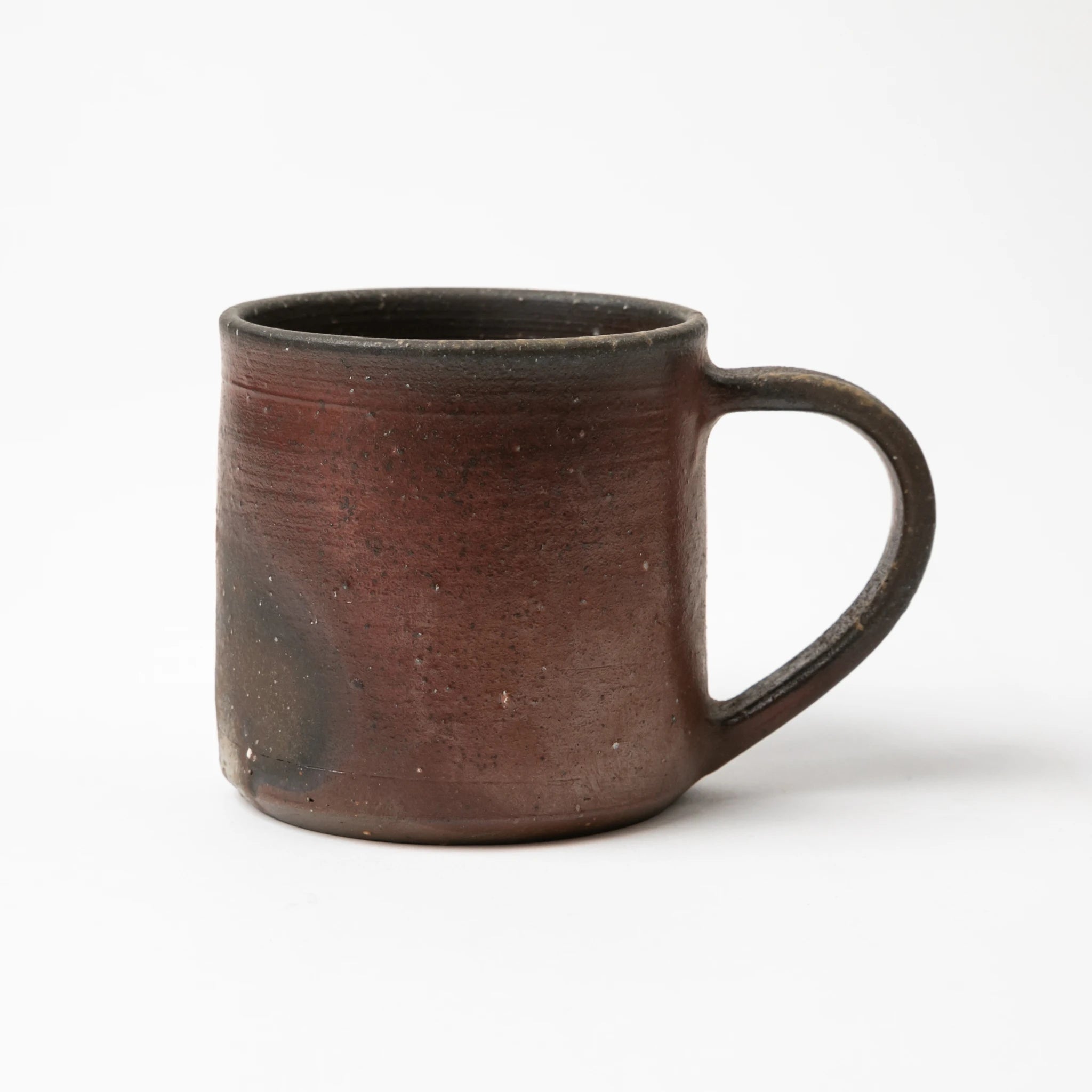
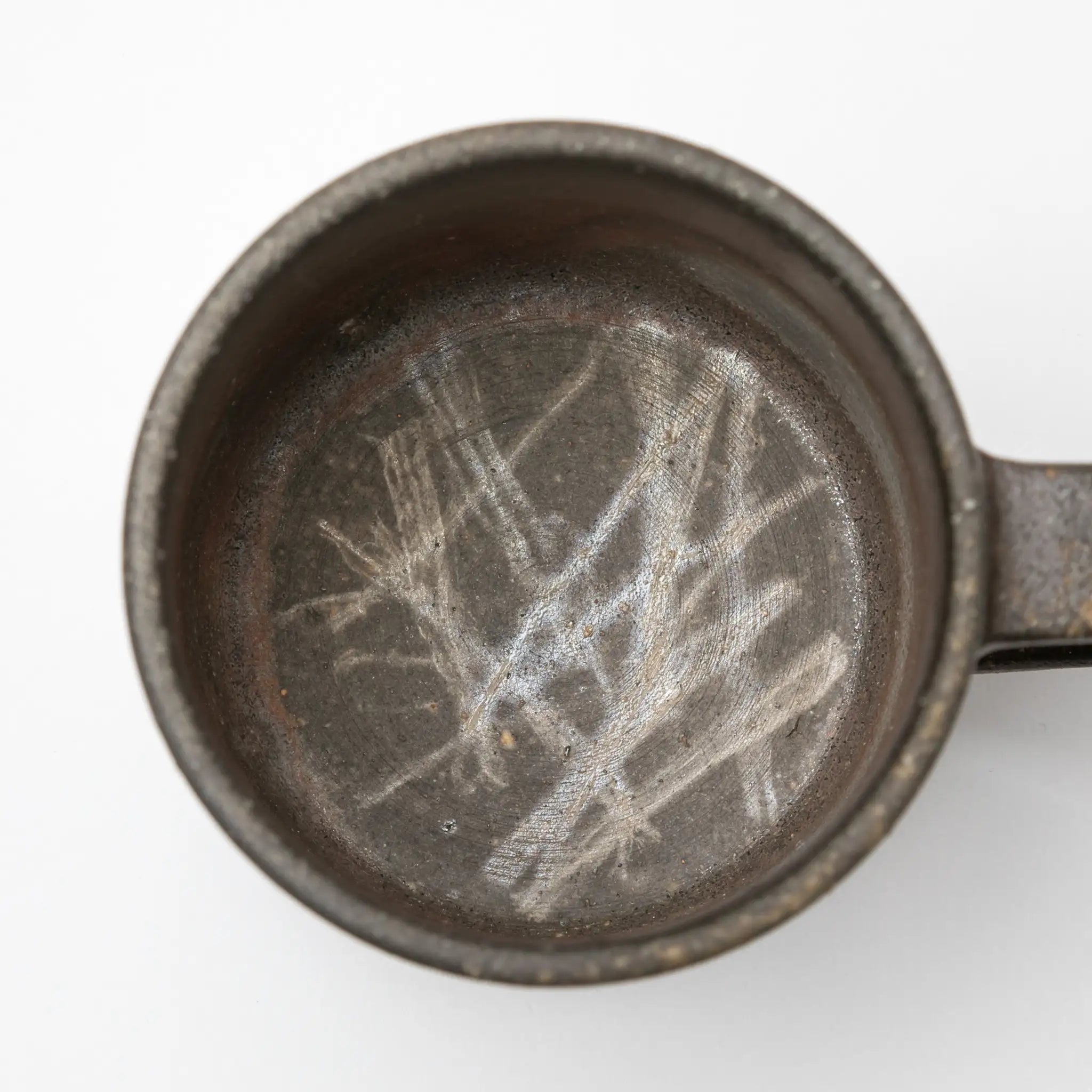
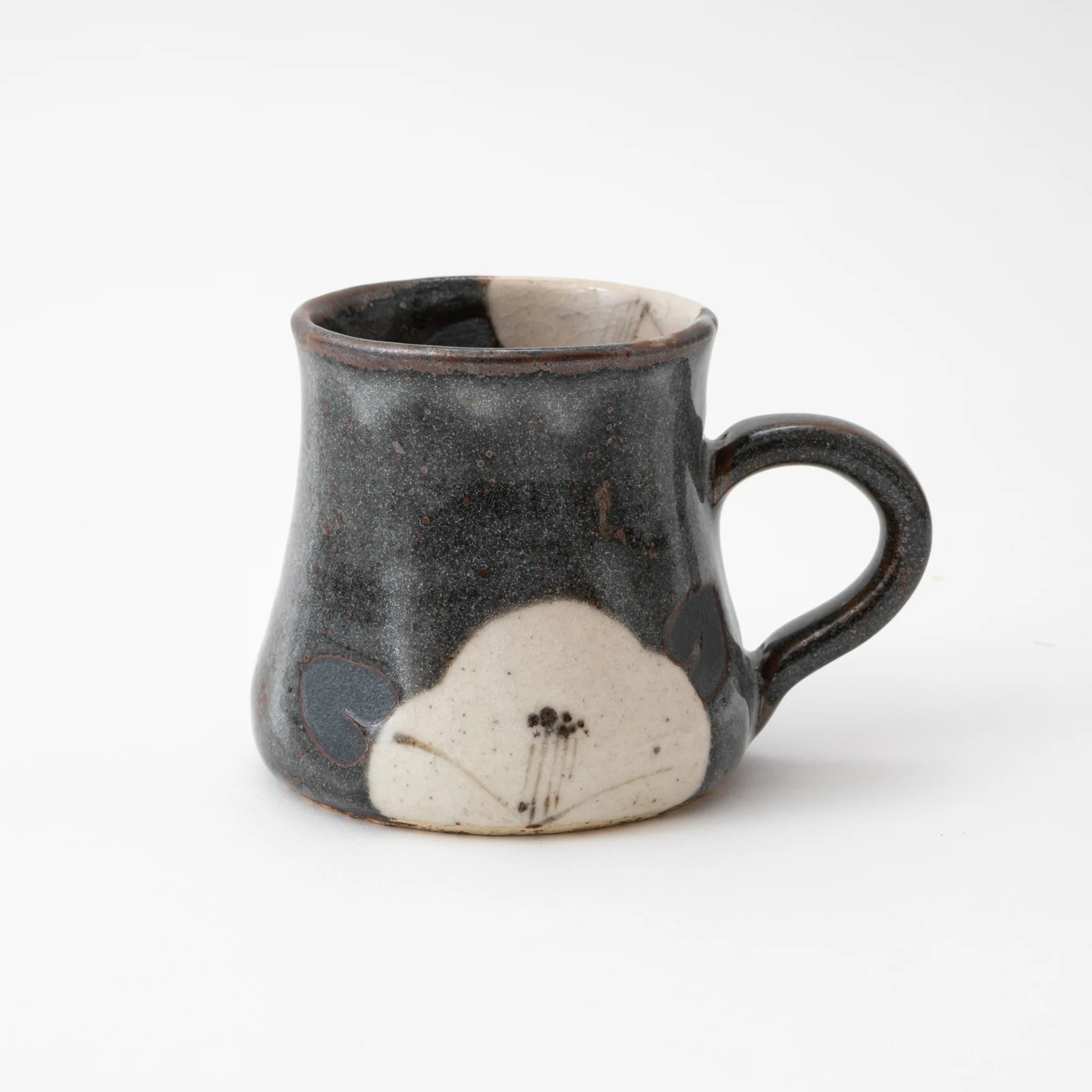
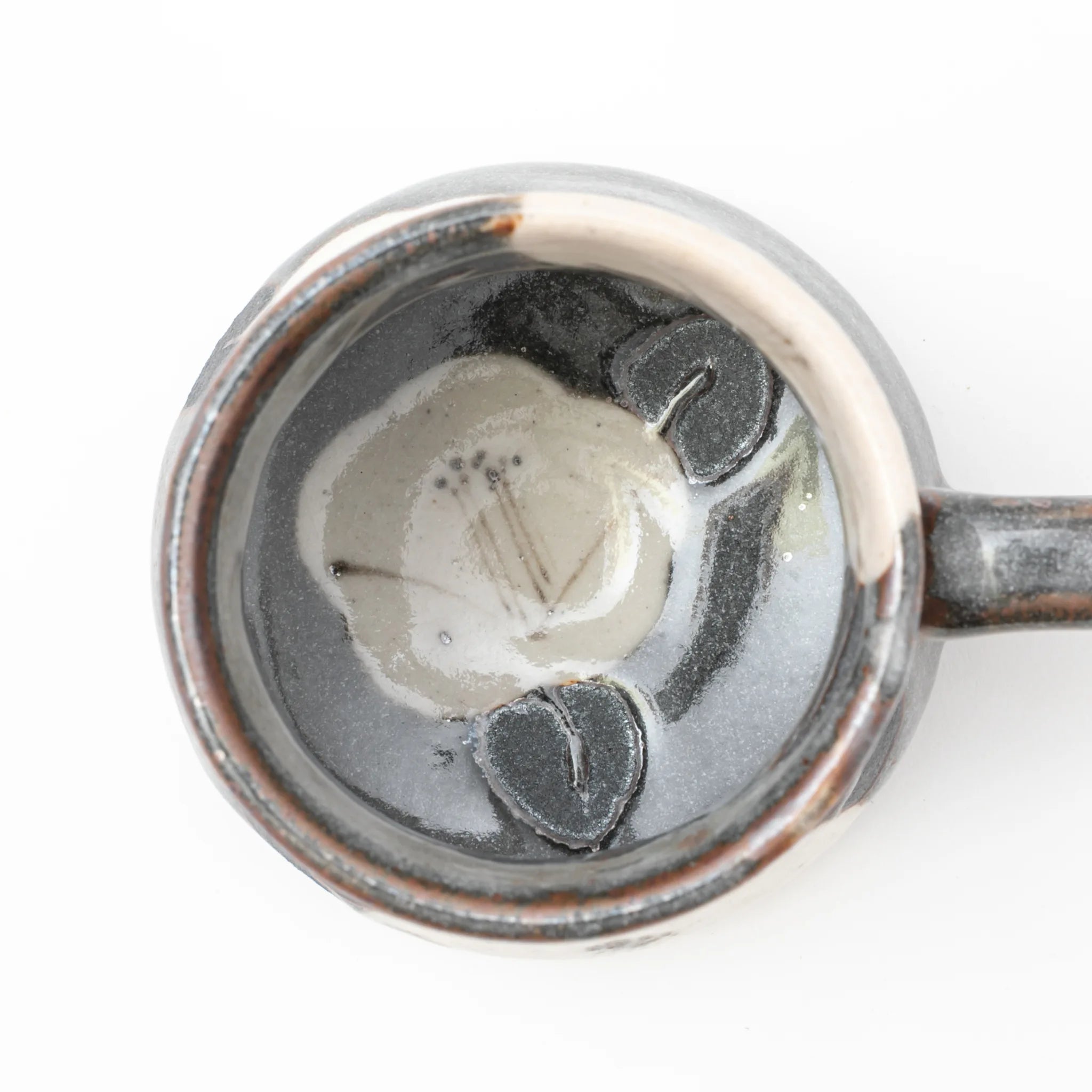
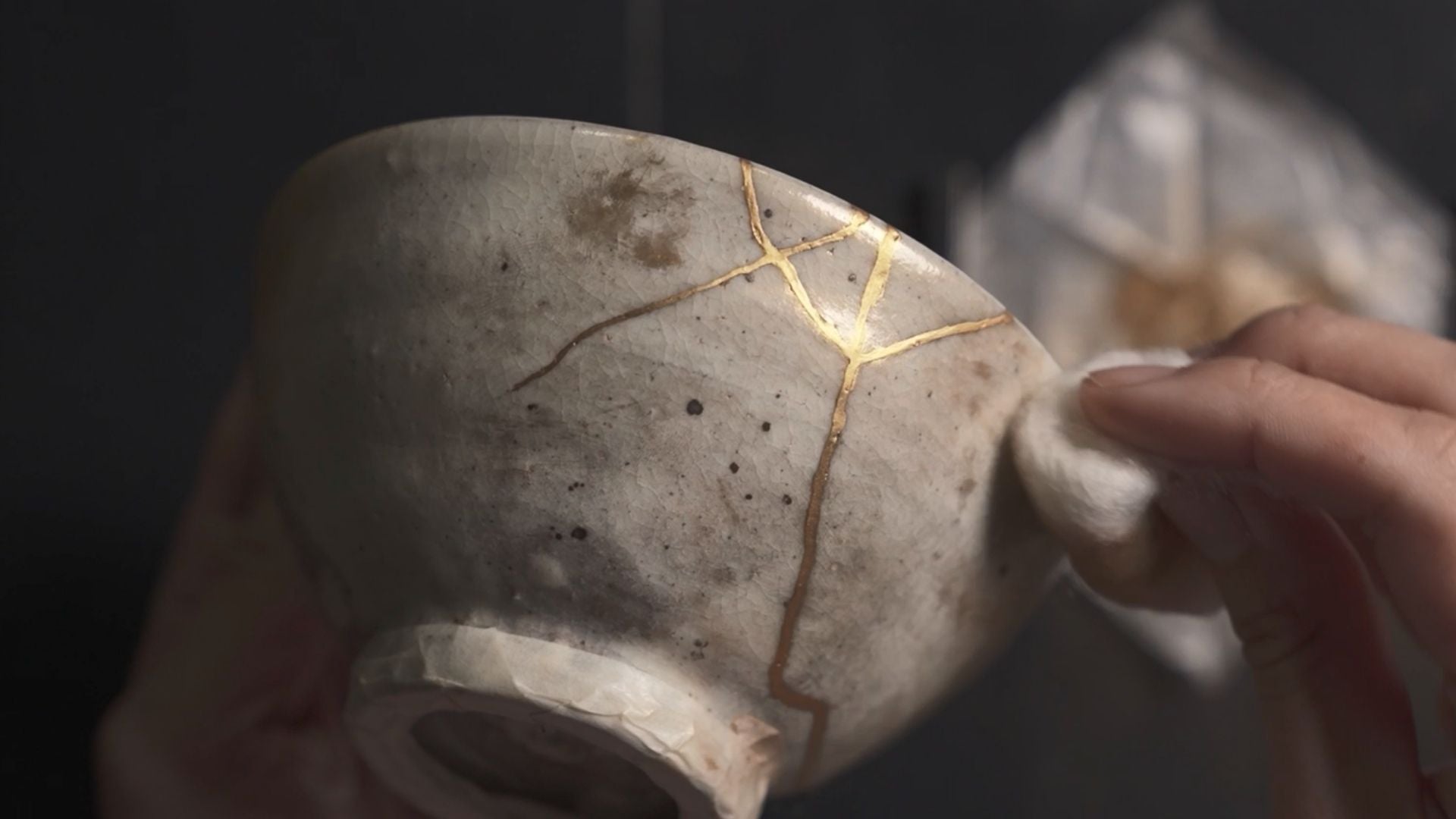
 Shigaraki Ware Mug Charred Shigaraki | Hinomigama
Beans are carefully sorted by hand, ground fresh, and brewed using the pour-over method or the bubbling alchemy of glass siphons. Many masters are also partial to the nel drip, a classic Japanese coffee brewing technique that swaps paper filters for reusable flannel cloth, yielding an exceptionally smooth, velvety, and deeply concentrated cup.
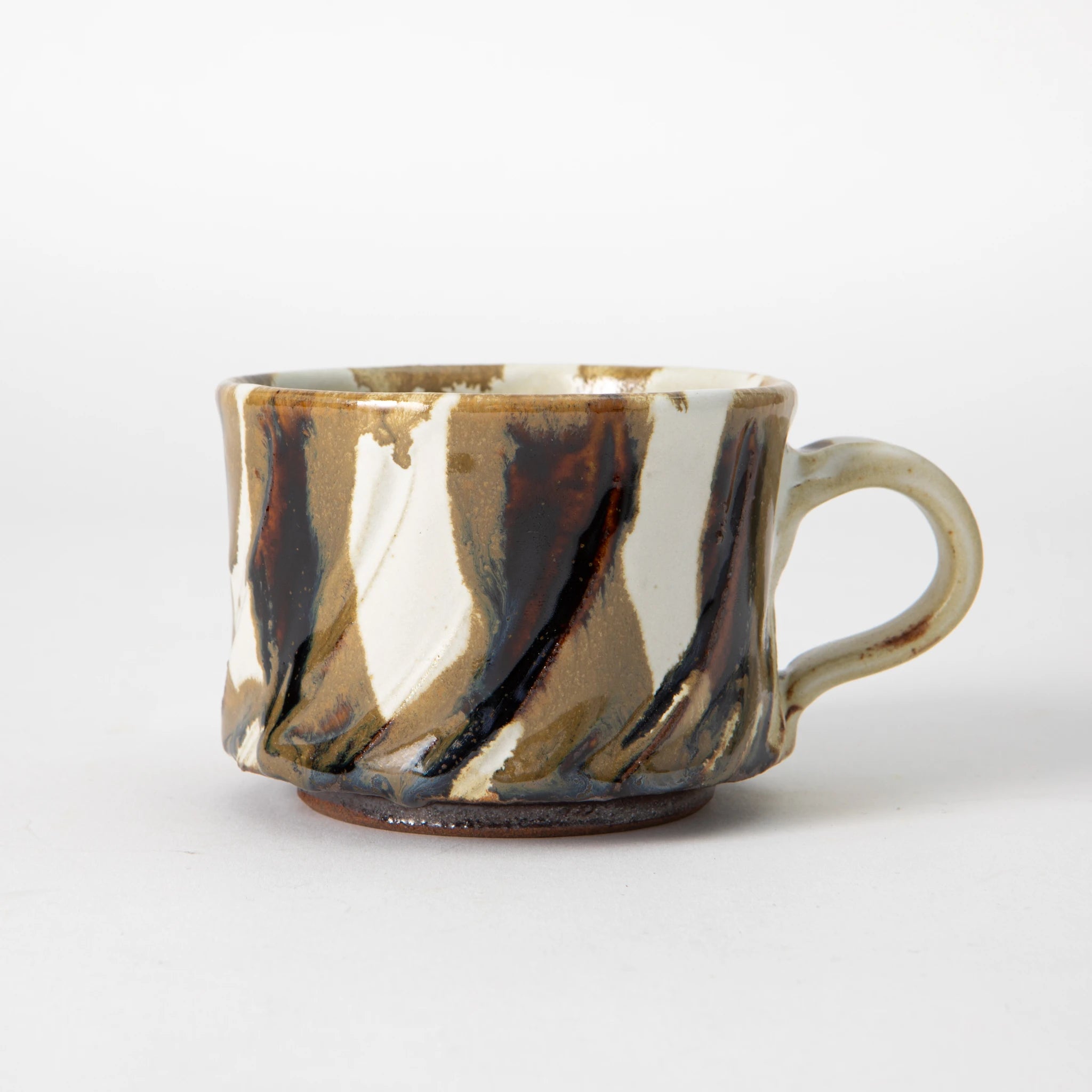
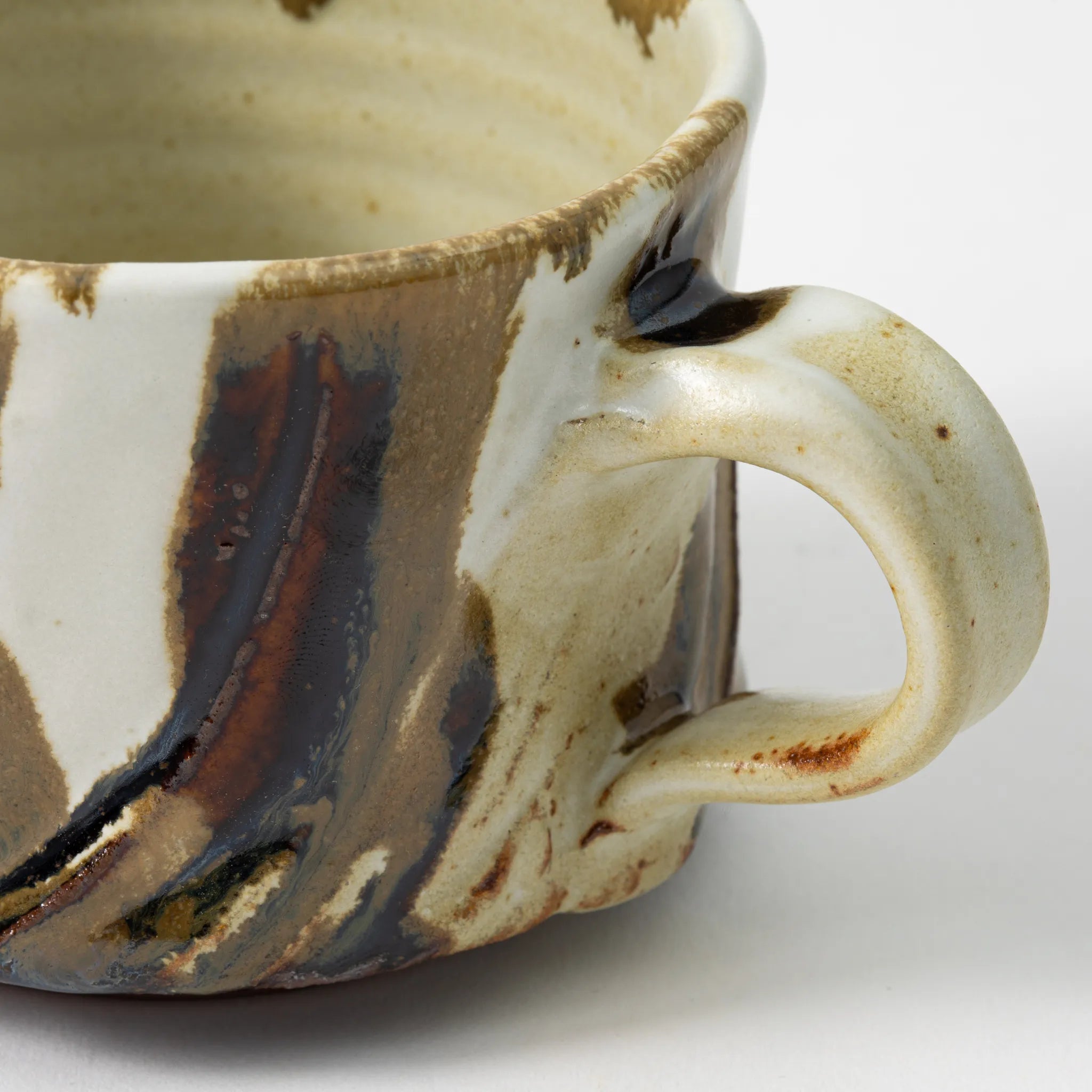
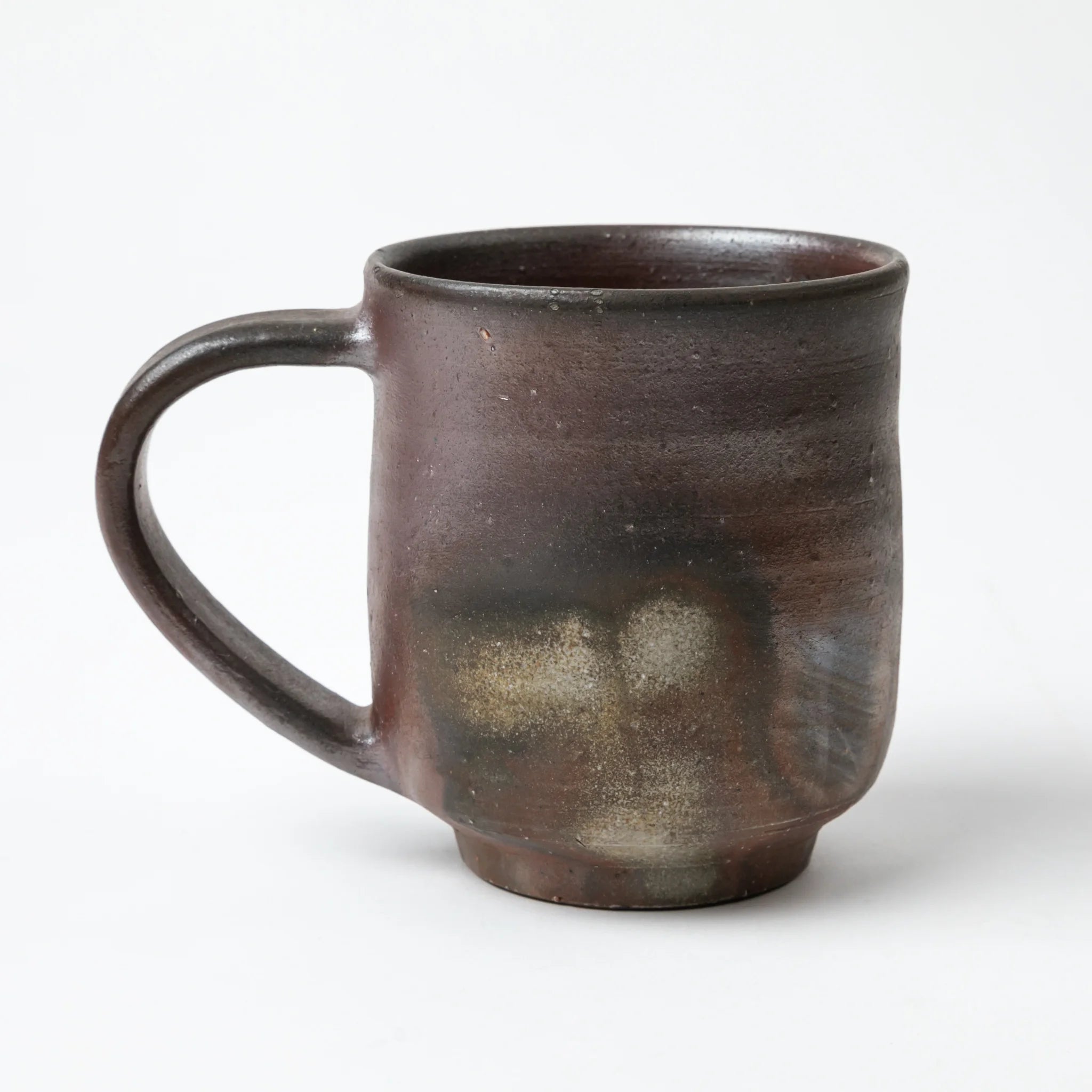
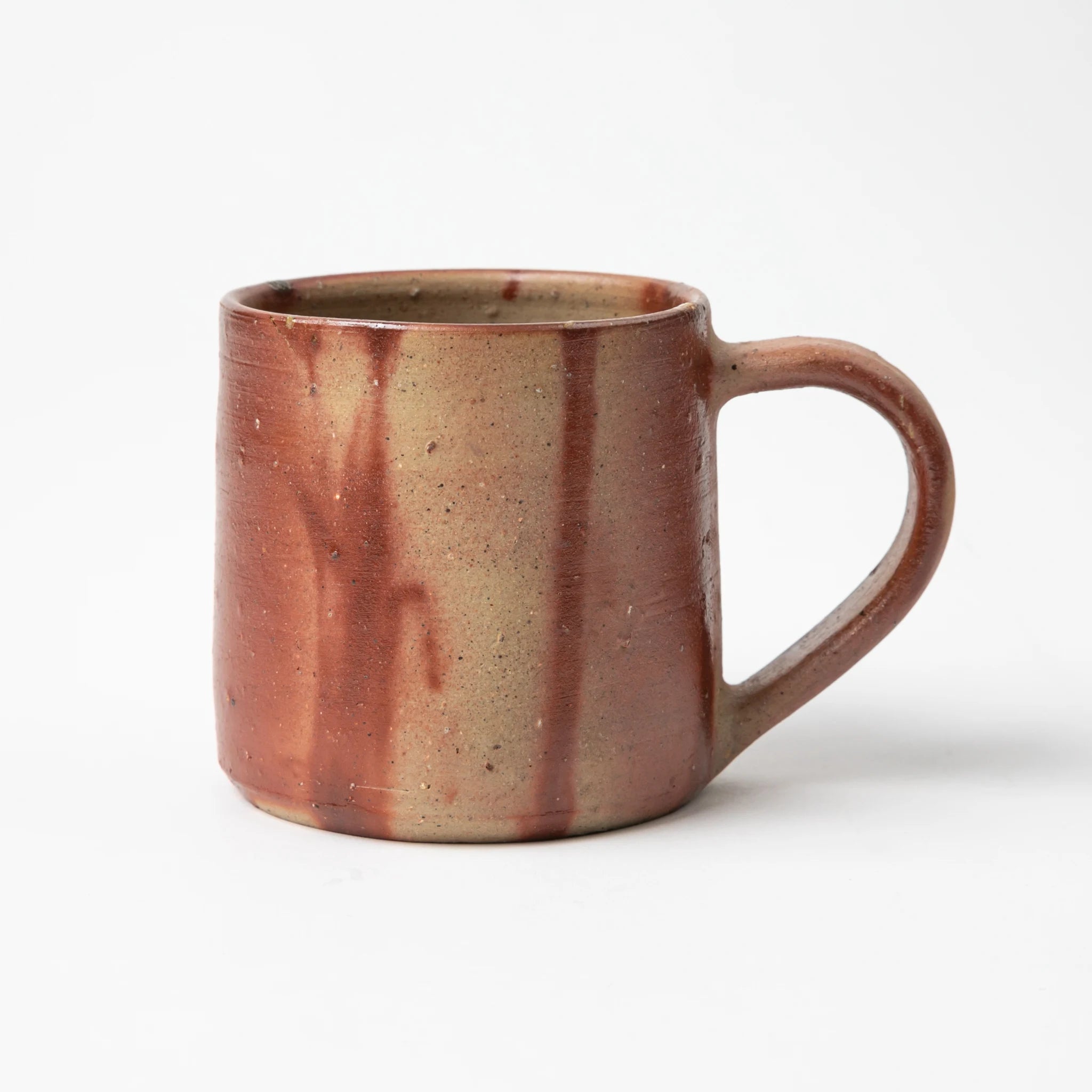
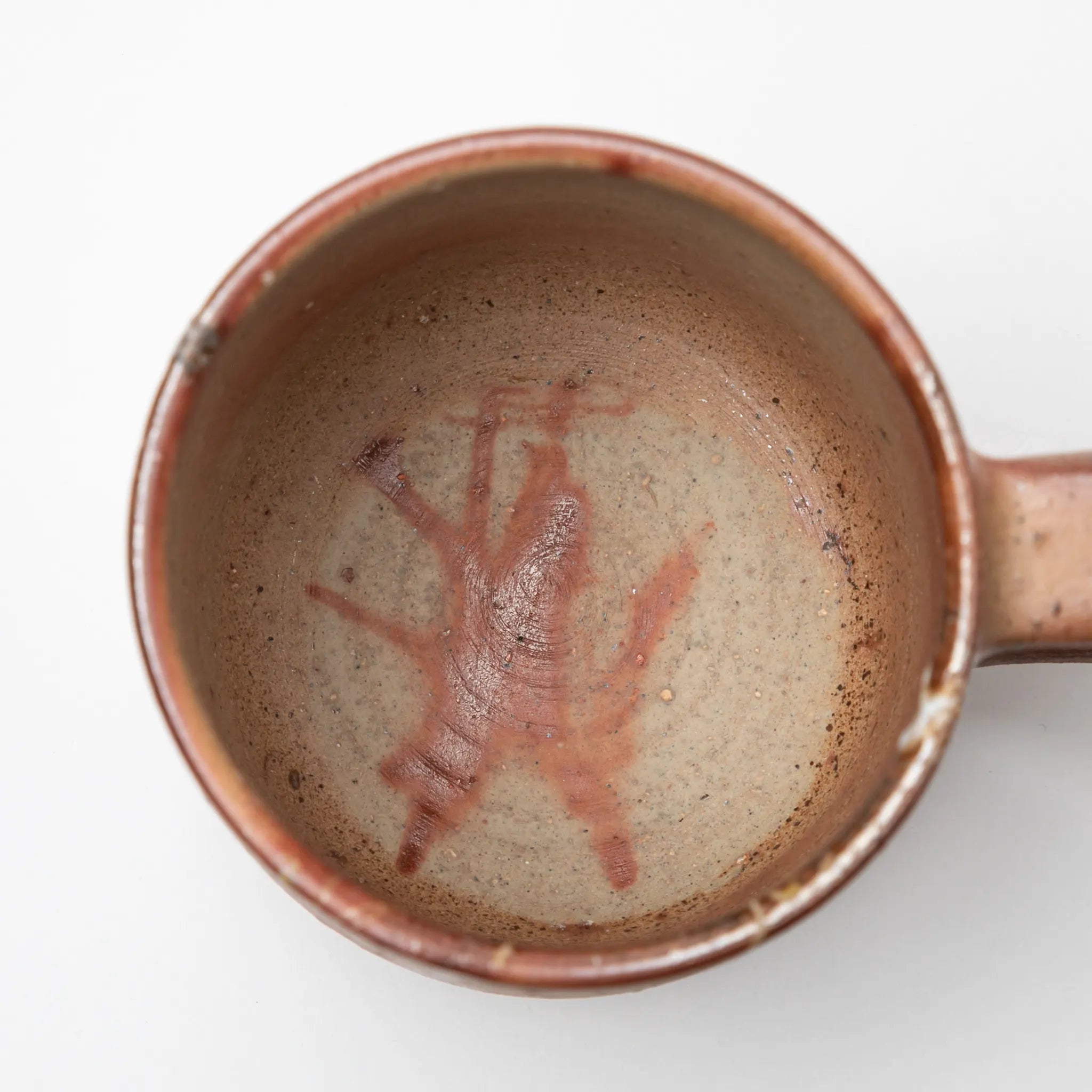
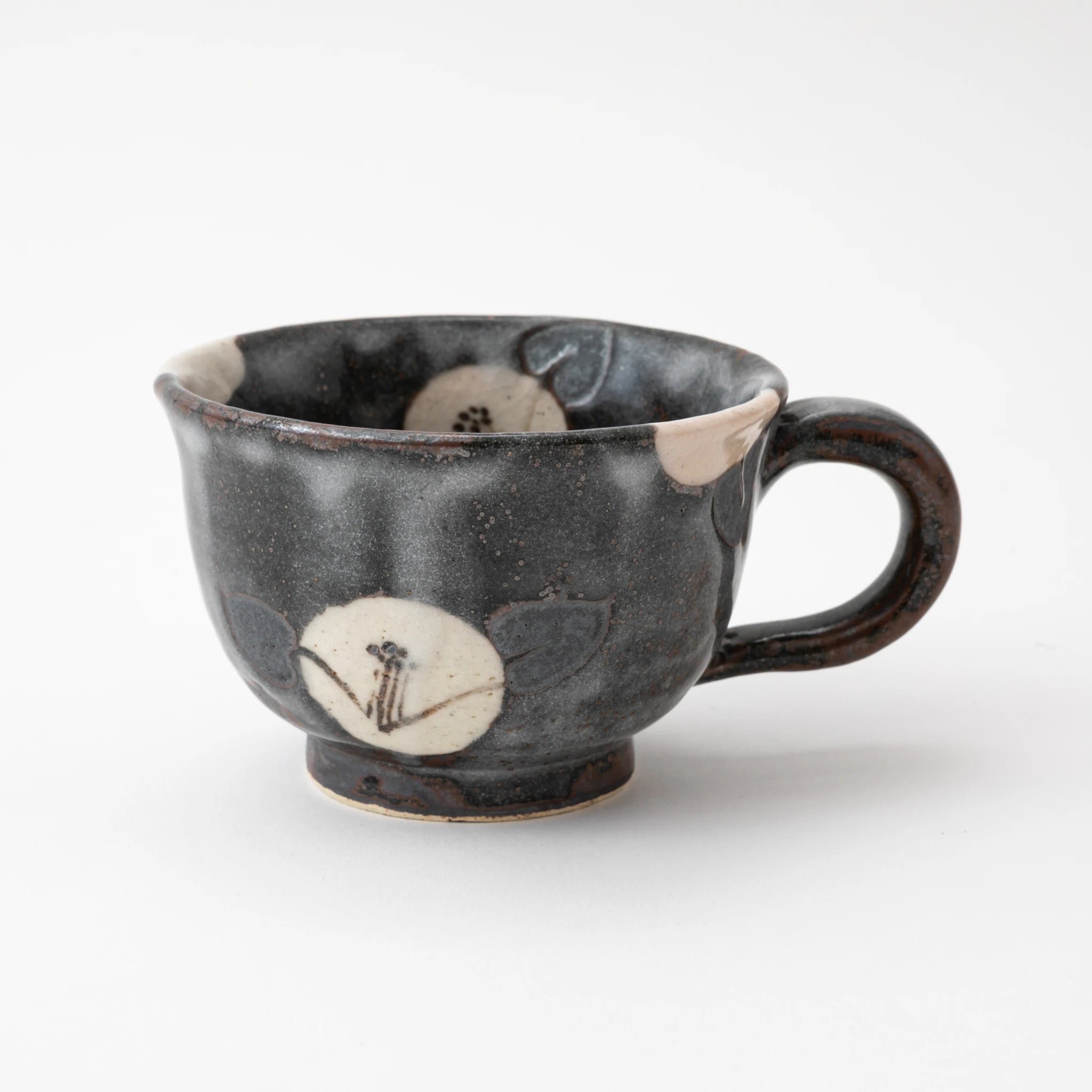
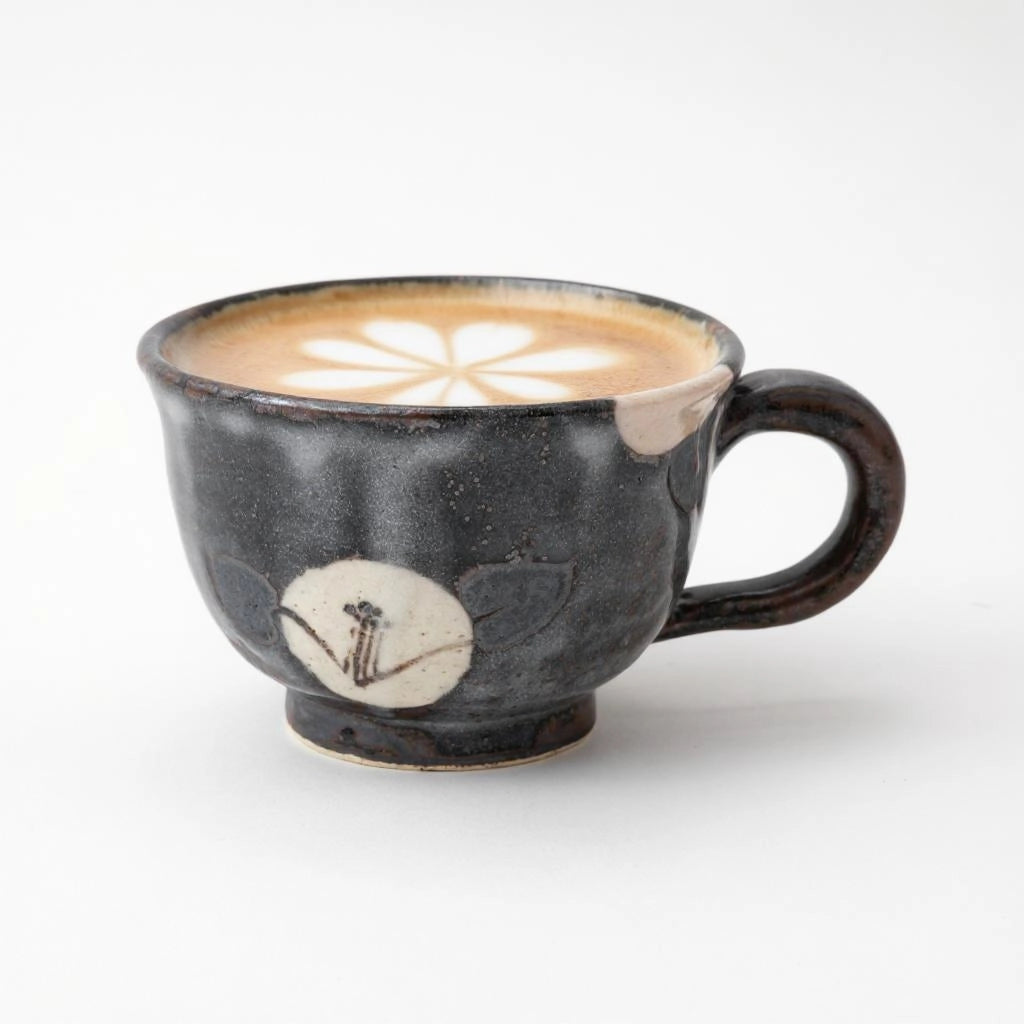
 Tamba Ware Large Faceted Mug Ash Glaze Honey Tone | Shozo Gama
Art on the Table
Hospitality starts the moment you sit down, when you are brought a glass of water and a damp cloth, warm in the winter or chilled during the humid summer months, to help you refresh. In these spaces, the visual environment is just as important as the coffee itself. The tableware is carefully chosen to complement the kissaten's style and tie the entire aesthetic together; masters are even known for observing a customer and selecting a cup from the shelves behind the bar that seems to fit their sensibility.
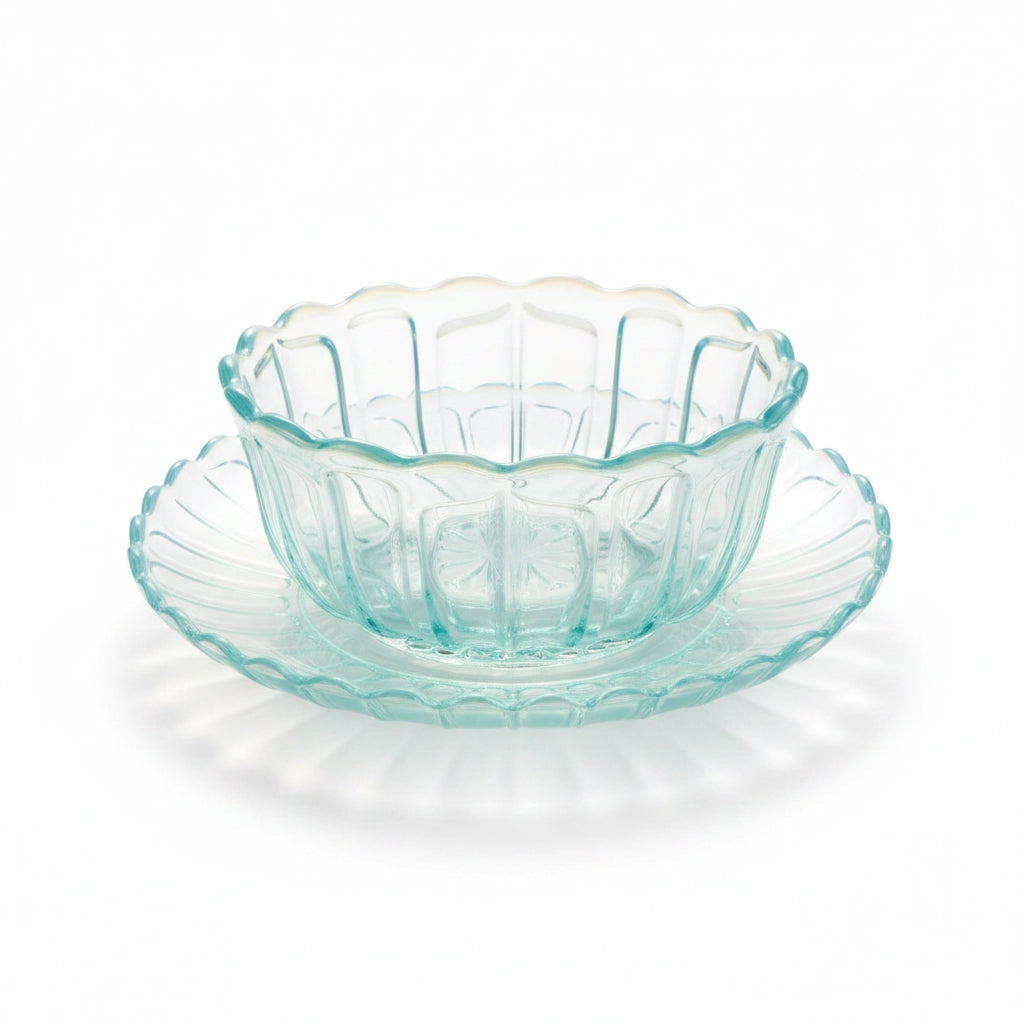
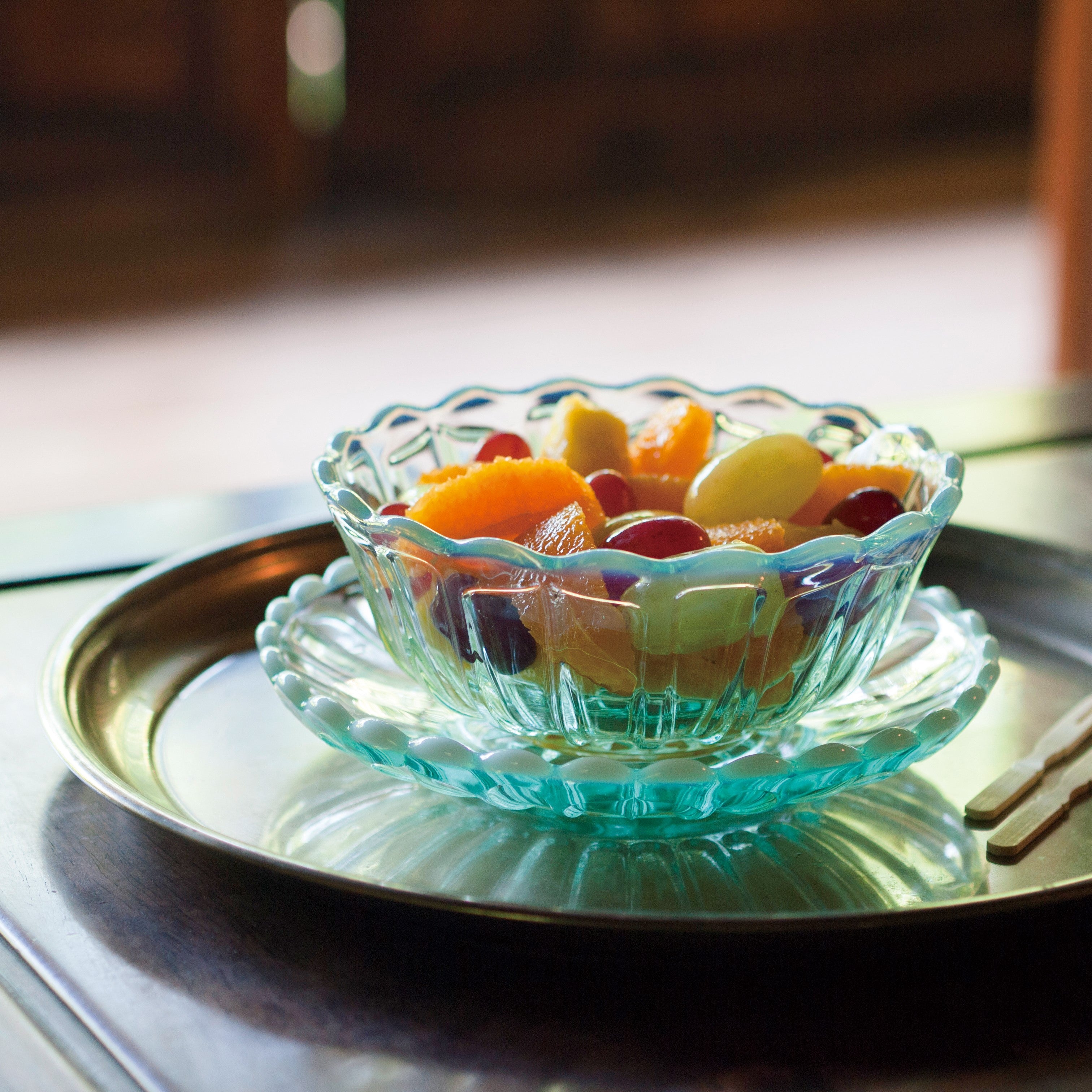
 Snow Flower Bowl and Plate Set | Hirota Glass
Every piece serves a distinct purpose, from the specific ceramic mug chosen for a slow brew to the vessels designed to enhance the look of the dense, chilled custard pudding that became a kissaten signature. This same intentionality defines the kissaten’s entire menu of sweet treats and seasonal cold drinks. Historically, owners introduced elaborate parfaits, seasonal fruits, and melon cream sodas to create a welcoming, vibrant space for a younger demographic. Serving these summer staples relies heavily on tactile, light-catching glassware that holds a chill. Presenting seasonal desserts or iced drinks on a coordinated glass bowl and plate set evokes a mid-century aesthetic, ensuring the visual experience matches the care put into the food itself.

A Hospitality Culture Kept Alive, One Sip at a Time
Although the world often associates Japan with matcha, the nation’s coffee culture has always been vibrant and thriving, with a diverse array of coffee establishments anchoring nearly every street corner. Yet, even as fast-paced cafes and global coffee chains dominate modern street corners, the traditional kissaten remains an enduring fixture in everyday Japanese life, a subject we explore further in The Complete Guide to Coffee Culture in Japan. These spaces offer something people still deeply crave: genuine hospitality, intentionality of the master, and a sense of familiar warmth that is often missing from modern coffee shops. It is the layered combination of considered tableware, an interior shaped by decades of use, unhurried conversation, and the master's attentiveness that makes the kissaten irreplaceable.