Skip to content

Cart

Your cart is empty

Soekyu GOSU Teacup 3.0

Sale price$59.00

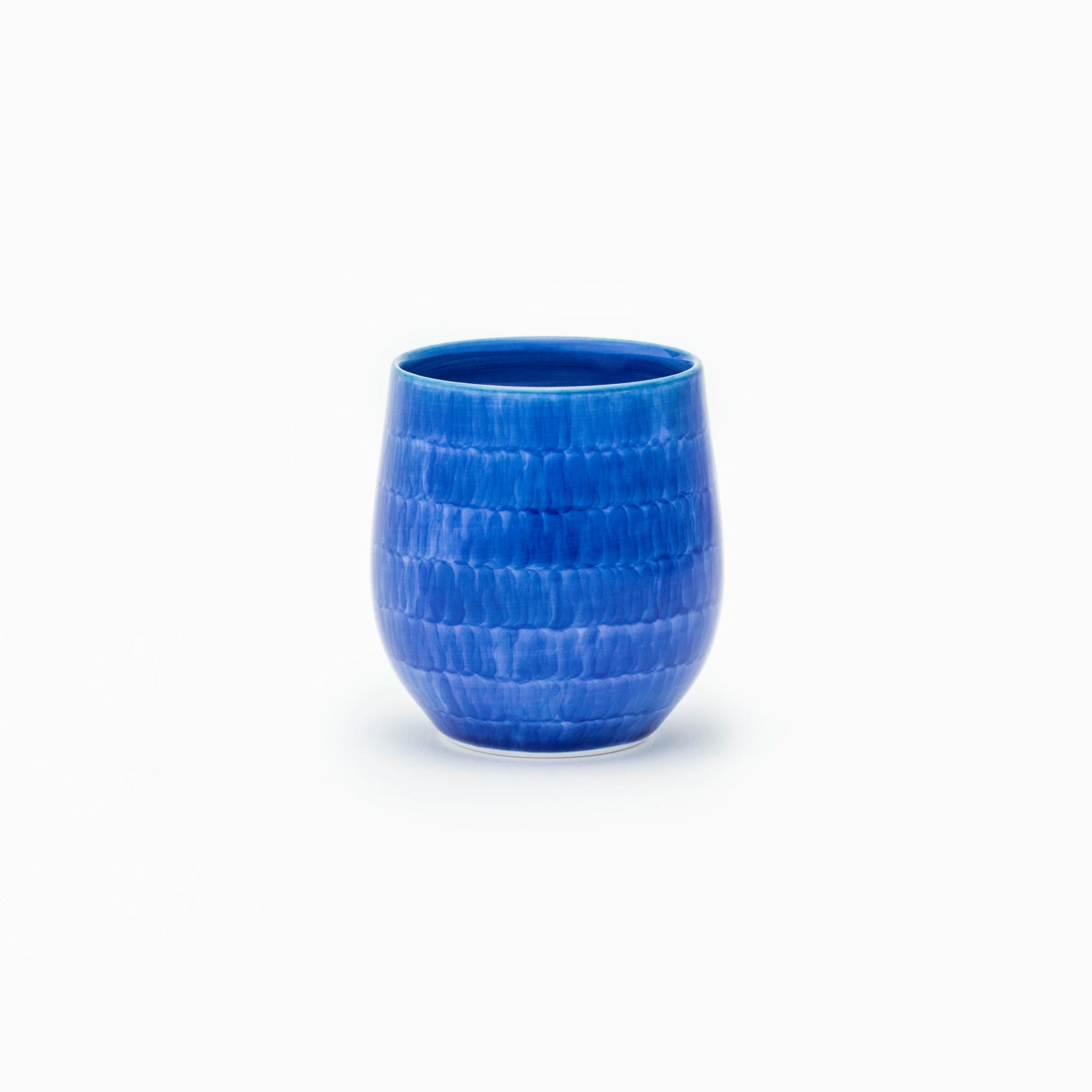
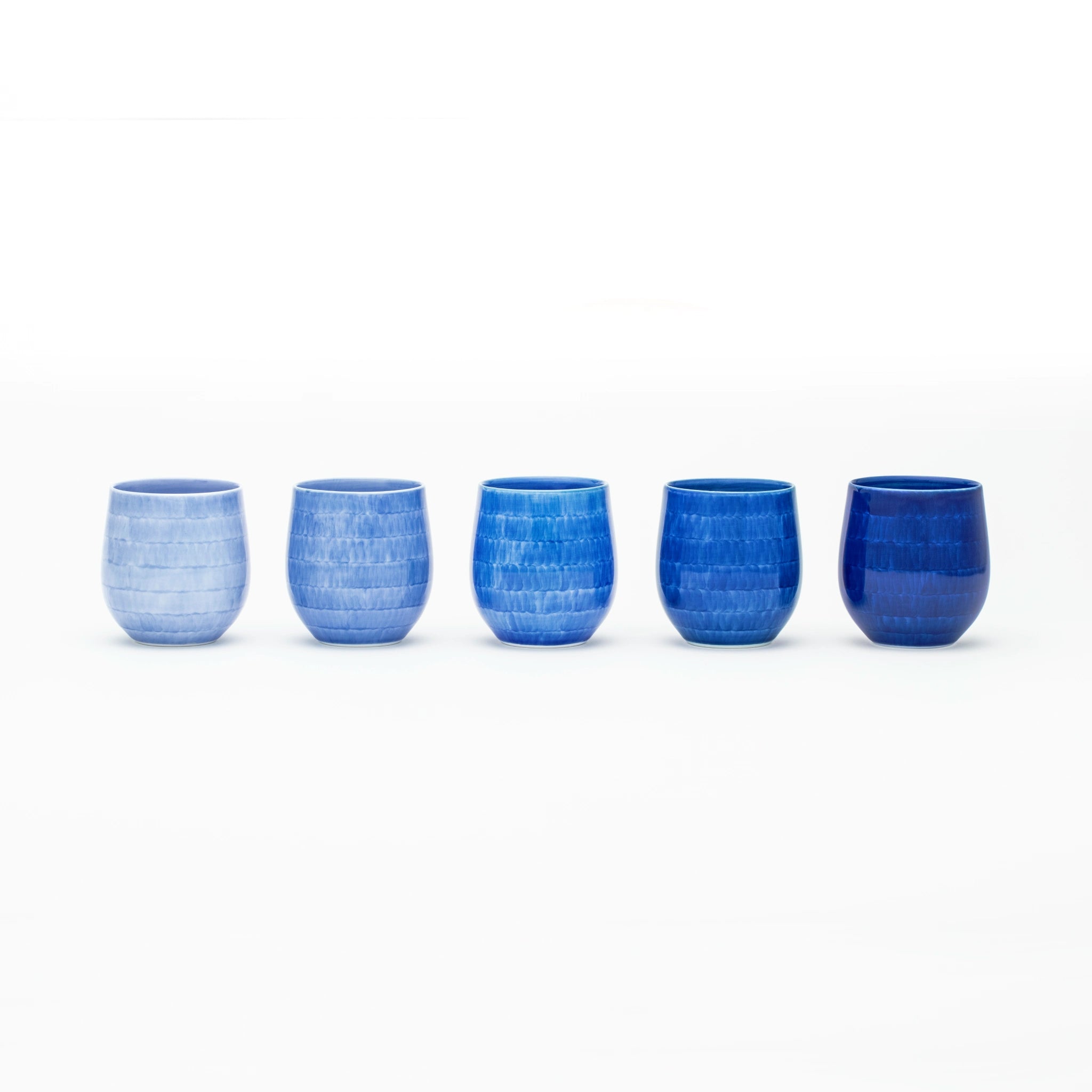
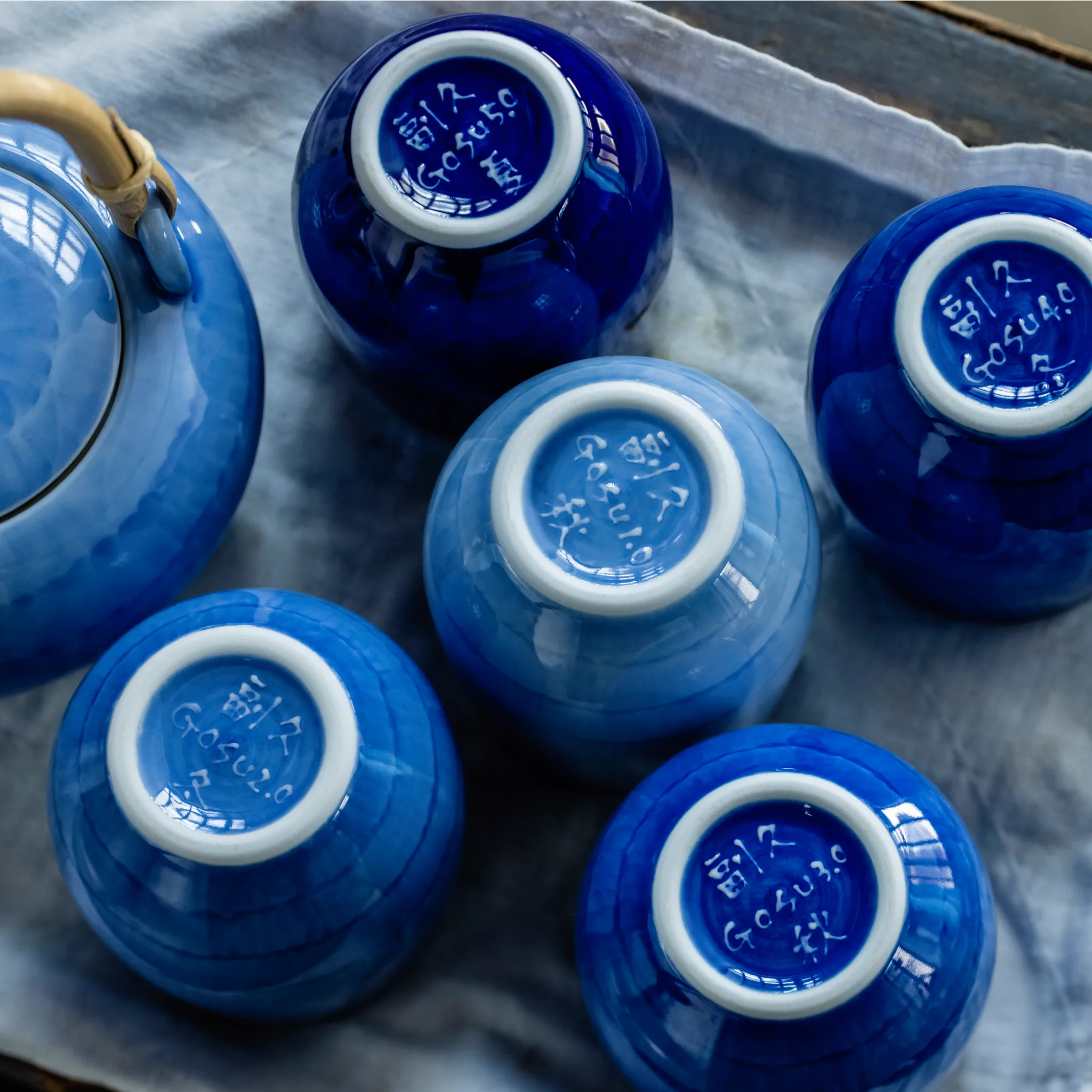
From Soekyu Kiln comes the GOSU Teacup—a contemporary vessel that reimagines traditional Japanese blue-and-white ware through rich, layered gradations of cobalt glaze. Sold individually, each cup is available in five distinct tones, ranging from a pale, translucent blue (1.0) to a deep, velvety indigo (5.0).

The rounded silhouette nestles comfortably in the palm, offering both visual elegance and everyday functionality. Subtle ridges echo petal-like rings, creating soft shifts in light and tone across the surface. These nuanced effects are achieved through hand-applied GOSU pigment—a hallmark of the kiln’s distinctive style.

Whether used for green tea, hojicha, or herbal infusions, this teacup elevates quiet moments with an artful presence. Each piece stands on its own or can be curated as a tonal sequence, reflecting Soekyu Kiln’s modern sensibility grounded in generations of ceramic mastery.

Soekyu GOSU Teacup 3.0
Soekyu GOSU Teacup 3.0 Sale price$59.00

Meet the Artisan

Soekyu Kiln

Soekyu Kiln was founded in 1953 in the Yoshida district of Ureshino. Now led by third-generation potter Hisahiro Soejima and his wife Michiko, the kiln carries forward techniques that speak to both heritage and sensitivity. Early on, the studio became known for pieces painted with karako motifs, but its identity deepened through the mastery of two traditional techniques: sumihajiki, a resist-painting method using black ink, and "dami", a brush-dyeing process using cobalt pigment.

Today, their GOSU collection expresses a contemporary vision through these techniques—particularly the expressive range of blue known as gosu. Shades from 1.0 to 5.0 are brushed by hand using wide, loaded brushes, with the flow of pigment controlled by the artisan’s fingertips. No two pieces are the same. The result is not only visual, but atmospheric: pigment that responds to the season, humidity, and rhythm of the hand.

At Soekyu Kiln, porcelain is seen not as display but as accompaniment. These are vessels made to live with—touched by the climate, guided by tradition, and grounded in a sense of care.