Skip to content

Cart

Your cart is empty

Koetsu Shigure Style Black Raku Matcha Bowl

Sale price$338.00

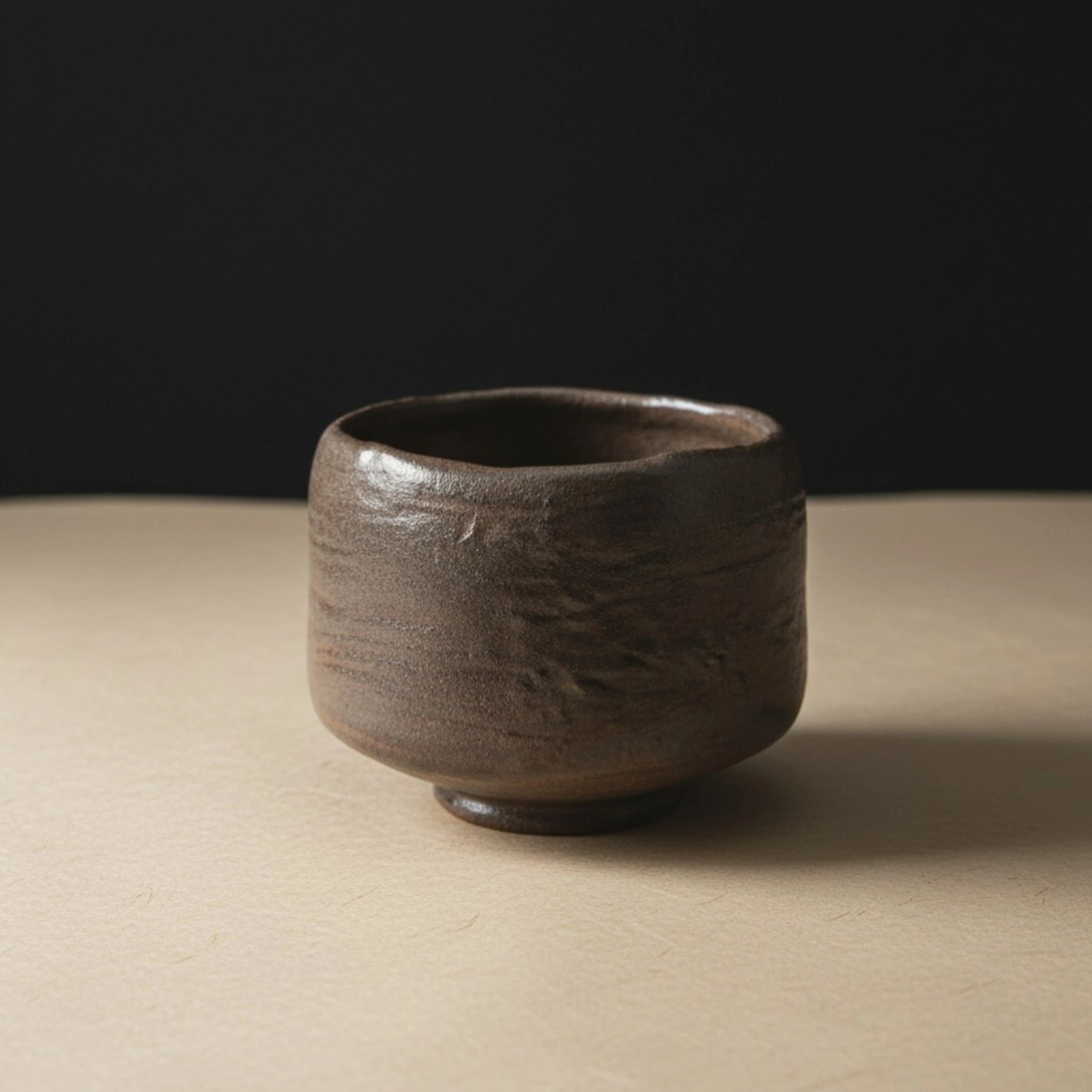
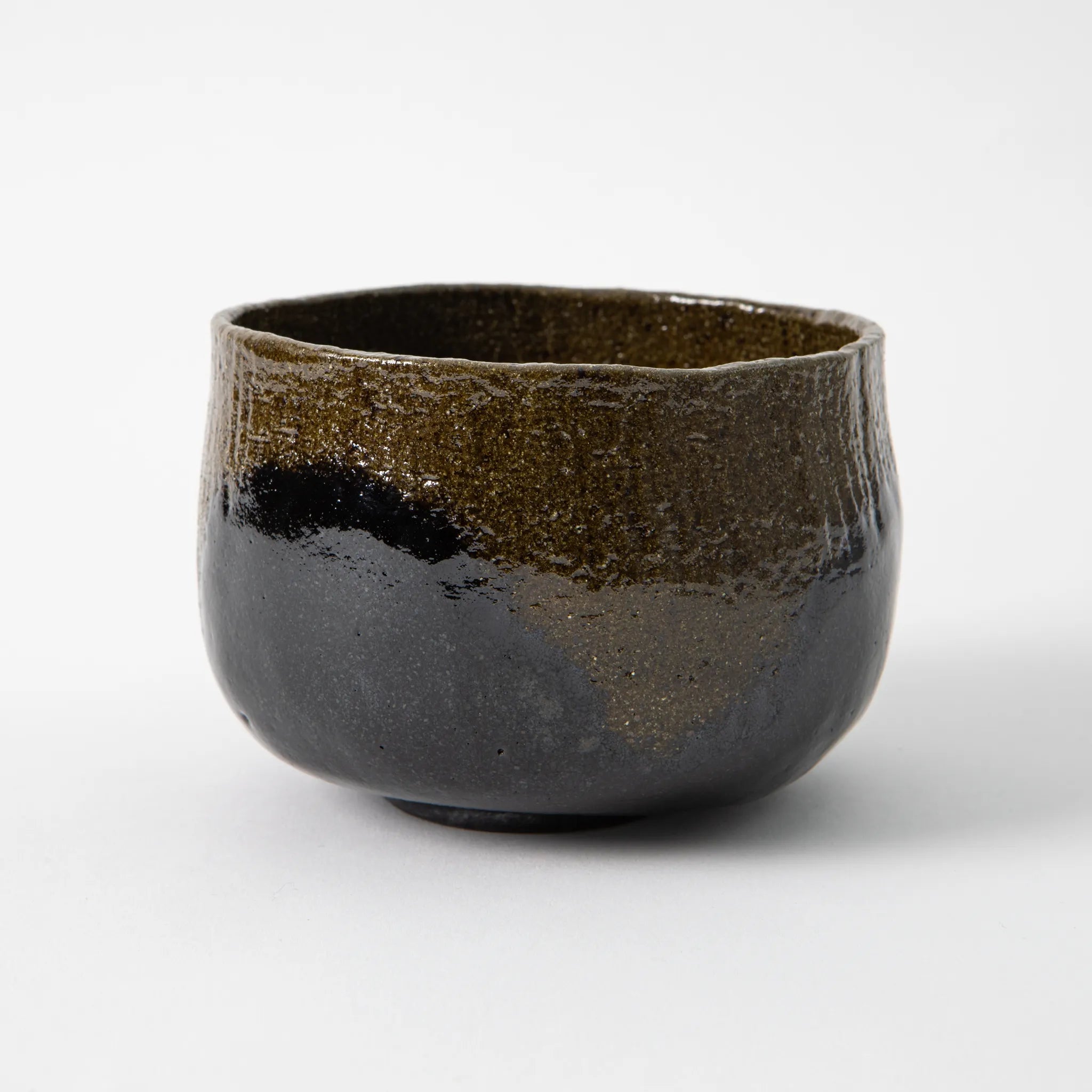
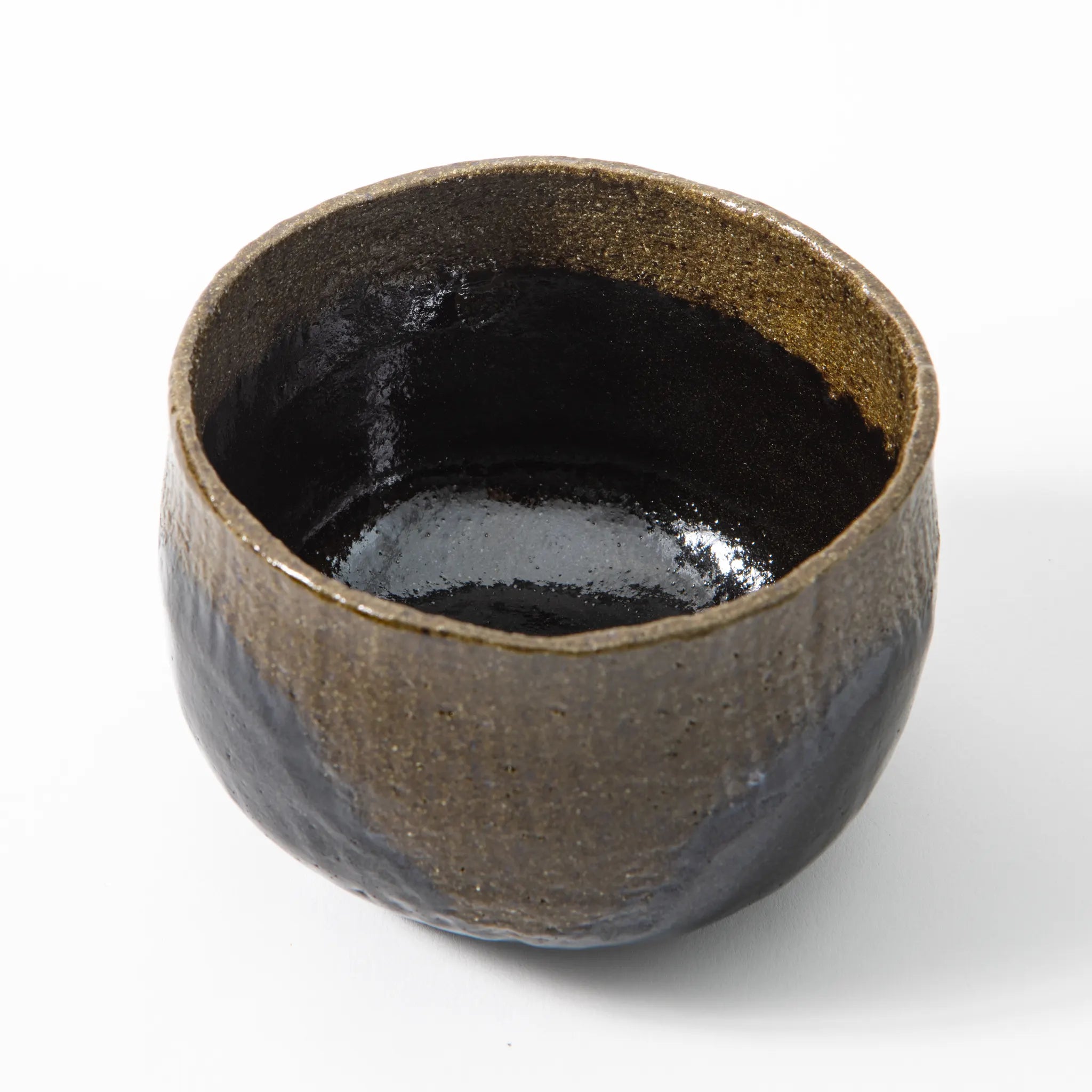
Shigure names the brief, passing showers of late autumn and early winter, rain that falls suddenly, stops, and falls again, a phenomenon so particular to that season that it has carried its own word in Japanese since the age of the Manyoshu. It is this quality, localized, transient, arriving and departing without warning, that names one of Hon'ami Koetsu's most celebrated black raku chawan, where black glaze settles fully in some areas and thins to almost nothing in others, exposing the dark clay beneath as though the rain had simply passed over those places without touching them. Koetsu, the early 17th-century Kyoto artist who worked alongside the Raku family's 2nd and 3rd generations, applied glaze with that same freedom from predictability. The rim is finished flat across its upper edge, the waist rounds gently, and the form carries the assurance of a hand unbound by convention. This chawan by Shoraku Kiln follows that tradition with fidelity.

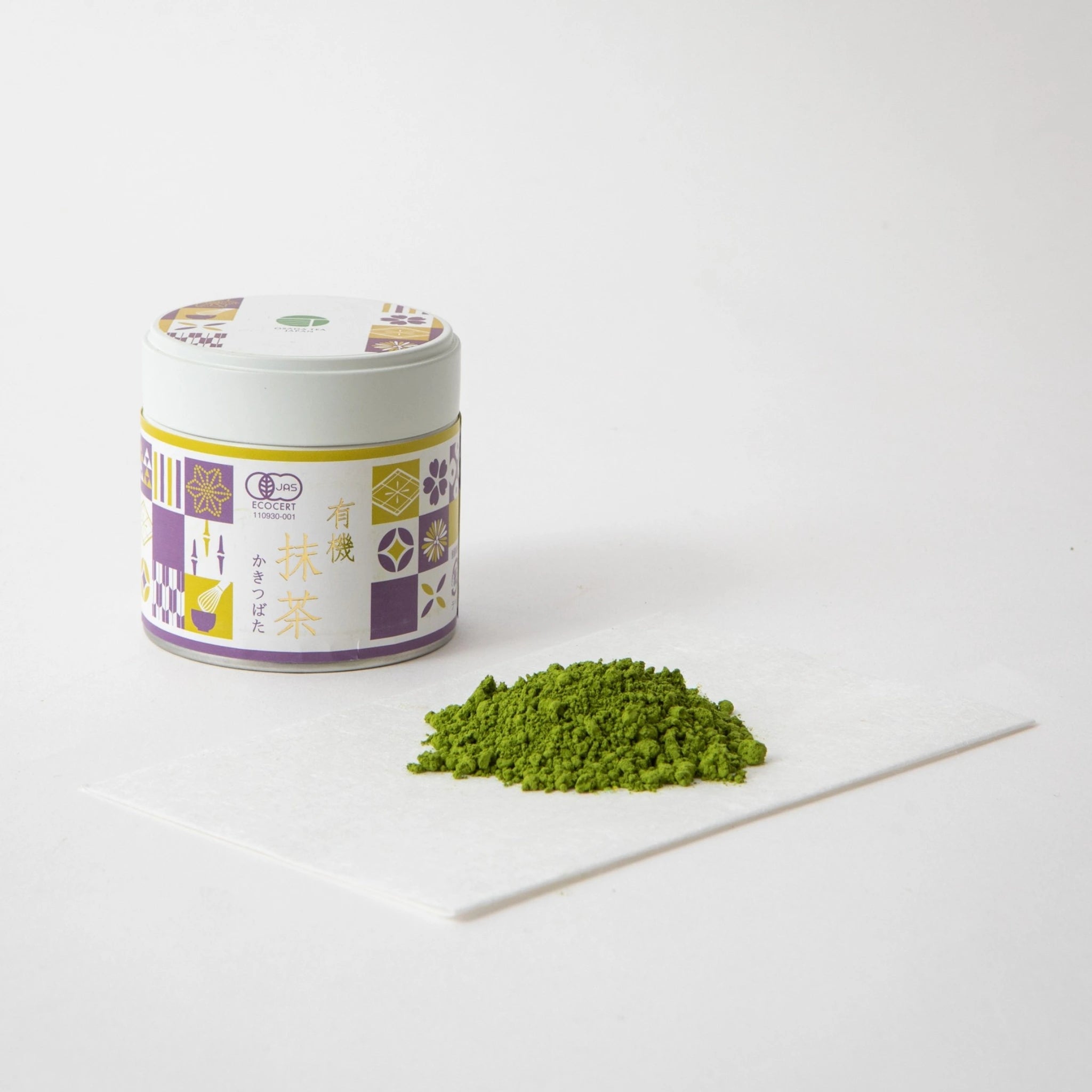
This bowl is accompanied by OG Matcha Kakitsubata from Osada Tea, selected to complete the tea experience.

A hand built black raku matcha bowl by Shoraku Kiln in the Koetsu Shigure style, with a half cylinder form, gently rounded waist, flat finished rim, and black glaze thinning to reveal dark brownish clay beneath across the surface, photographed against a white background.
Koetsu Shigure Style Black Raku Matcha Bowl Sale price$338.00

Meet the Artisan

Shoraku Kiln

Shoraku Kiln was founded in 1905 in Kyoto, when Sasaki Kichinosuke left the city's central district and established a Raku ware kiln at the foot of Kiyomizudera Temple, dedicating it entirely to the production of tea bowls for chanoyu. Over the following century, the kiln drew the personal guidance of some of Japan's most significant cultural and spiritual figures, including Daitoku-ji head priests Goto Zuigan and Fukutomi Settei, and the religious leader Deguchi Onisaburo, who bestowed upon the kiln the name Shoraku, a name carrying the quiet weight of that trust.

The kiln later relocated to Kameoka in Kyoto Prefecture, a town wrapped in mountain mist whose stillness the Sasaki family regards as naturally consonant with the spirit of wabi-cha. Now in its fourth generation, Shoraku Kiln shapes every tea bowl entirely by hand, firing black Raku with glaze ground from Kamo River stone and red Raku at lower temperatures to coax out its characteristically soft warmth. At the heart of the practice is a conviction that a tea bowl should not assert itself, but simply be present, creating stillness and space for the moment of tea to unfold.