
Skip to content

Cart

Your cart is empty

Indigo Fade Washi Notebook

Sale price$49.00

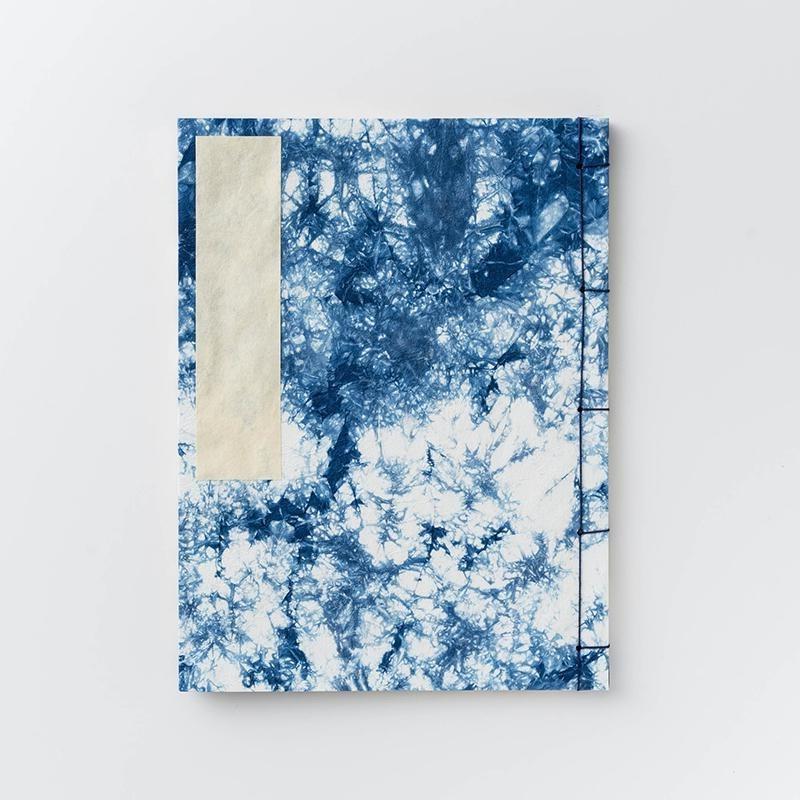
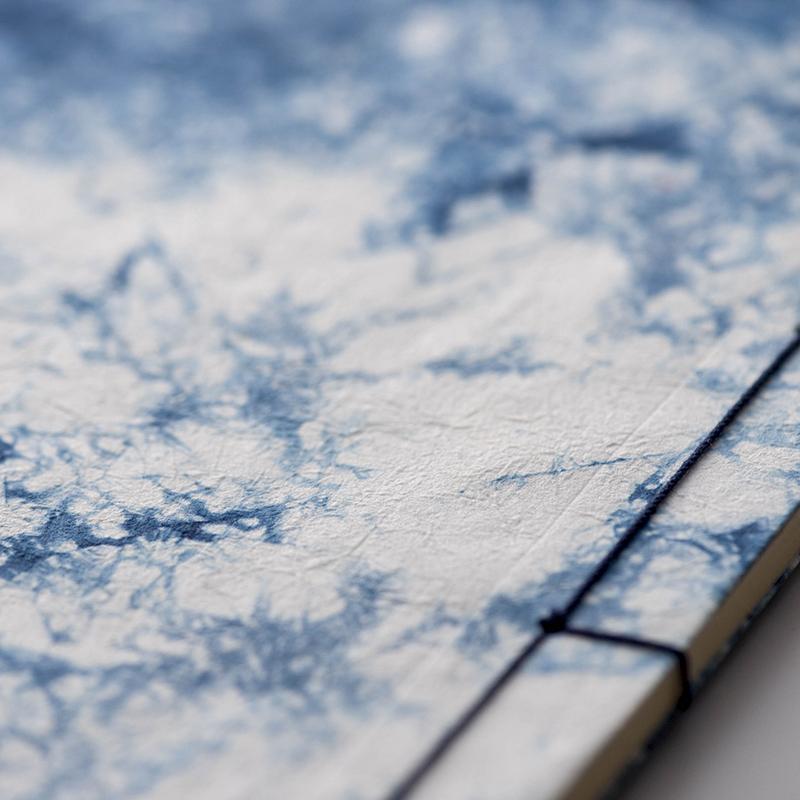
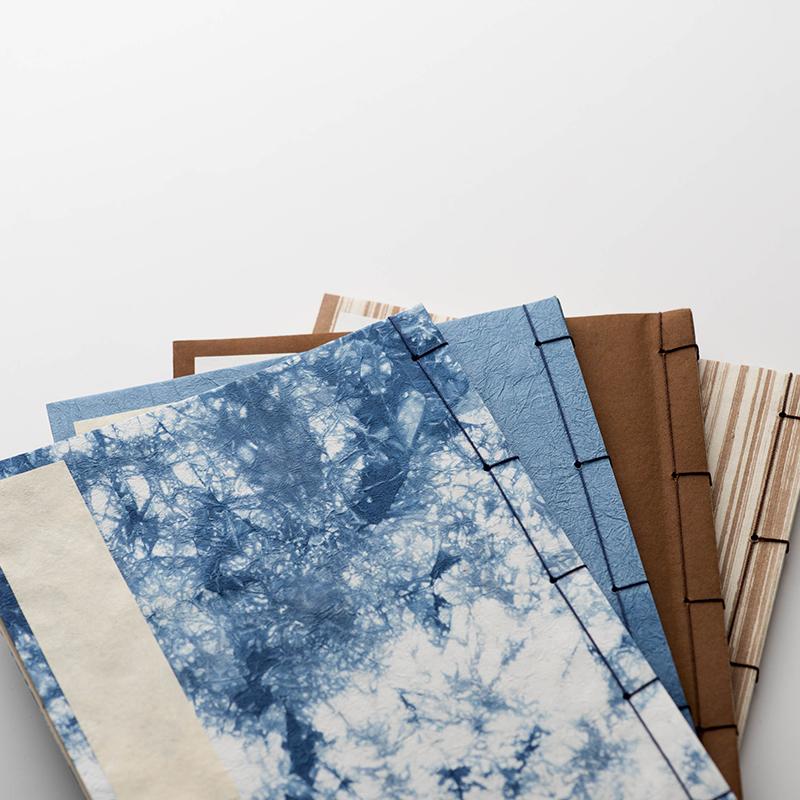
A study in natural contrast and quiet intensity, this Indigo Fade Washi Notebook by Awagami Factory captures the unpredictable beauty of hand-dyed paper. Each cover is crafted from washi individually dyed using Tokushima-grown indigo—Japan’s famed "Japan Blue"—resulting in an expressive, branching pattern that evokes ink dispersing through water or frost blooming on glass.

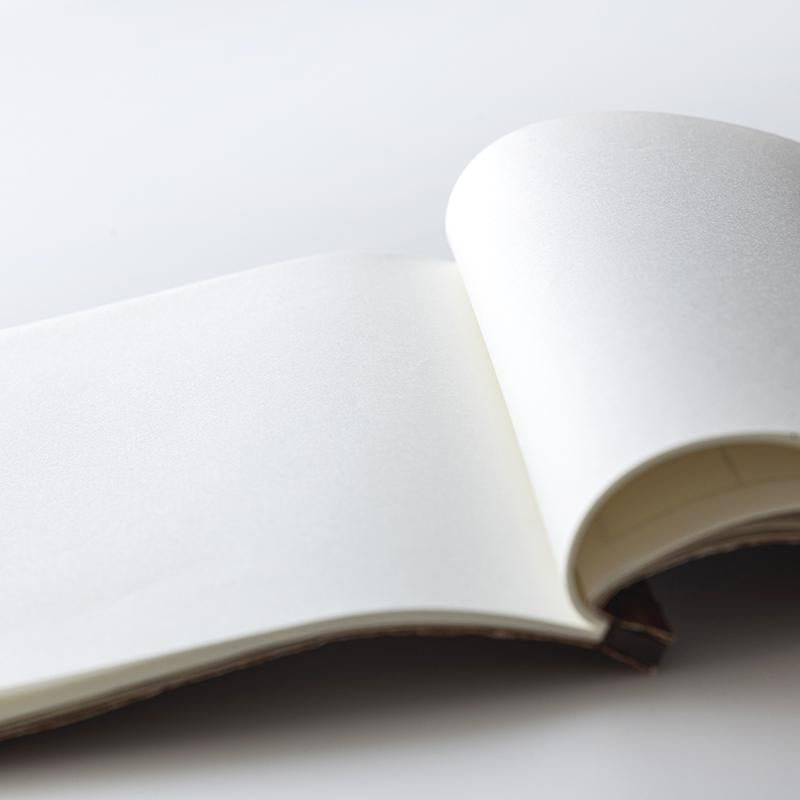
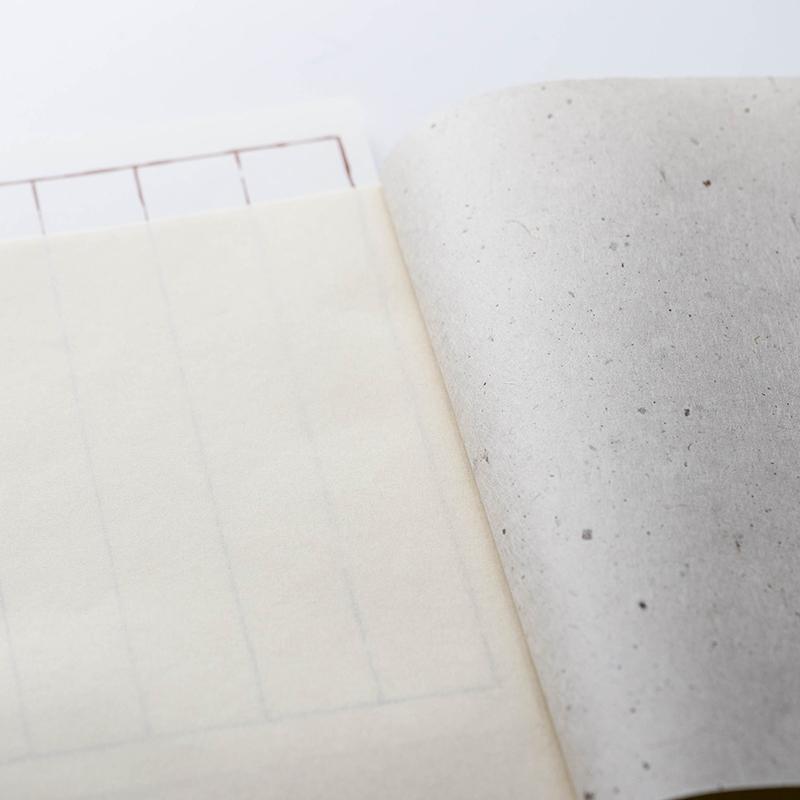
Bound using traditional watoji stitching, the notebook features folded shirakaba washi pages ideal for fountain pens, water-based ink, or brush writing. There’s a subtle softness and absorbency to the paper that enhances the tactile experience of every word or sketch.

More than a notebook, it is a canvas of living indigo—designed to change gradually with time and light, just as all things in nature do.

Indigo Fade Washi Notebook
Indigo Fade Washi Notebook Sale price$49.00

Meet the Artisan

Awagami Factory

Awagami Factory is a family-run papermaking atelier in Tokushima, rooted in over 300 years of washi tradition. Operated by the Fujimori family, the workshop traces its origins to the Edo period, when ancestors began crafting Awa Washi using the region’s abundant clean water and local plant fibers. Officially established in its current form in 1945, Awagami Factory has since become one of the few remaining makers dedicated to preserving the depth and discipline of hand-papermaking in Japan.

What sets Awagami apart is its rare duality: it honors centuries-old techniques while actively pushing the boundaries of what handmade paper can be. Under the guidance of successive generations—including Minoru Fujimori, a designated Master Craftsman—the factory has cultivated a wide range of papers for contemporary use, from printmaking and fine art to interior design and everyday creative expression.

Each sheet is made with a devotion to integrity—no shortcuts, no synthetic pulp. Whether created from kozo, mitsumata, or gampi, every fiber is selected, processed, and lifted into form with care that borders on reverence. Their ethos is not mass production, but cultural stewardship: to keep Awa Washi alive not in a museum, but in the hands of those who will write, fold, dye, or create with it.