Skip to content

Cart

Your cart is empty

Chojiro Kamuro Style Black Raku Matcha Bowl

Sale price$388.00

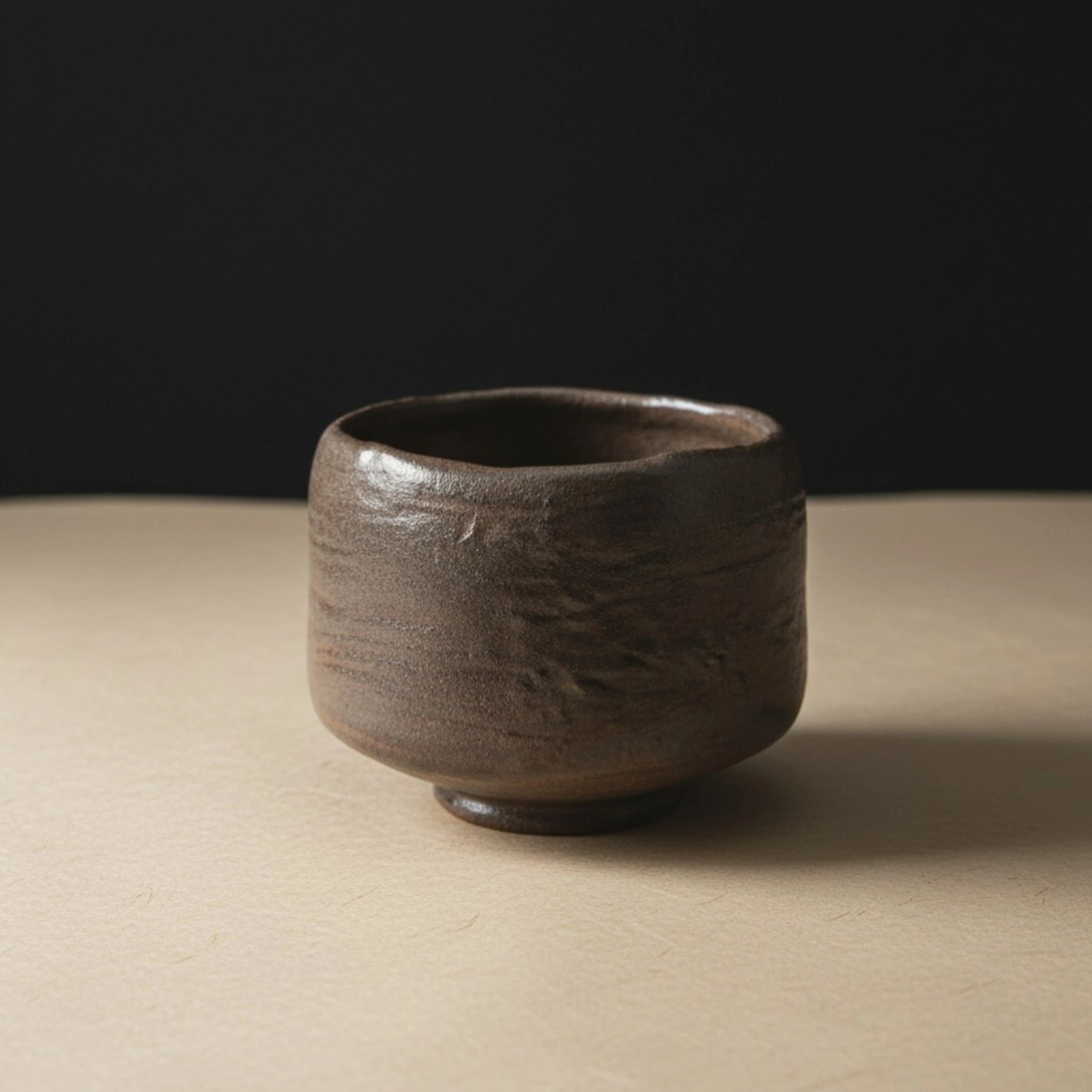
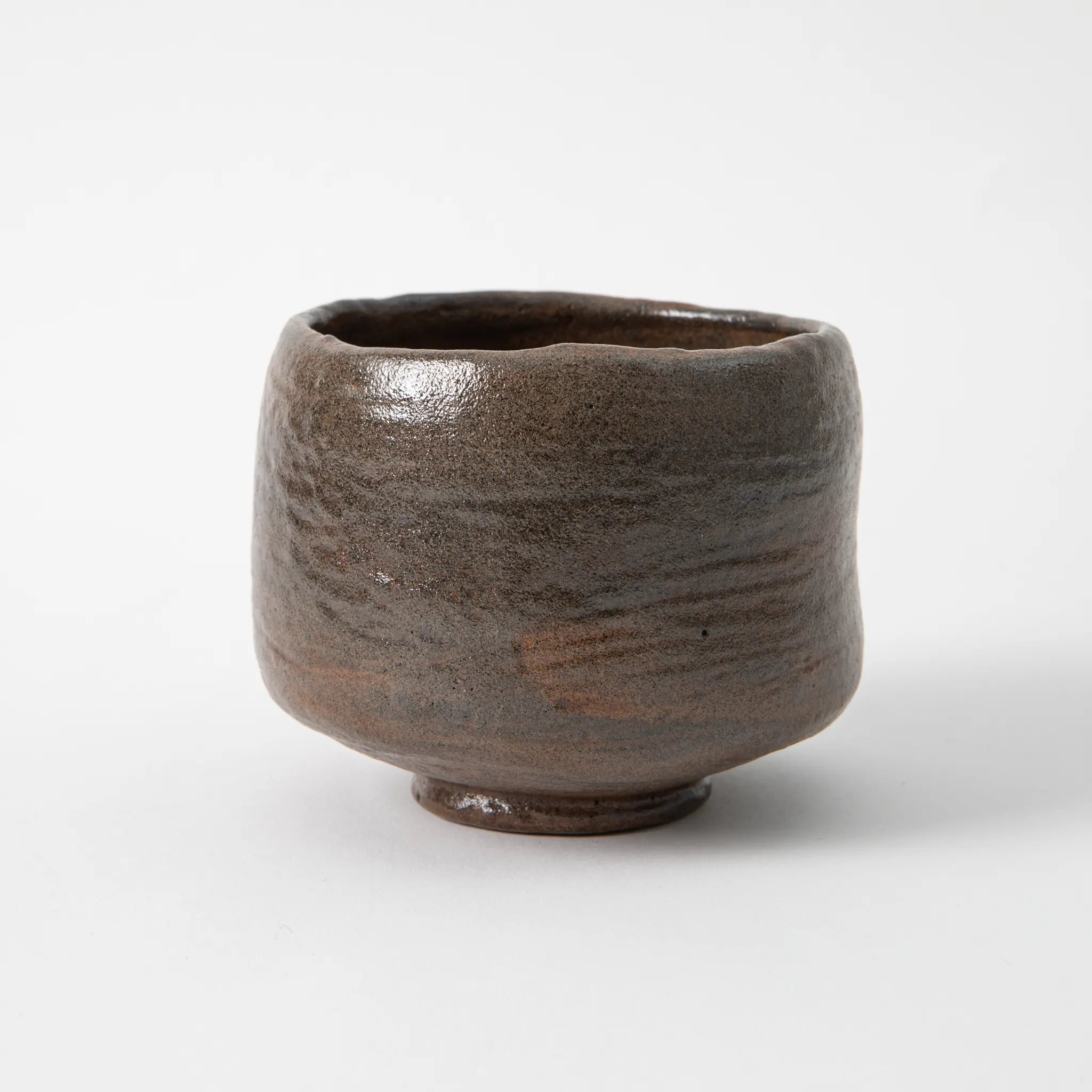
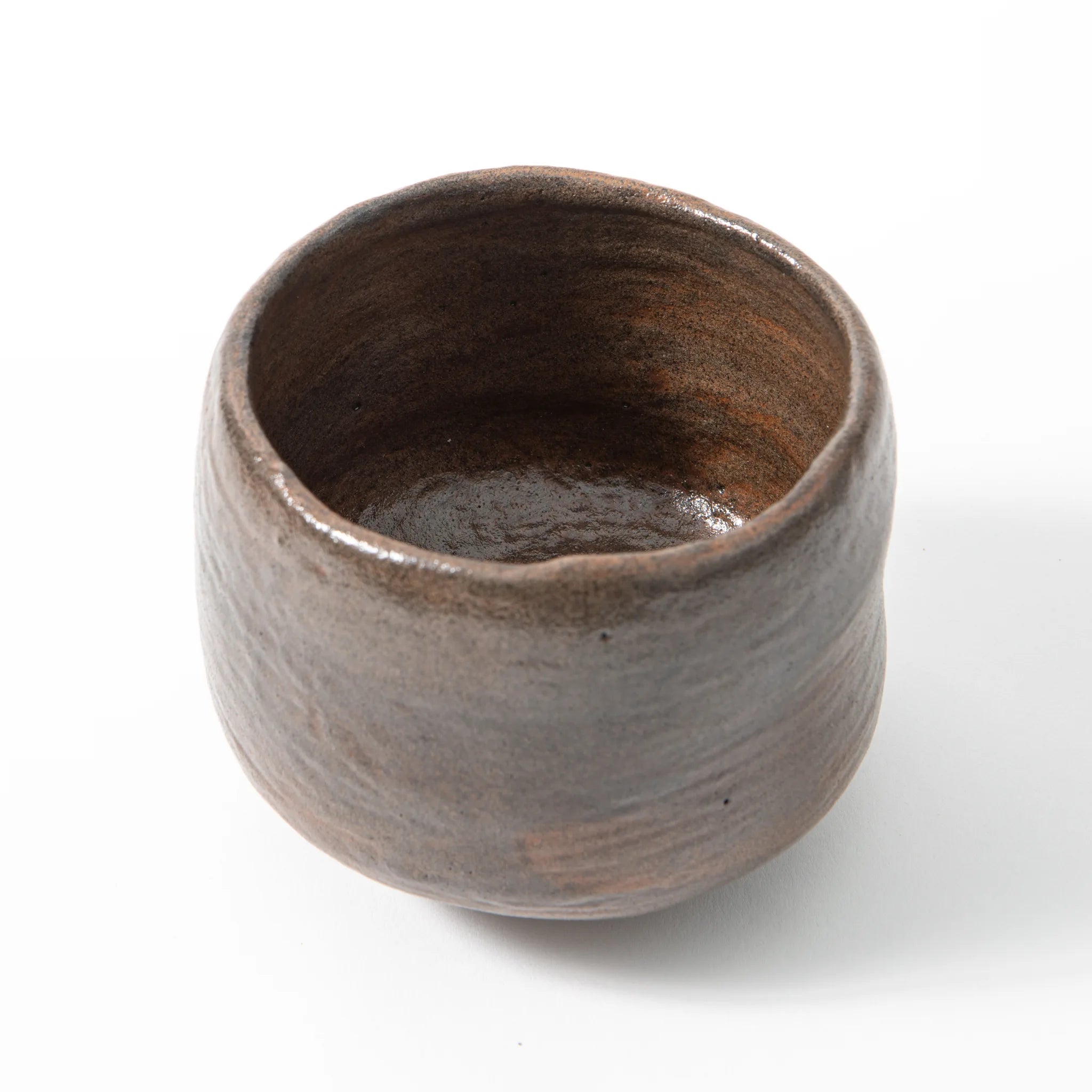
Few objects in Japanese ceramic history carry the weight of a Chojiro black raku chawan. Chojiro, the 16th-century founder of raku ware, shaped bowls by hand rather than wheel, producing forms of deliberate irregularity that the tea master Sen no Rikyu recognized as the perfect vessel for the wabi aesthetic he was defining. This chawan by Shoraku Kiln works within that lineage, hand-built with the same restrained intention. The form is cylindrical and slightly tapered, its rim uneven in the way that only hand-building produces, and the surface carries a deep, iron-dark glaze that shifts between matte black and warm brown where the clay body and firing atmosphere have left their traces. Horizontal striations move across the exterior, evidence of the forming process preserved rather than smoothed away. Held in two hands, as a chawan of this kind is meant to be, it settles with a gravity that is difficult to articulate and immediately felt.

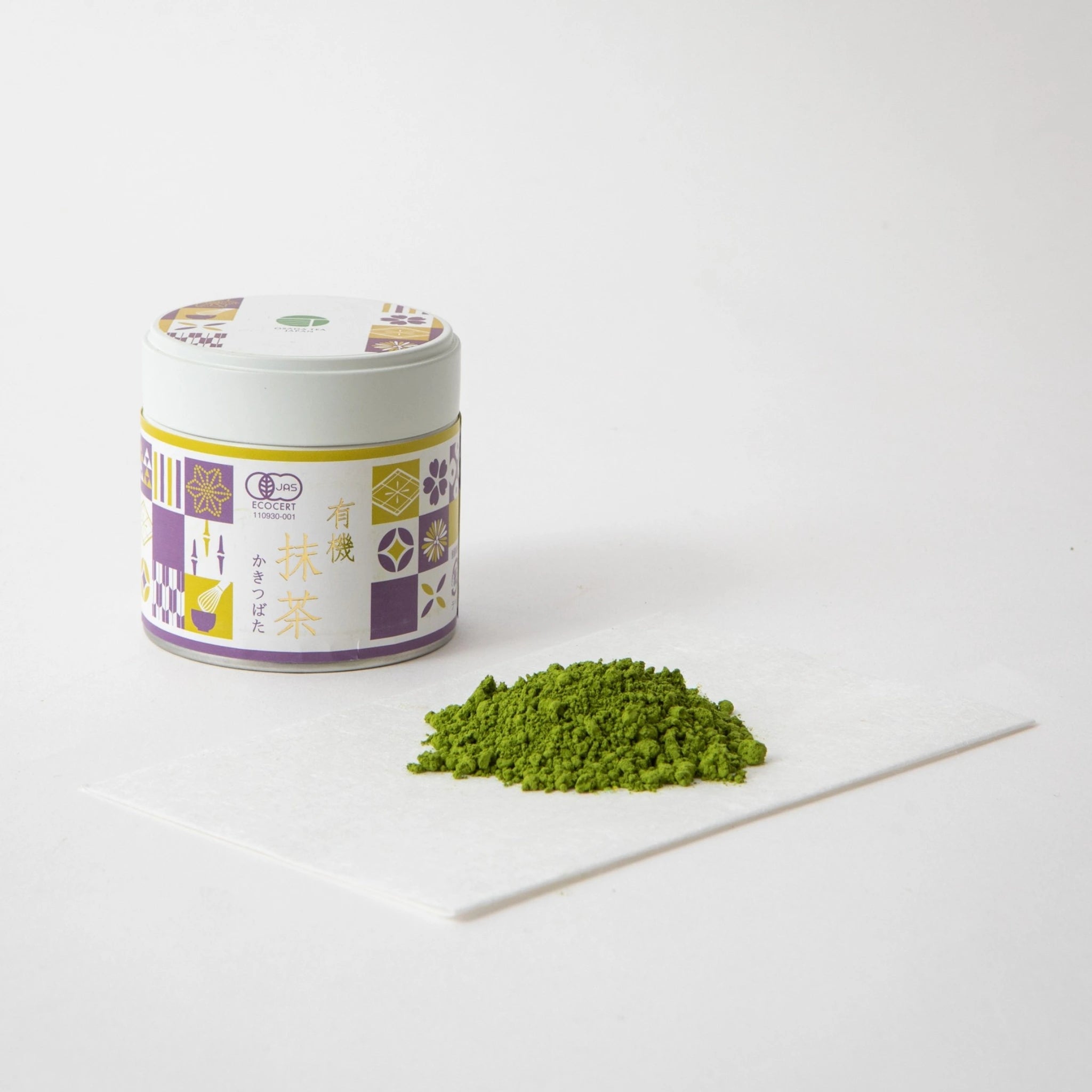
This bowl is accompanied by OG Matcha Kakitsubata from Osada Tea, selected to complete the tea experience.

A hand built black raku matcha bowl by Shoraku Kiln in the Chojiro Kamuro style, with a cylindrical tapered form, irregular rim, and a deep iron dark glaze showing horizontal striations and warm brown tones, photographed against a white background.
Chojiro Kamuro Style Black Raku Matcha Bowl Sale price$388.00

Meet the Artisan

Shoraku Kiln

Shoraku Kiln was founded in 1905 in Kyoto, when Sasaki Kichinosuke left the city's central district and established a Raku ware kiln at the foot of Kiyomizudera Temple, dedicating it entirely to the production of tea bowls for chanoyu. Over the following century, the kiln drew the personal guidance of some of Japan's most significant cultural and spiritual figures, including Daitoku-ji head priests Goto Zuigan and Fukutomi Settei, and the religious leader Deguchi Onisaburo, who bestowed upon the kiln the name Shoraku, a name carrying the quiet weight of that trust.

The kiln later relocated to Kameoka in Kyoto Prefecture, a town wrapped in mountain mist whose stillness the Sasaki family regards as naturally consonant with the spirit of wabi-cha. Now in its fourth generation, Shoraku Kiln shapes every tea bowl entirely by hand, firing black Raku with glaze ground from Kamo River stone and red Raku at lower temperatures to coax out its characteristically soft warmth. At the heart of the practice is a conviction that a tea bowl should not assert itself, but simply be present, creating stillness and space for the moment of tea to unfold.