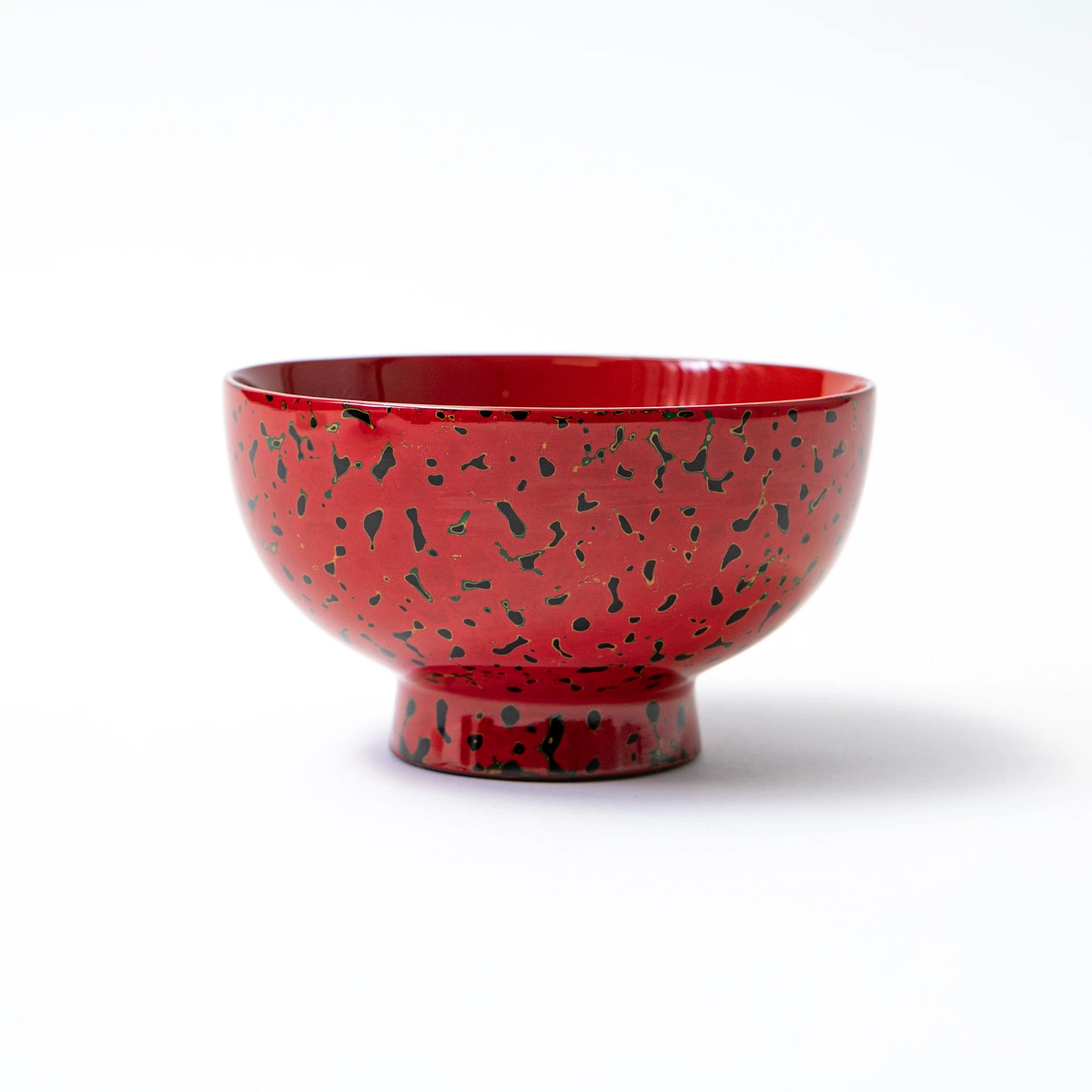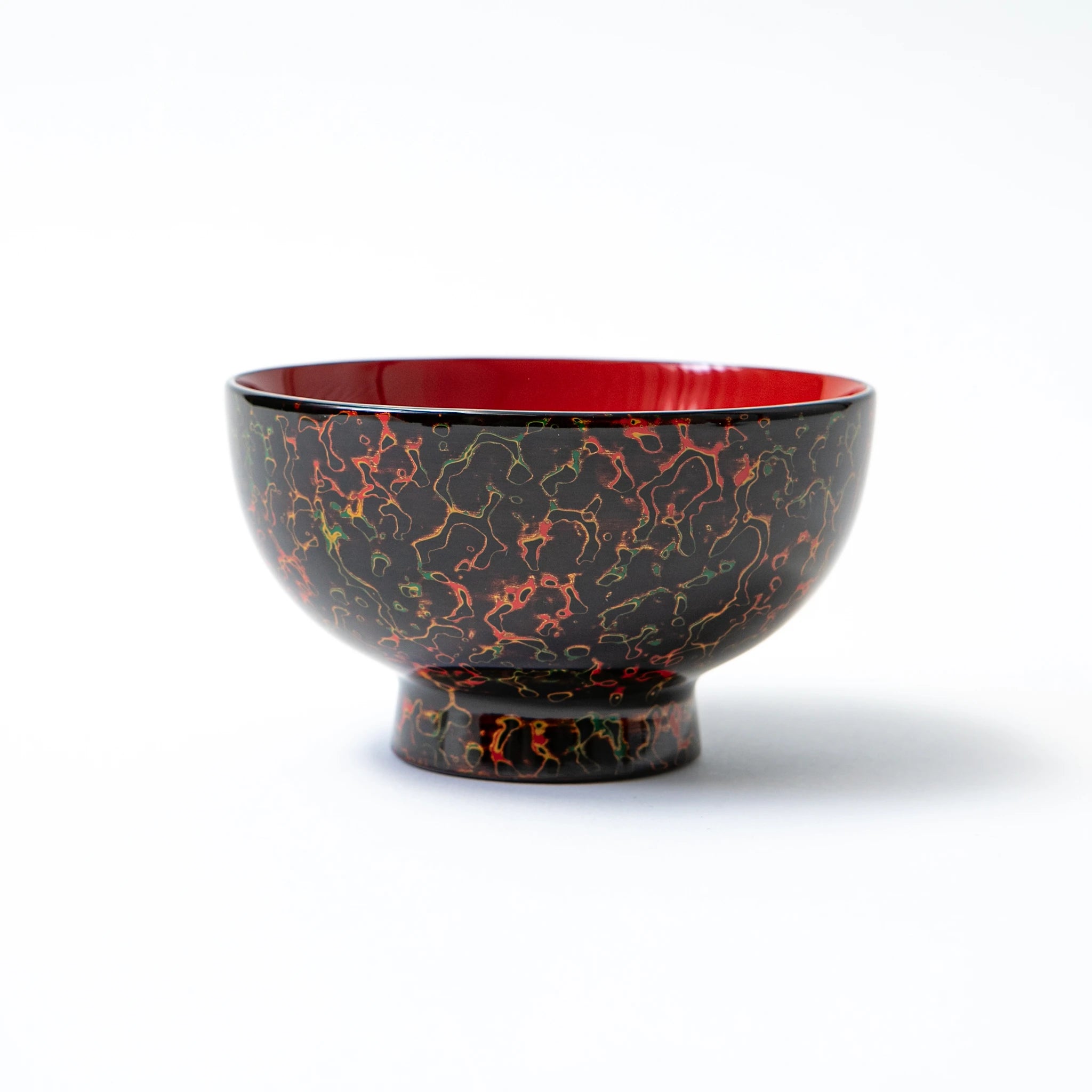
The Unseen Dedication of Kobayashi Lacquerware
Before a Kobayashi Lacquerware piece reaches your hands, months have already passed in a workshop in Hirosaki, Aomori, at the northernmost edge of Japan's lacquerware tradition. While the finished surface of a Kara-nuri bowl offers a striking, mottled pattern, it represents a timeline of labor that is increasingly rare in modern production. Conversations with the craftsmen at their atelier reveal a perspective that is often lost on the casual observer: these objects are not painted, they are built, layer by layer, over months of repetition.
The artisans themselves have a name for it: Baka-nuri, the fool's coating. It is a term worn with quiet pride. No rational production logic justifies it. And yet, it is the only process that produces what you are holding. It refers to the 38 to 48 separate stages of layering, drying, and polishing required to complete a single piece. The depth of the finished work is a direct result of the three to six months it spends in transition at the studio. It is a process that refuses to be rushed, dictated by the natural curing time of urushi lacquer, physical stamina, and dedication required to sand back stone-hard material to reveal the colors hidden within.
The Anatomy of the 48 Layers of Kara-nuri
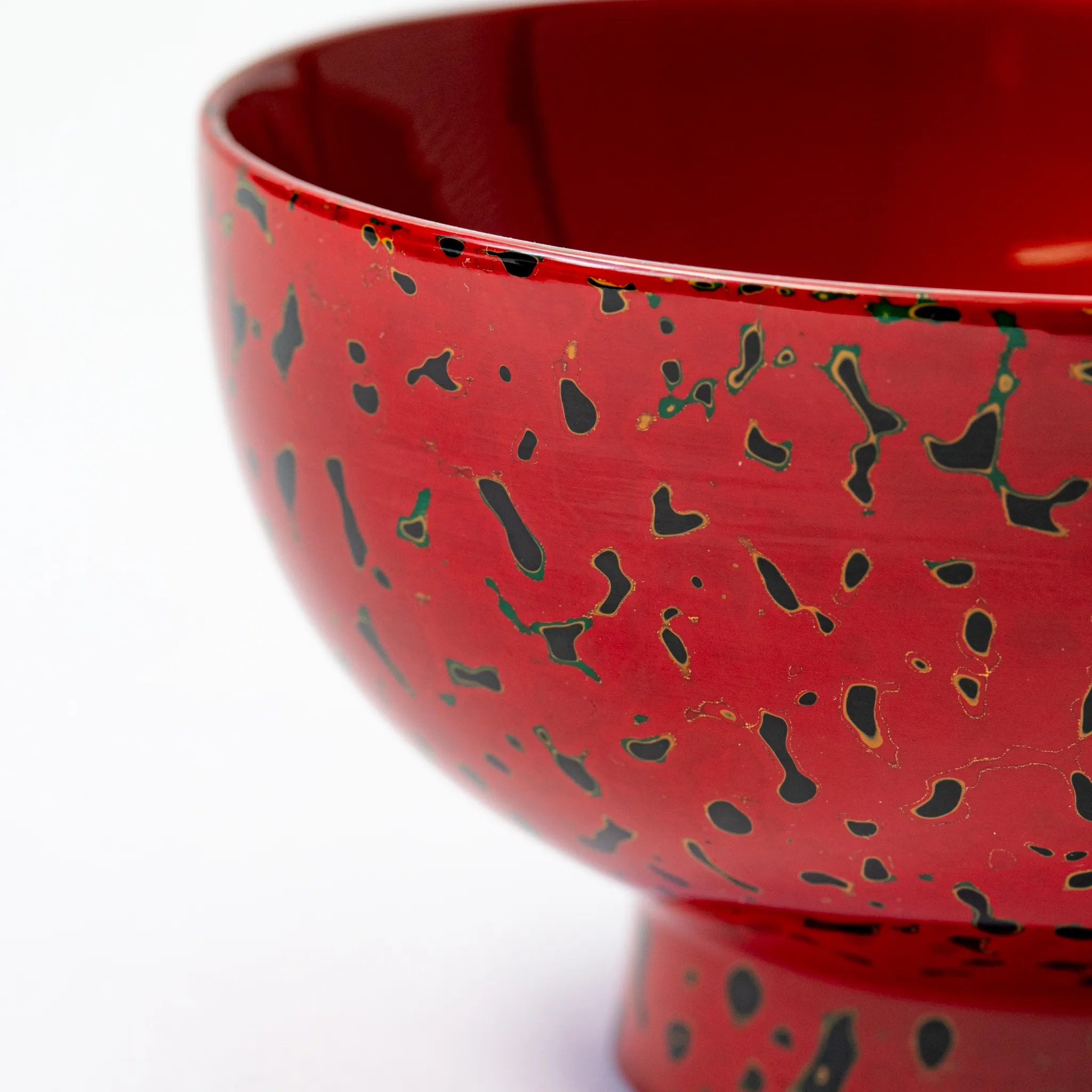
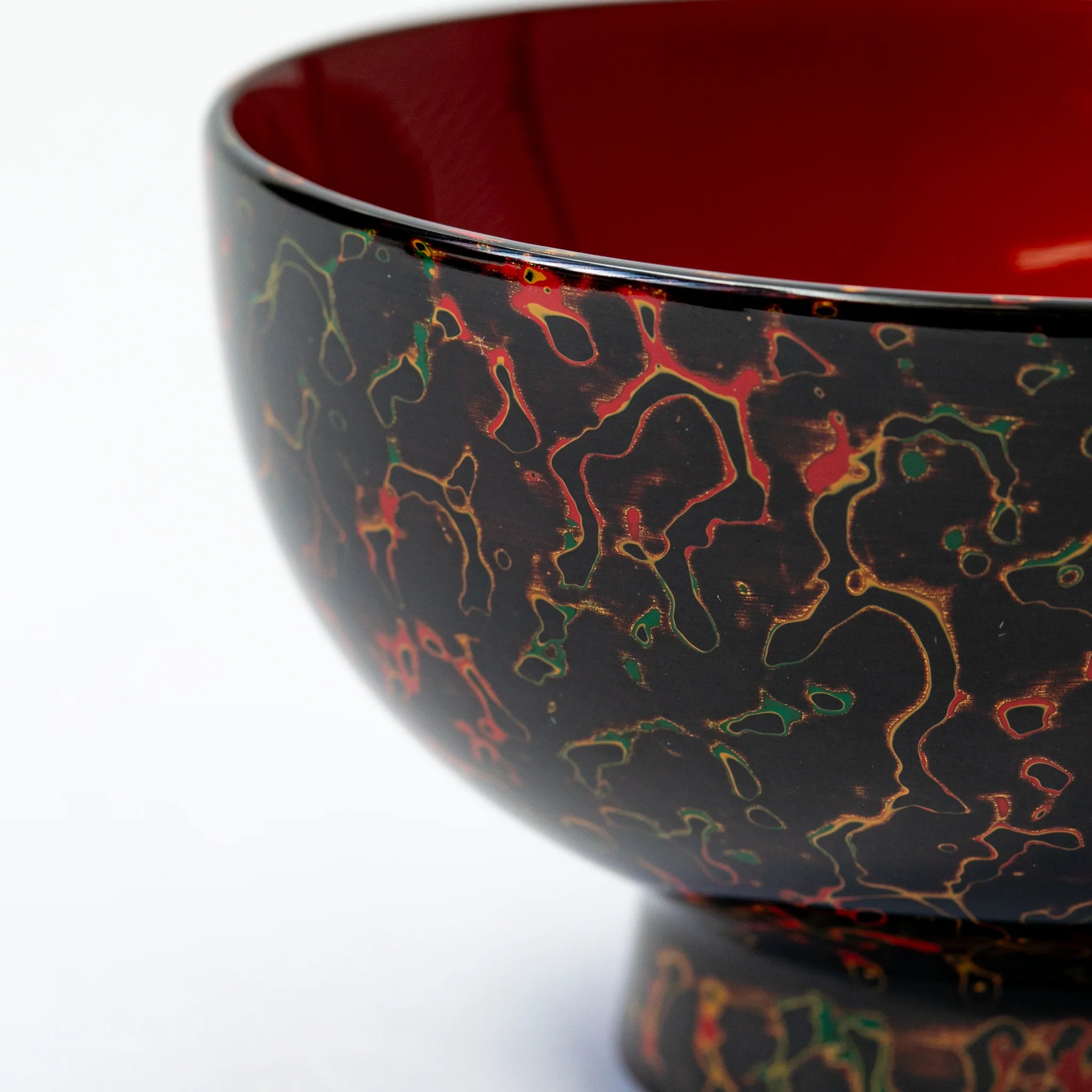
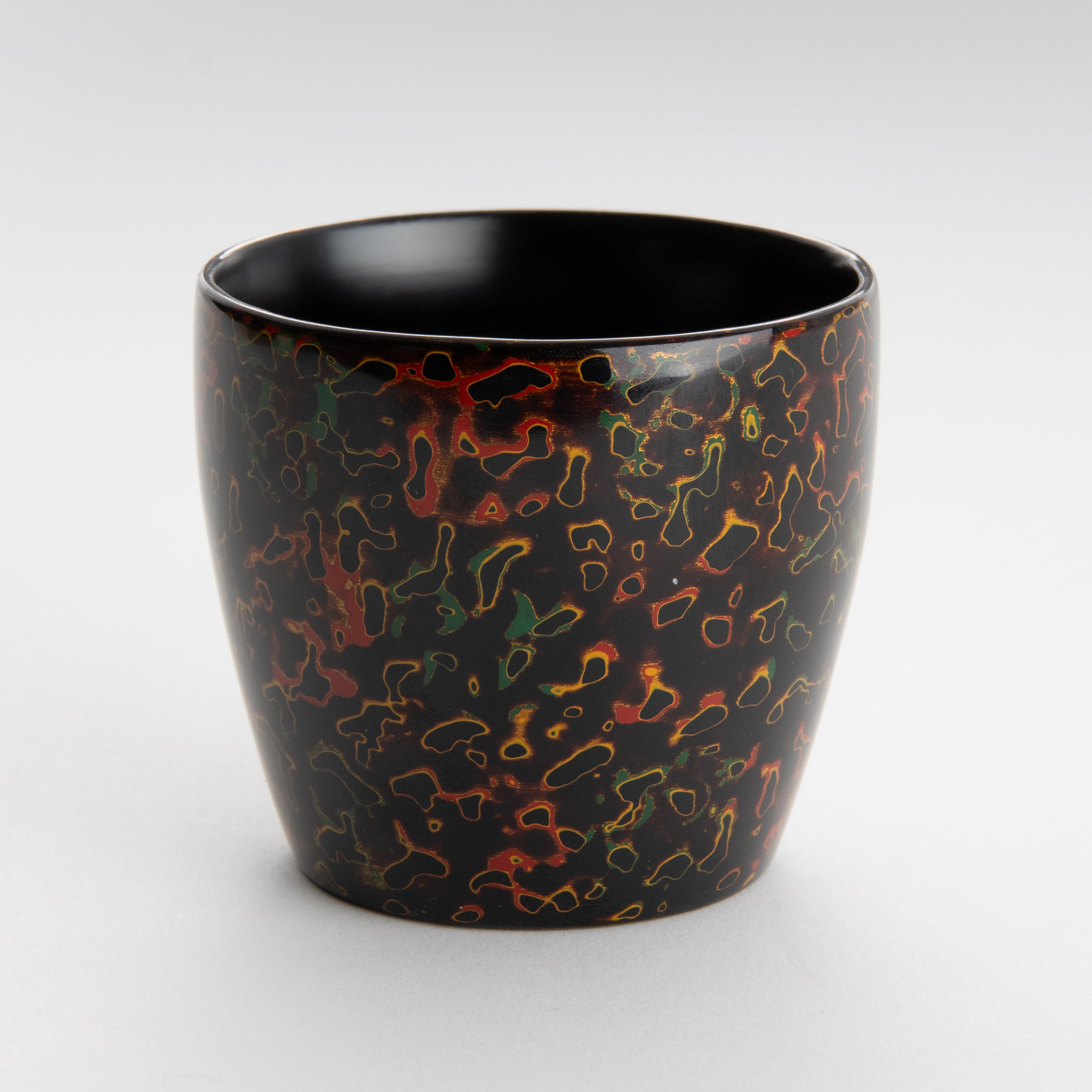
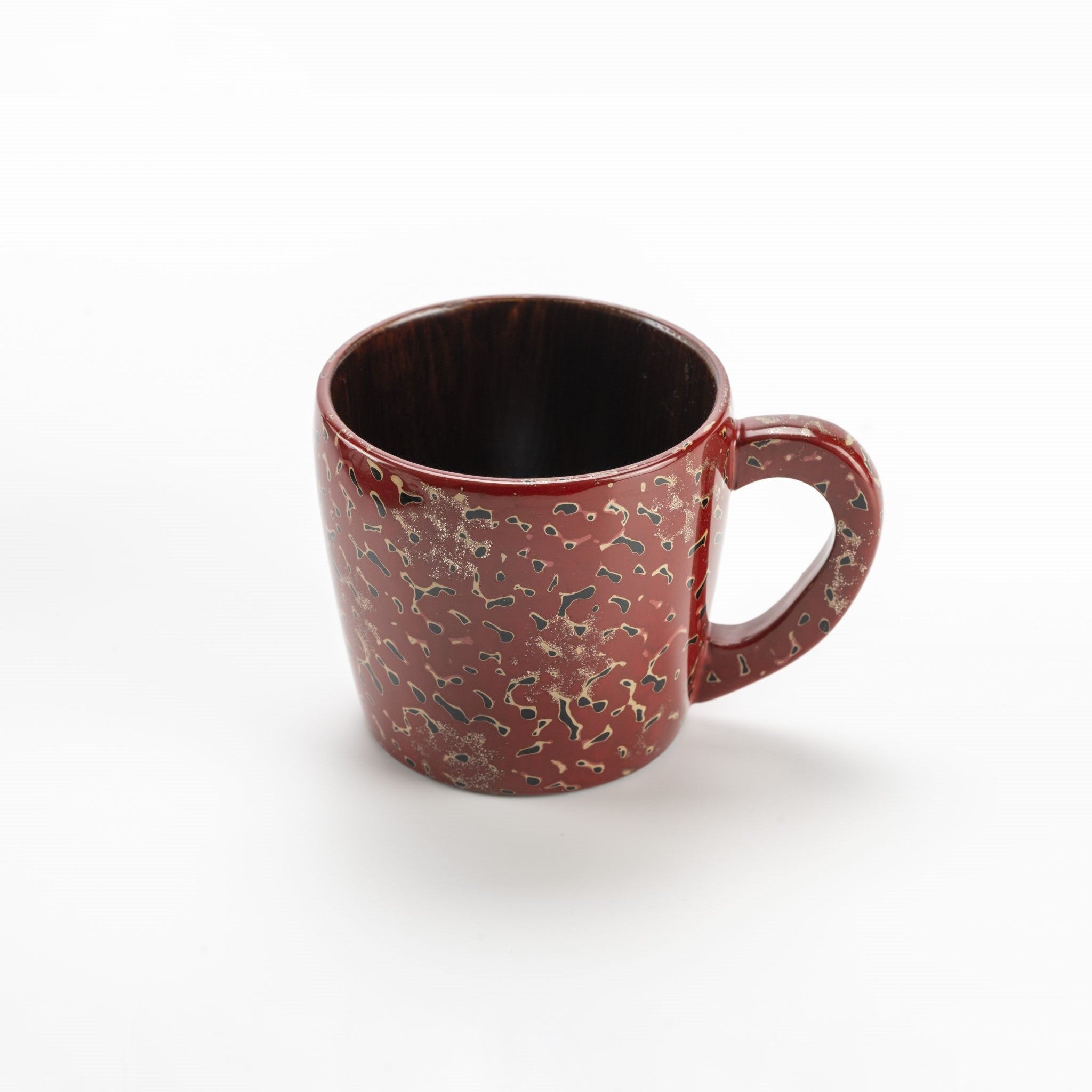
The signature of Kobayashi Lacquerware is the Kara-nuri pattern, a complex, abstract map of color that appears almost organic. Unlike traditional decorative painting, this pattern is created through a "subtractive" process.

-
The Foundation: The process begins with a specialized spatula called the shikake-bera used to apply a thick, mottled layer of lacquer. This creates an architectural landscape of "peaks and valleys" that serves as the blueprint for the final design.

-
The Fool’s Coating: Once this base is cured, the Baka-nuri process truly begins. Over several months, the craftsman applies multiple layers and layers of colored urushi, each requiring its own period of drying in a humidity-controlled environment.

-
The Reveal: The most critical turning point is the Arakasuri, or rough grinding. At this stage, the craftsman uses a whetstone to sand down through the hardened upper layers. Because the very first layer was applied with a specialized spatula to create "peaks" and "valleys," the surface is naturally uneven.

-
The High-Stakes Finish: As the craftsman sands, the whetstone first wears away the "peaks" of the top color, gradually exposing the different colored layers hidden underneath. This is a high-stakes moment, requiring experienced precision. The craftsman must stop at the exact second the intended pattern emerges; sand too lightly, and the colors remain buried, sand just a fraction too deep, and months of painstaking work are permanently erased.
The chemical bonds between dozens of urushi layers result in a surface that is resistant to heat, moisture, and wear from daily use. A Kobayashi piece is not meant to be tucked away in a display case; it is made for the hand, the table, and the decades in between. Over time, the lacquer continues to harden, and the colors grow even more vivid, turning a high-end investment into a lifelong companion, one that grows more beautiful with every year of use.
The Omakase Selection
At Omakase, we are honored to feature the work of Kobayashi Lacquerware. Selecting Kara-nuri is more than an aesthetic choice; it is an investment in a material engineered by time. Unlike mass-produced alternatives, these pieces are designed to breathe and harden with age, ensuring that the vivid patterns only grow more profound through years of consistent use.

The Kara-nuri Bowl
This bowl is defined by its substantial weight and structural strength, intended to be a foundational piece for the table. Its interior depth and curved walls are designed to retain heat, making it as practical for a morning soup as it is for a formal dinner service.
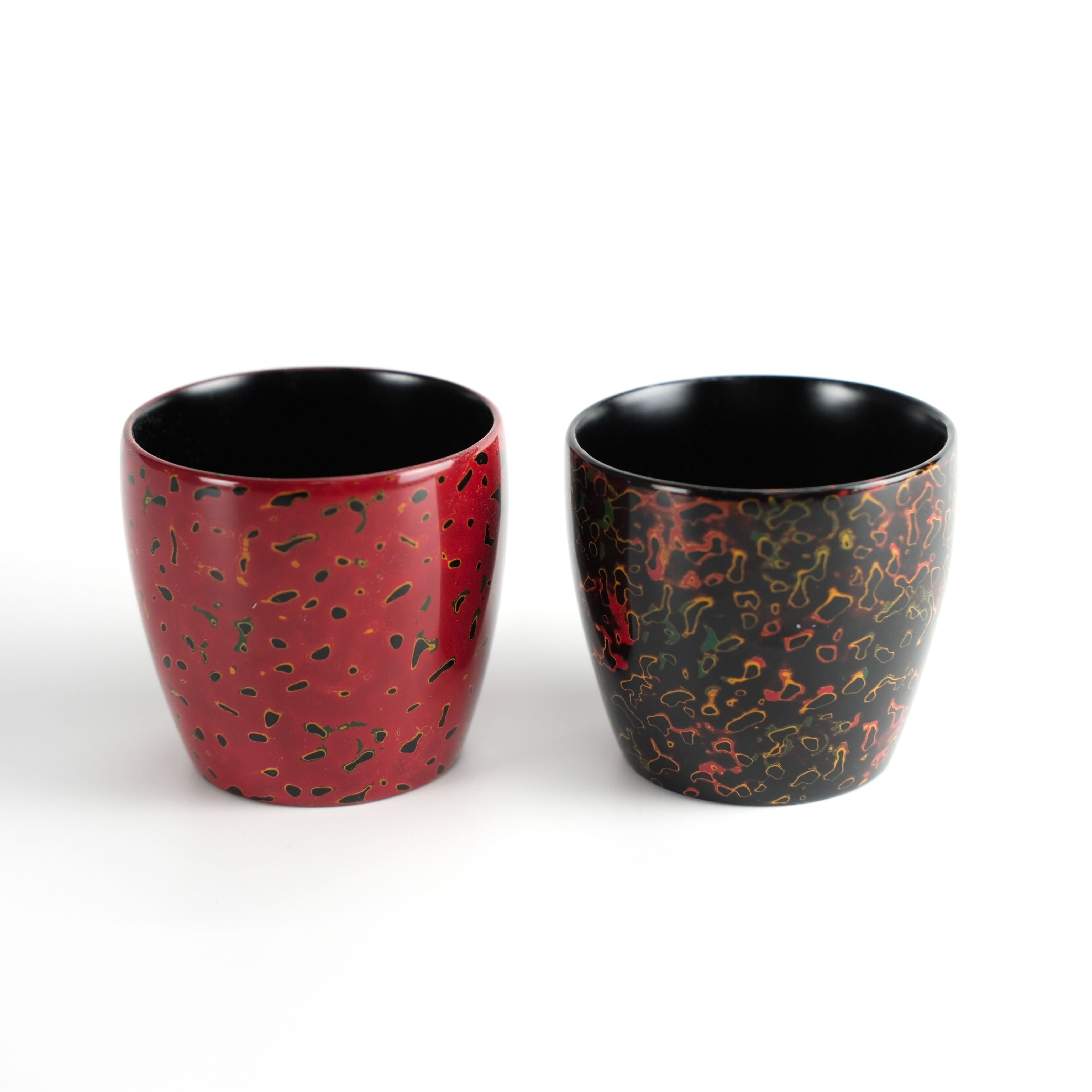
Available in both Red and Black variations.

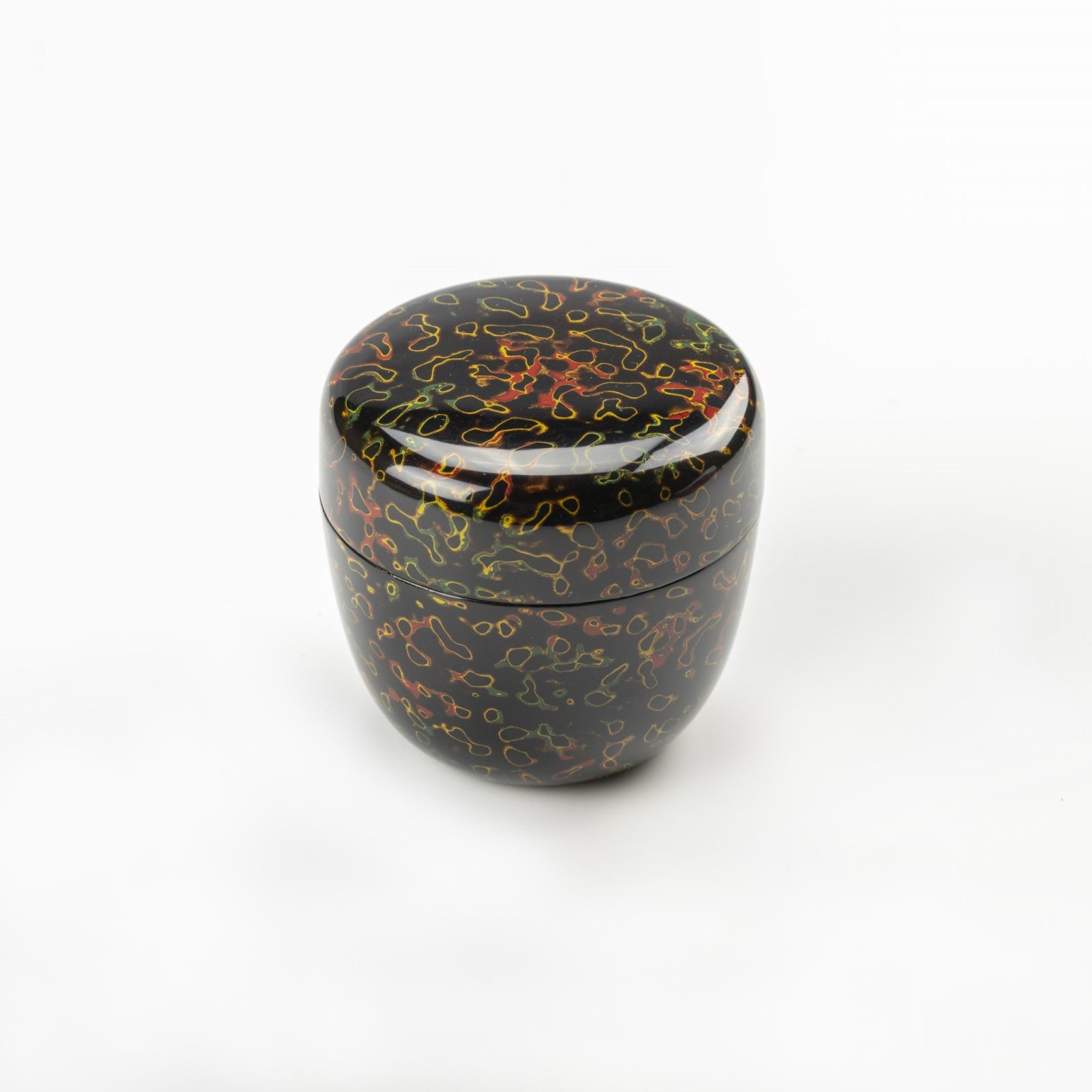
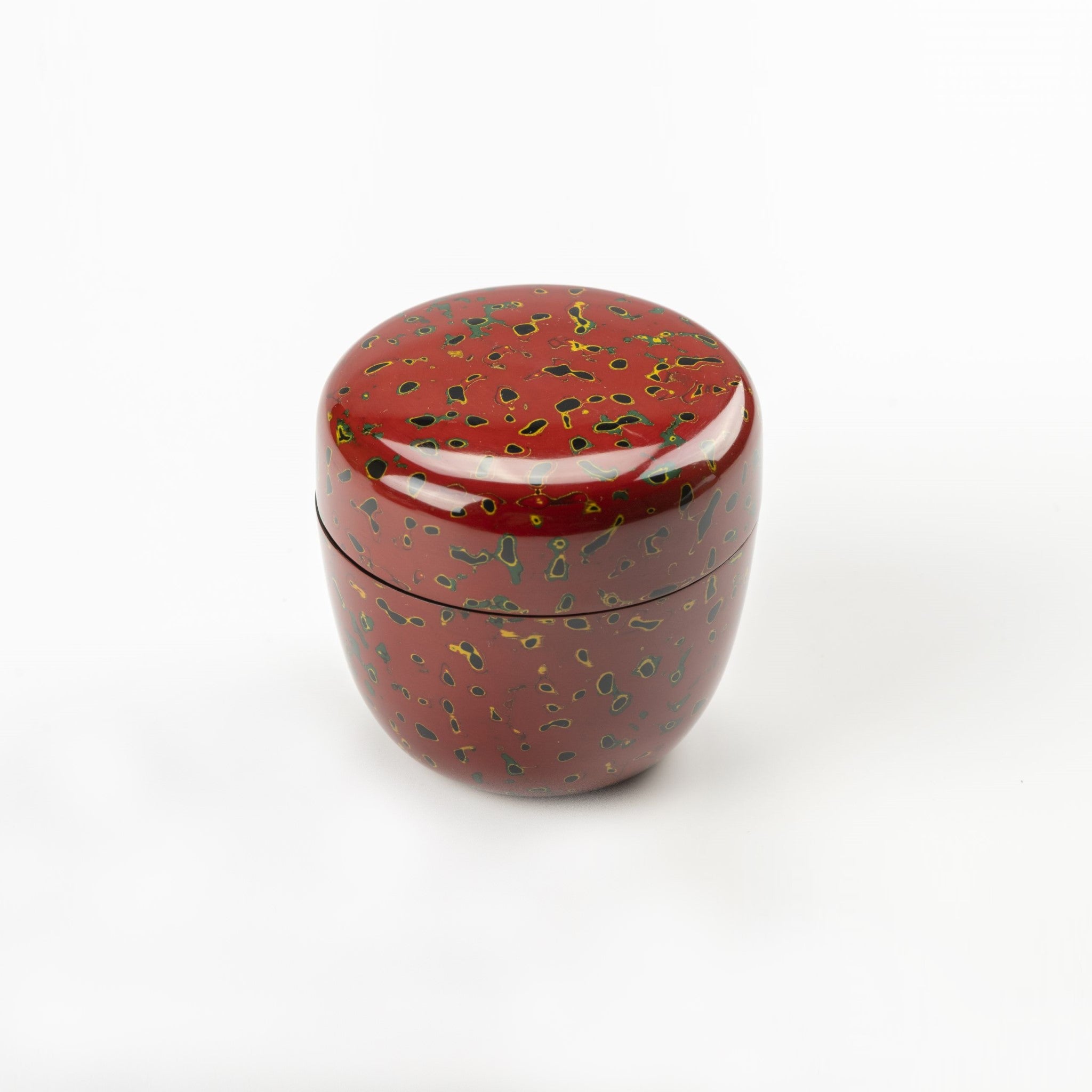
The Kara-nuri Tea Container
Designed specifically for the delicate preservation of matcha, this tea container leverages the natural climate-sealing properties of urushi. The lid and body are meticulously hand-fitted to protect the tea from fluctuations in temperature and humidity. The profound depth of the lacquer provides a sensory focal point for the tea ceremony, offering a striking contrast to the vibrant green of the matcha within.
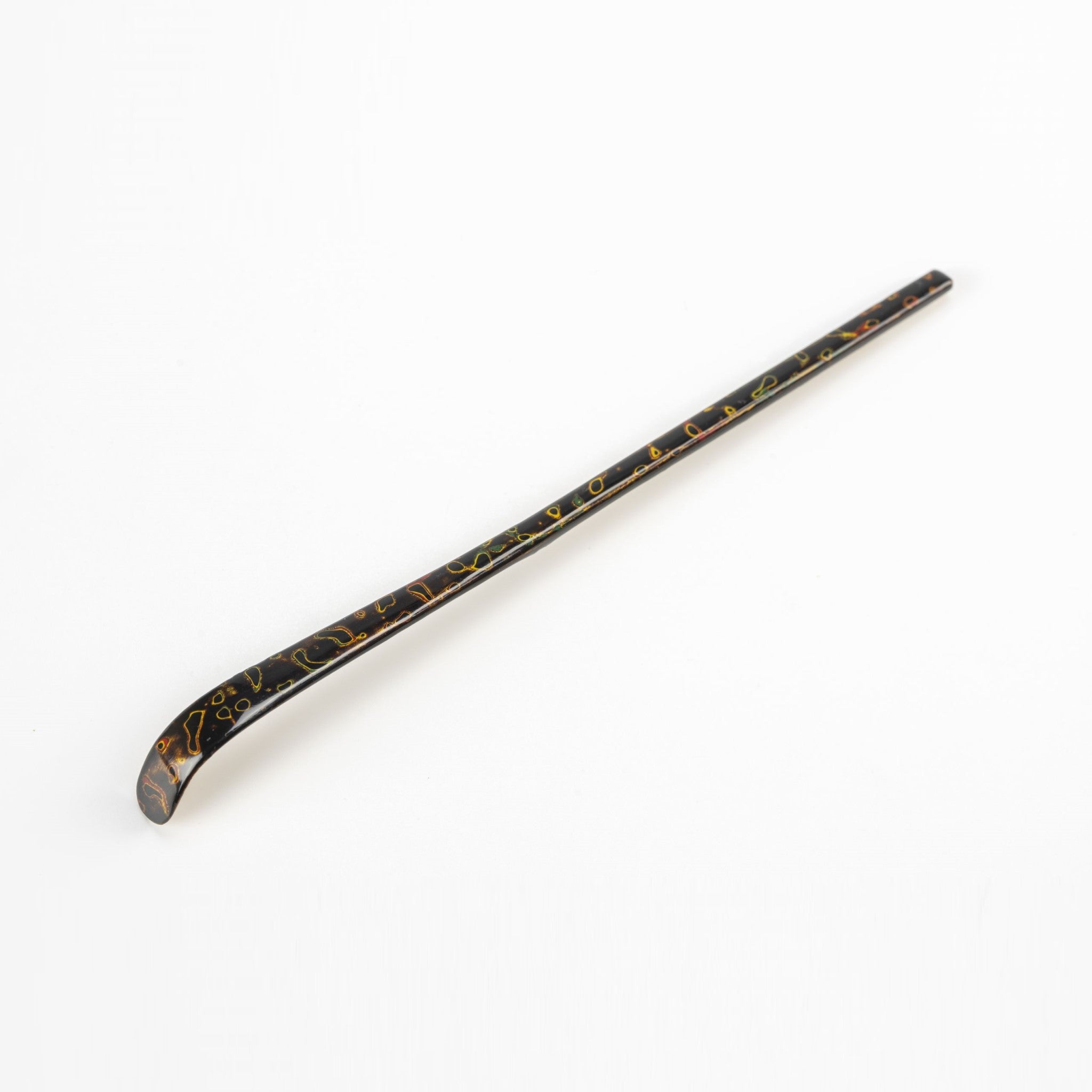
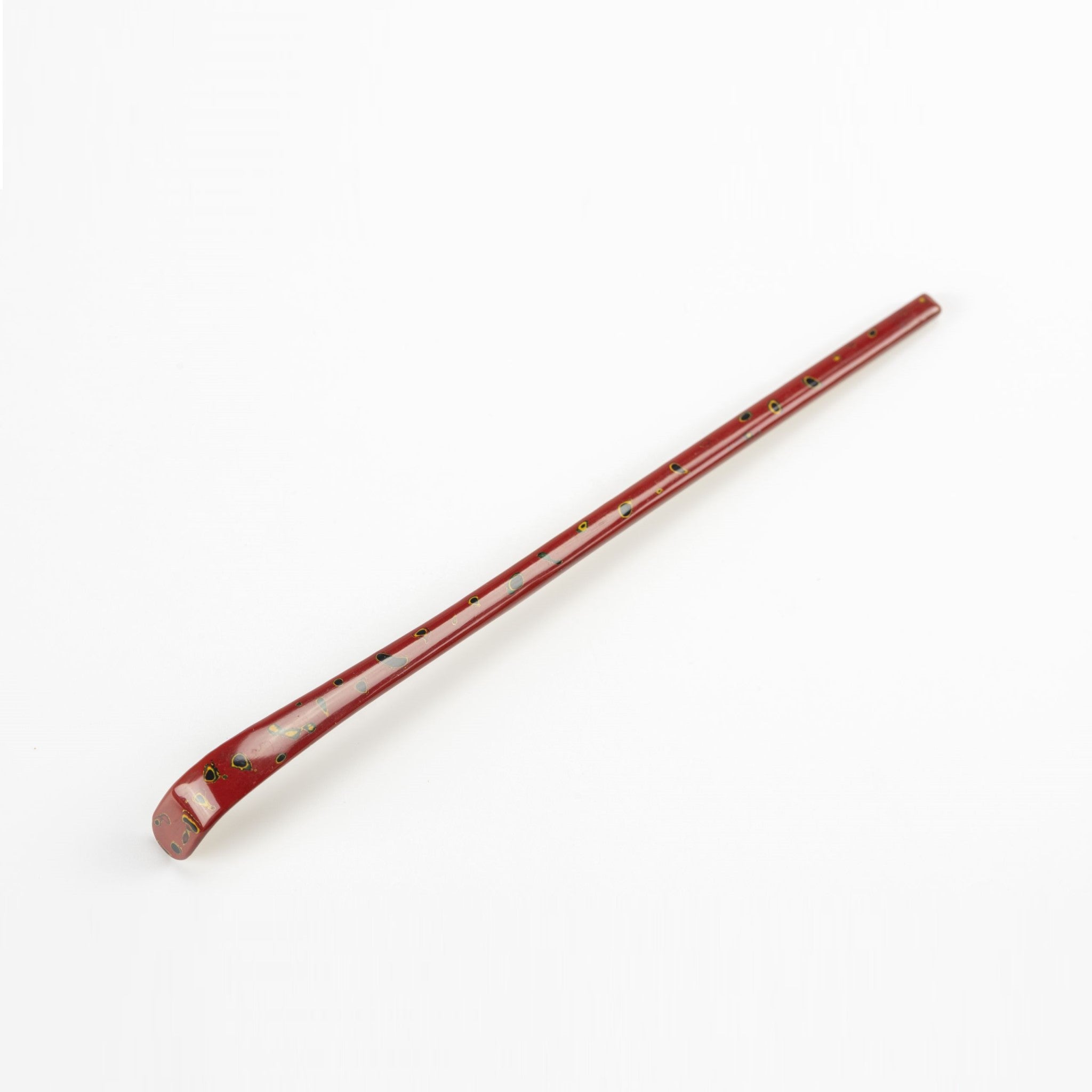
To complete the ritual, this container may be paired with the matching Kara-nuri Tea Scoop.

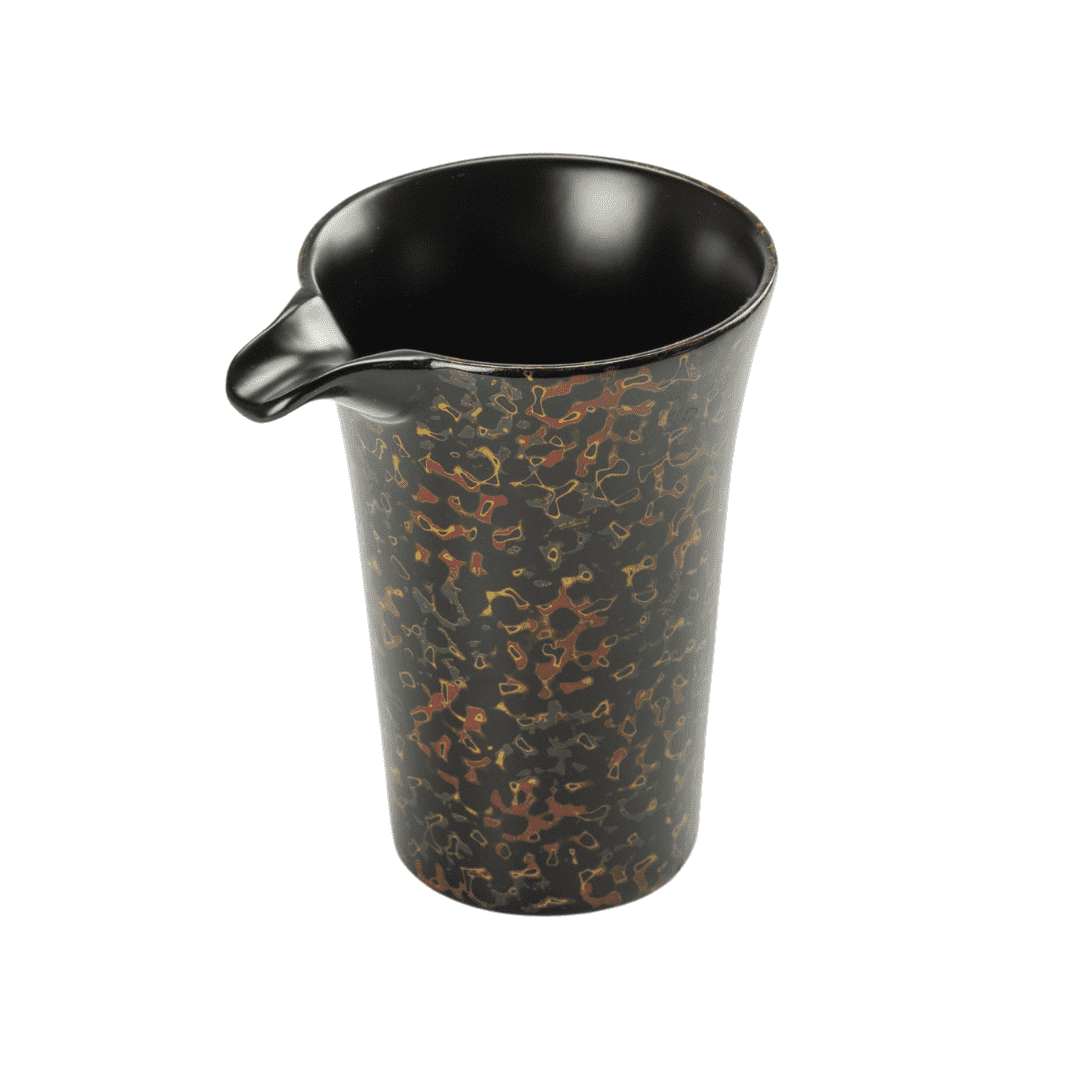
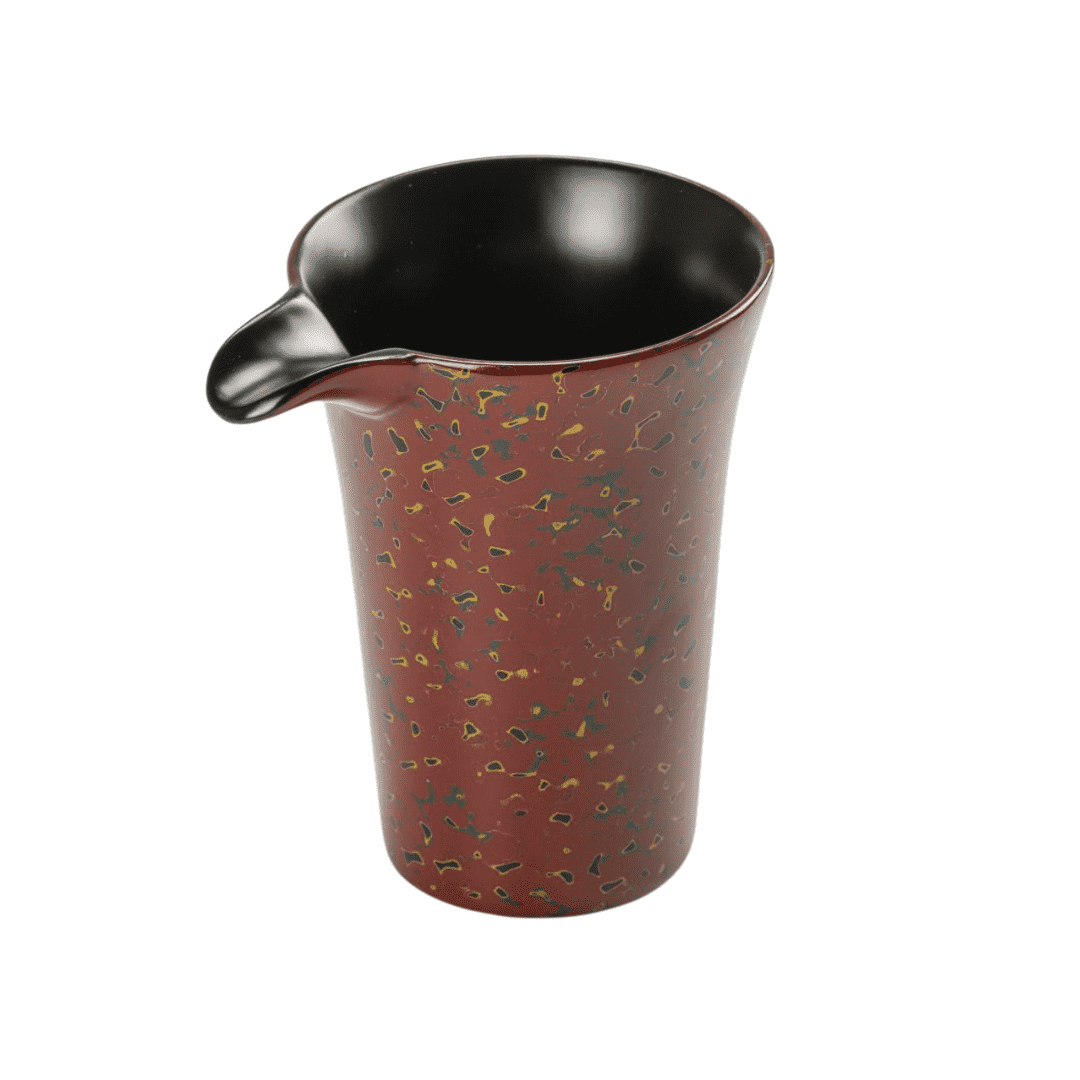
The Katakuchi Sake Pourer
This vessel features the classic katakuchi form, characterized by its wide, open basin and an elegantly tapered spout for a controlled, drip-free pour. The weighted base ensures the vessel remains stable on the table, while the broad surface area allows for a comfortable, steady hold when serving chilled or warmed Japanese sake.
We recommend pairing this piece with the Kara-nuri Sake Cup.

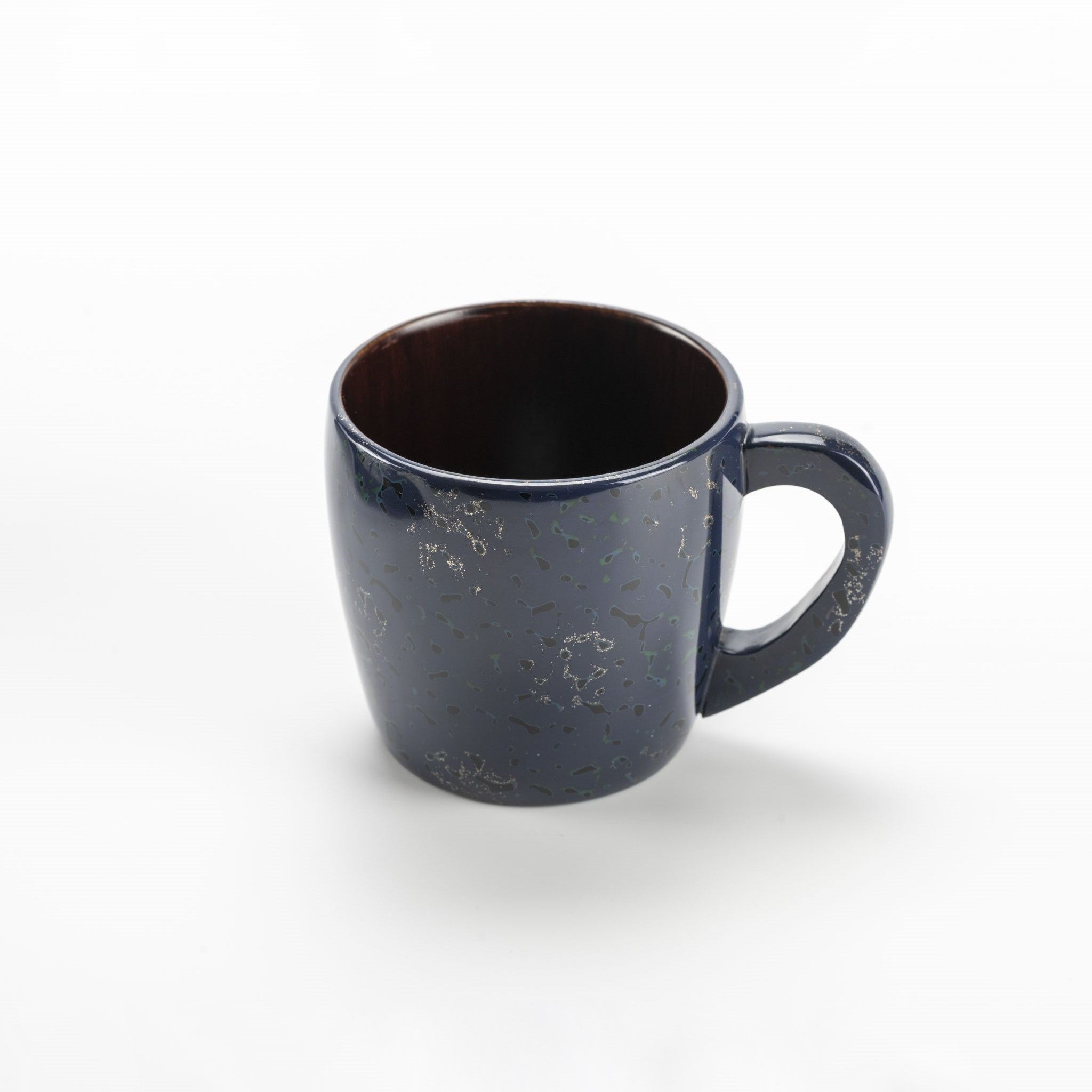
The Karanuri Mug
Where tradition meets the everyday. This mug brings the same depth of Tsugaru-nuri craft to a contemporary silhouette. The material remains cool to the touch even with hot liquids, providing a tactile, comforting experience that glass or ceramic cannot replicate.
The Discipline of Patience
When a craftsman speaks of the difficulty in communicating value, they are referencing the 38 to 48 distinct stages of production and months of work that occur before a piece ever reaches your hands. This duration is not an inefficiency; it is a technical requirement. Natural urushi lacquer cannot be rushed; it demands specific humidity and time to cure properly between every one of its dozens of layers. By the time a piece is finished, it has been handled, sanded, and inspected hundreds of times. For over a century, Kobayashi Lacquerware has preserved this mastery through six generations in Hirosaki, with the same patience and dedication to this craft.