Skip to content

Cart

Your cart is empty

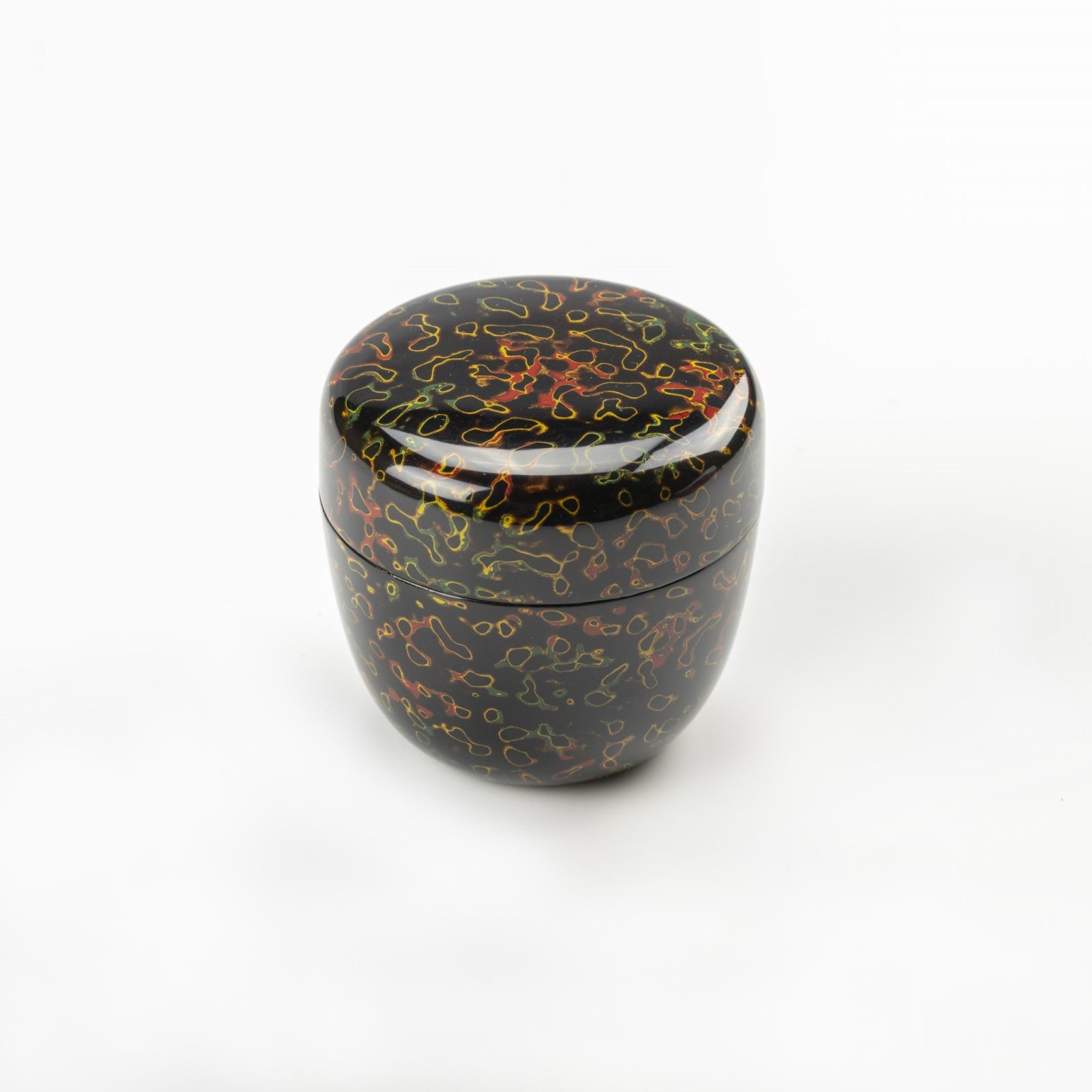
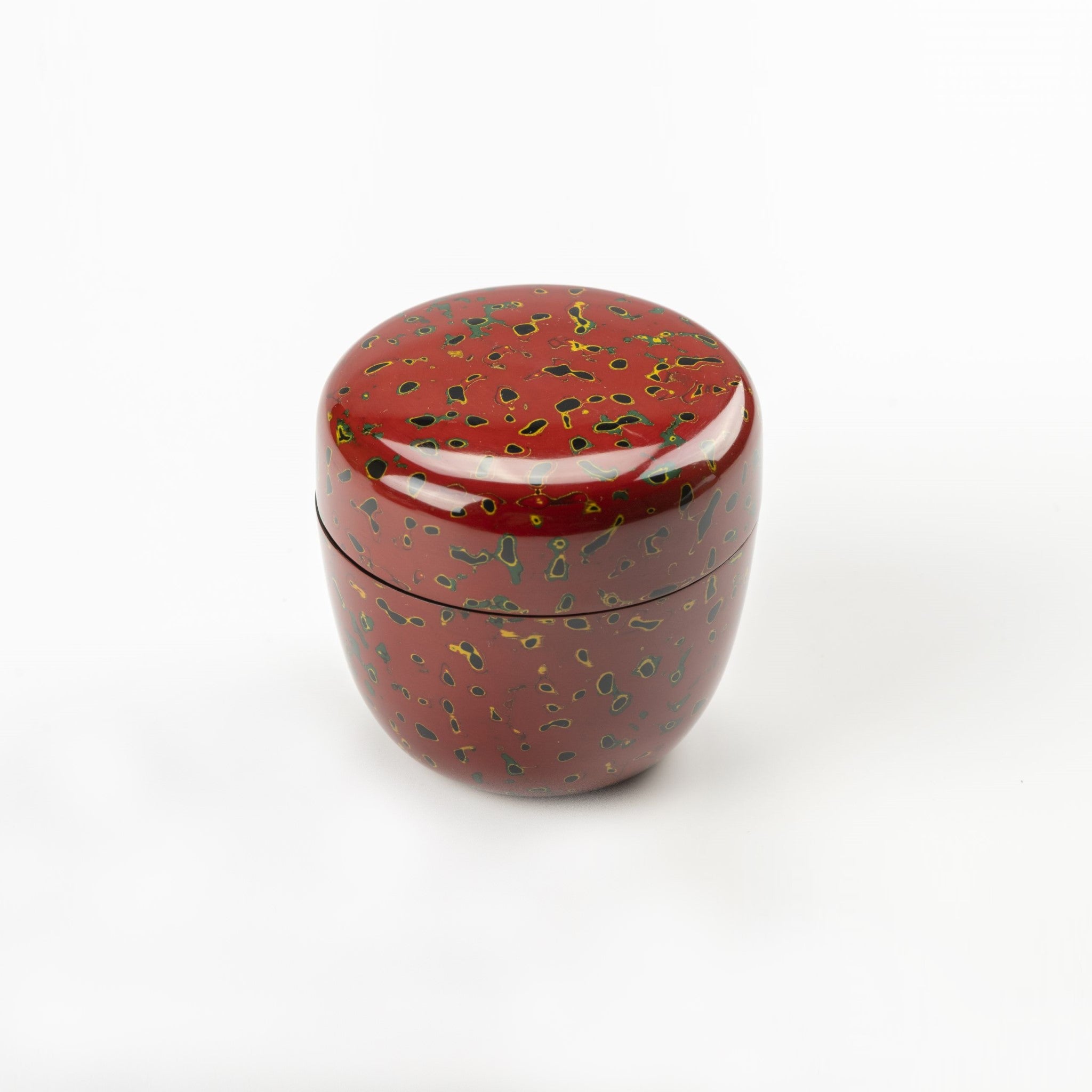
Kara-nuri Tea Container

Sale price$119.00
Color:

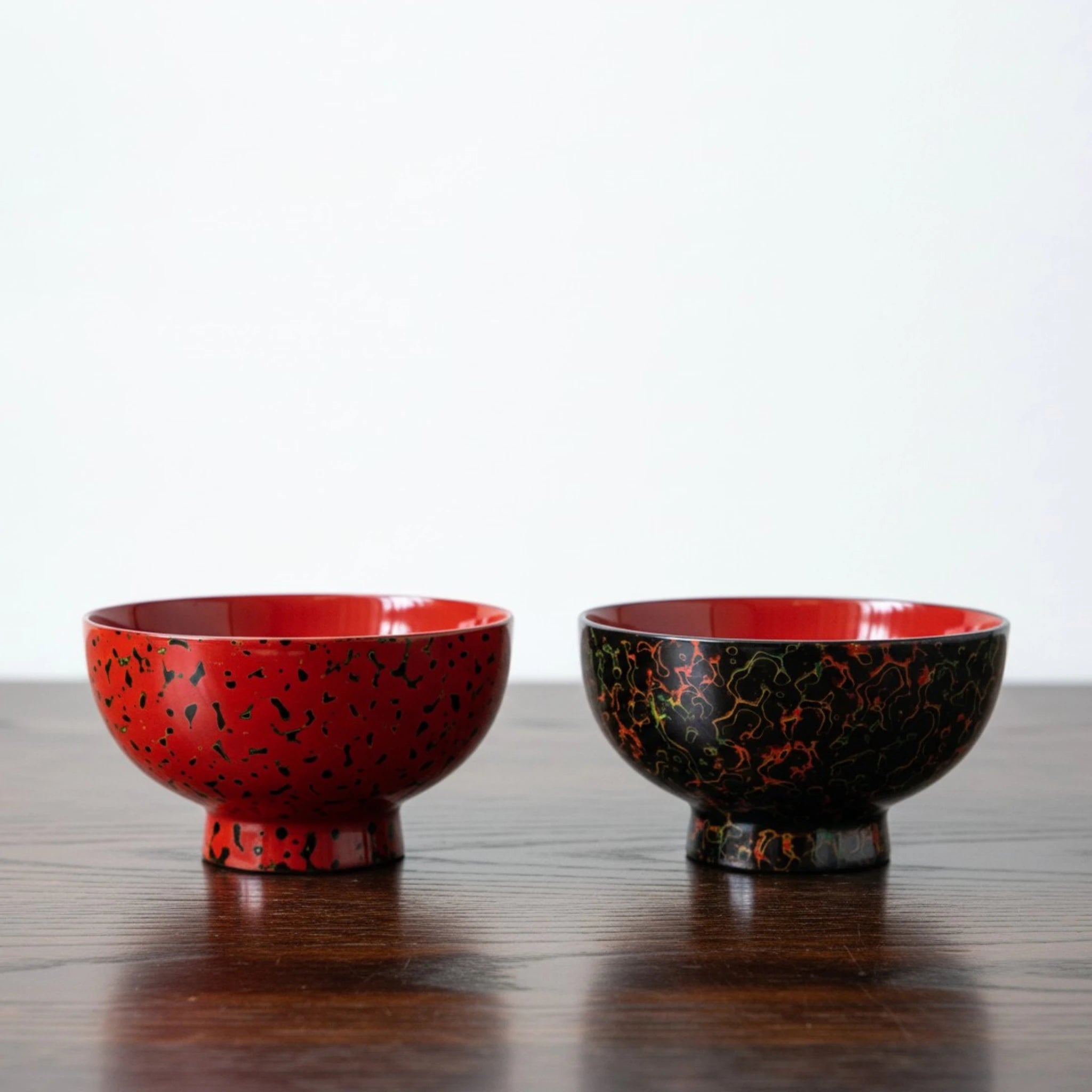
Introducing a traditional tea container that will elevate your matcha experience - this tea container (Natsume) is specially designed to properly preserve matcha, which is sensitive to changes in temperature and humidity. This popular Tsugaru lacquering technique involves applying multiple coats of colored lacquer and meticulous polishing, resulting in a profound and captivating quality. The finishing techniques offer endless possibilities, allowing for varied combinations of colors and patterns.

While handmade, the lid and container are made to fit perfectly through meticulous craftsmanship. You can pair it with Kara-nuri Tea Scoop to enhance your tea experience.

Kara-nuri Tea Container
Kara-nuri Tea Container Sale price$119.00

Meet the Artisan

Kobayashi Lacquerware

Kobayashi Lacquerware traces its origins to the early 19th century, when the Kobayashi family began working with Tsugaru lacquerware in the historic town of Hirosaki. The studio’s founding predates the Meiji era, emerging around 1830 as a regional workshop dedicated to mastering the laborious layering, sanding, and polishing processes integral to authentic Tsugaru urushi lacquerware.

Across six generations, the Kobayashi atelier has preserved the core techniques of the craft while also subtly refining them. Successive family members have apprenticed deeply in both production and design, ensuring continuity of methodology. Today, leadership has embraced a careful balance between honoring tradition and exploring new expressions — including interior pieces and everyday objects that resonate with modern lifestyles while remaining faithful to the time‑intensive lacquer process.

Every piece in the Kobayashi Lacquerware collection reflects this lineage of discipline and refinement. They are handcrafted with attentive layering and polishing, using regionally sourced materials and techniques passed down through the family. The result is not only durable lacquerware but a lived connection to Tsugaru’s enduring cultural heritage — objects that enrich daily rituals and convey a quiet yet profound sense of place.