Crafting Atmosphere through Japanese Textile
The use of textiles as a structural element in interior design is a practice woven into cultures across the globe. In Morocco, heavy hand-woven textiles are hung upon walls to anchor a room with warmth and a sense of softness. In France, the traditional portière, a weighty curtain draped over a doorway, serves as a dual-purpose anchor: it acts as a protection against the winter chill as well as a privacy barrier, all the while being carefully selected to elevate the room’s interior character. Even the standard curtains in a modern home are part of this universal tradition: the use of fabric to meet a functional need as well as to enhance the feeling of a space.
Japan is no exception; throughout its history, interior design has utilized fabric in various ways to serve as functional decor, addressing a specific need while enhancing the room's visual aesthetic. Today, we will explore how Japan integrates fabric and textiles into the home.
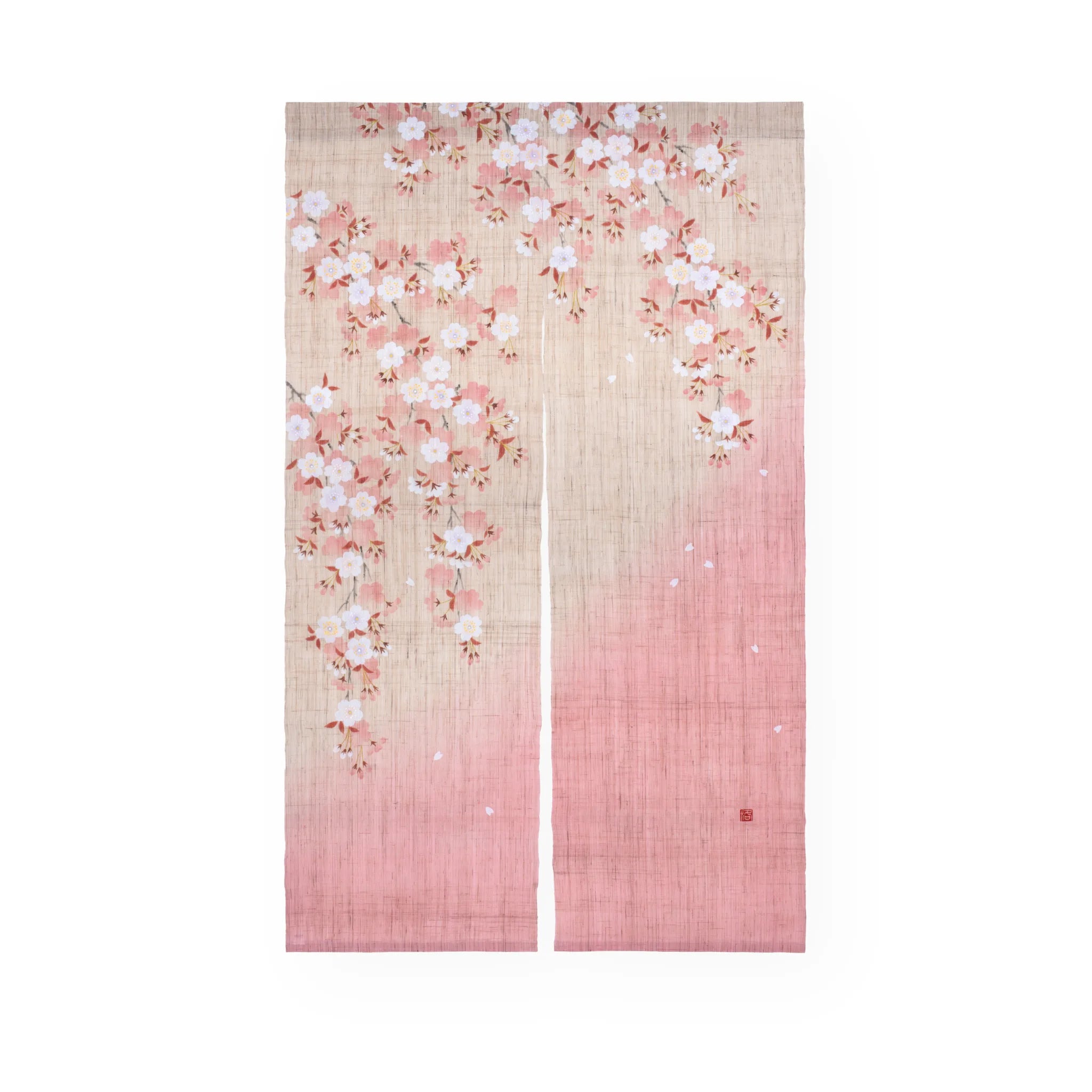
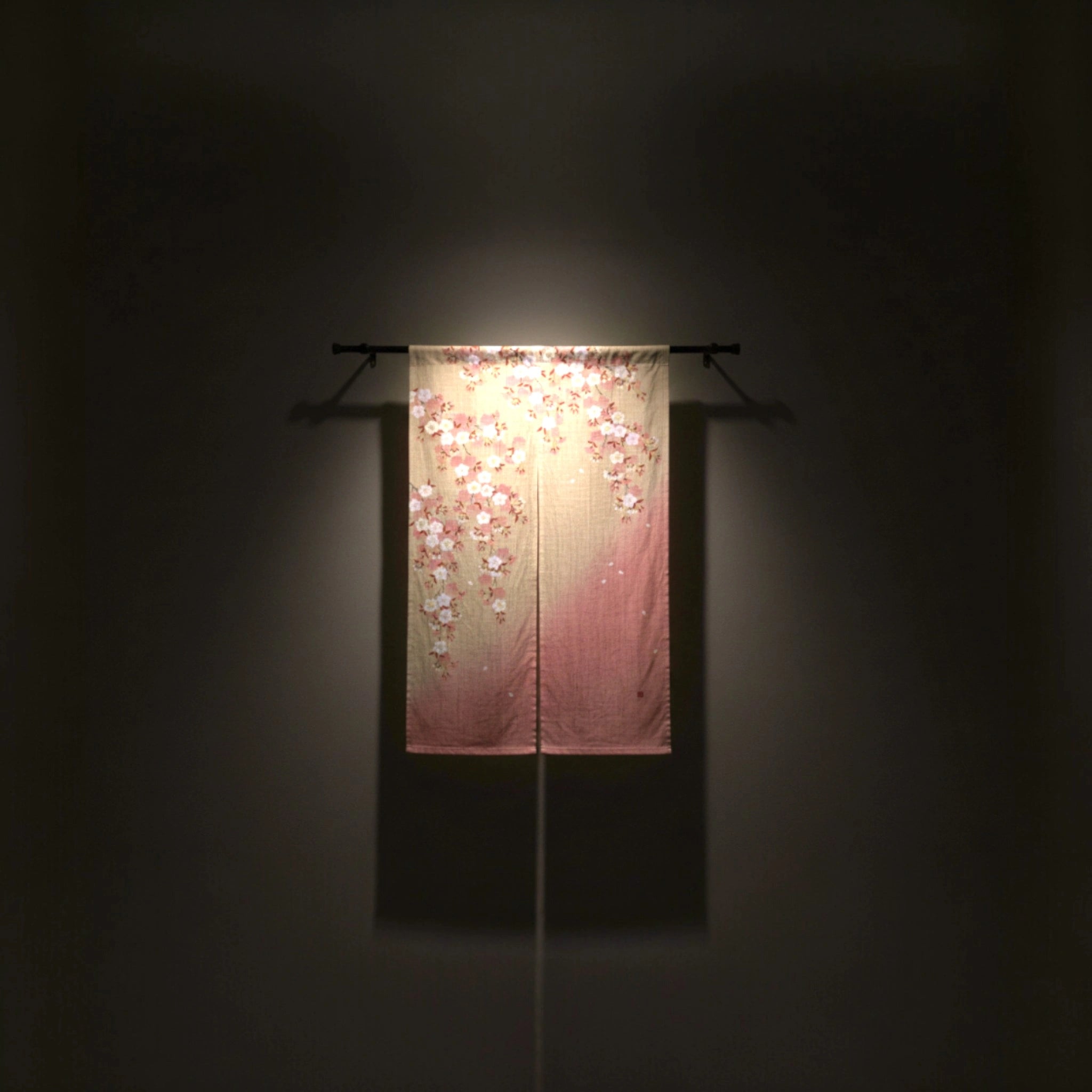
 Hand Painted Noren Mountain Village Cherry Blossoms | Kyoto Rakushian
Soft Boundaries of Noren
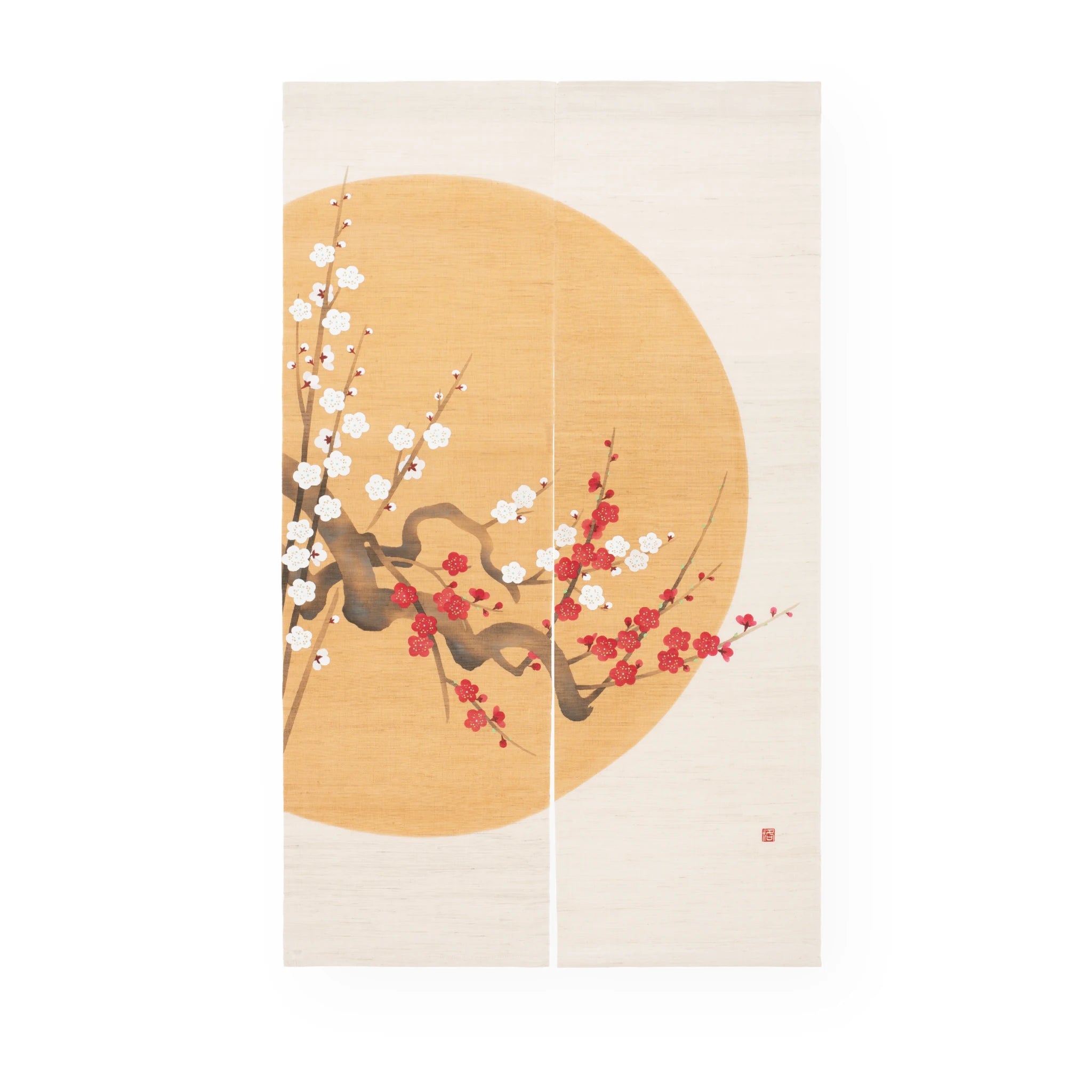
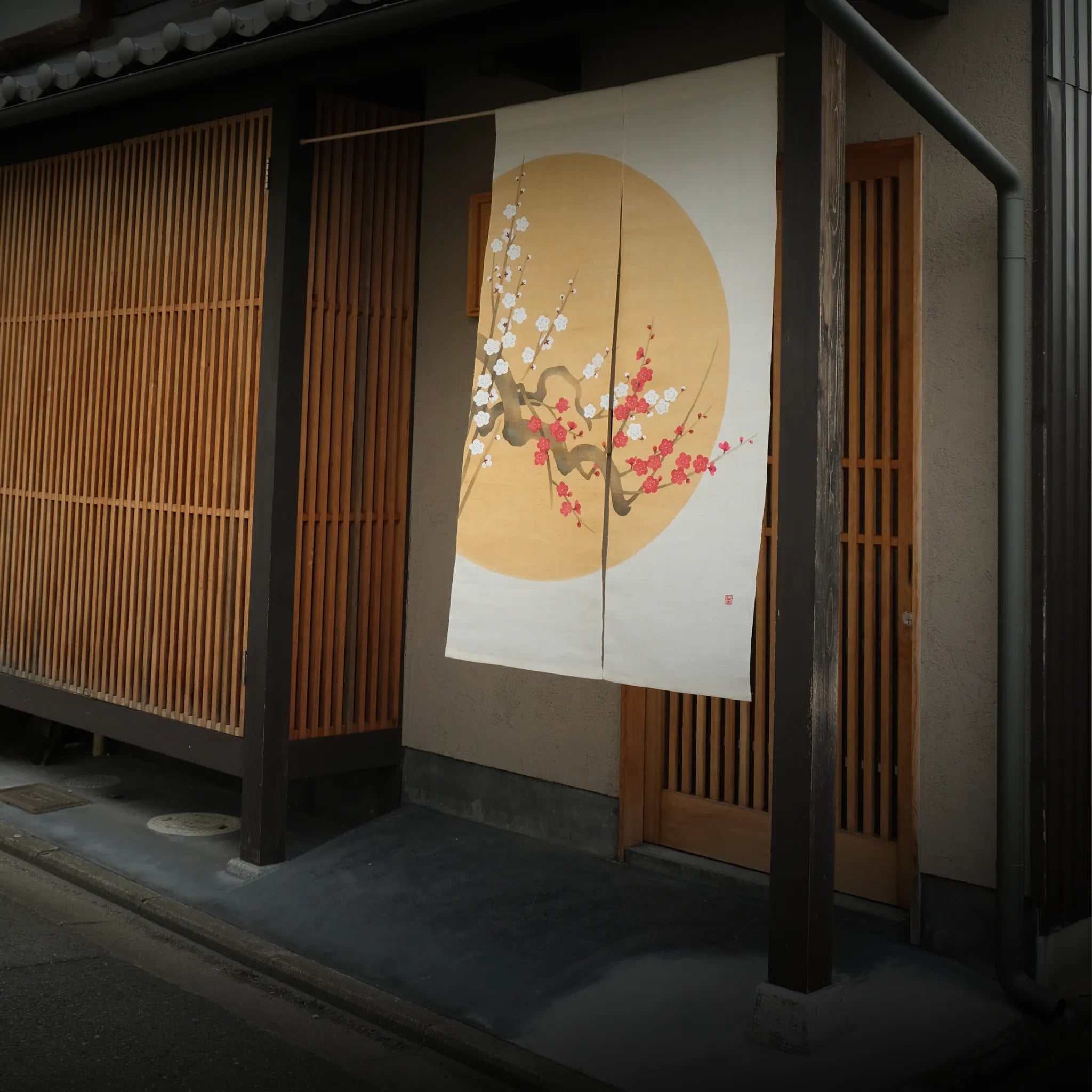
In the Japanese home, the noren serves as a soft architectural boundary. While traditionally used by merchants to signal a shop was open for business, its role within a private residence is far more nuanced. Kyoto Rakushian continues this legacy by crafting noren from hand-spun, hand-woven linen, a material prized for its translucence and a rhythmic irregularity in the weave that brings a sense of calm to a room.
 Linen is a seasonal essential in Japanese interior design, valued for its breathability and crisp texture. During warmer months, a linen noren replaces the weight of a wooden door, allowing air to circulate freely while filtering harsh sunlight into a soft, diffused glow.
A noren hung in a doorway or used to subtly partition a kitchen from a dining area provides a visual break that feels light and intentional. Adorned with seasonal motifs such as the iconic Japanese cherry blossoms for spring or green maple leaves for summer, the fabric serves as a rotating canvas, keeping the home in alignment with the shift of the season.
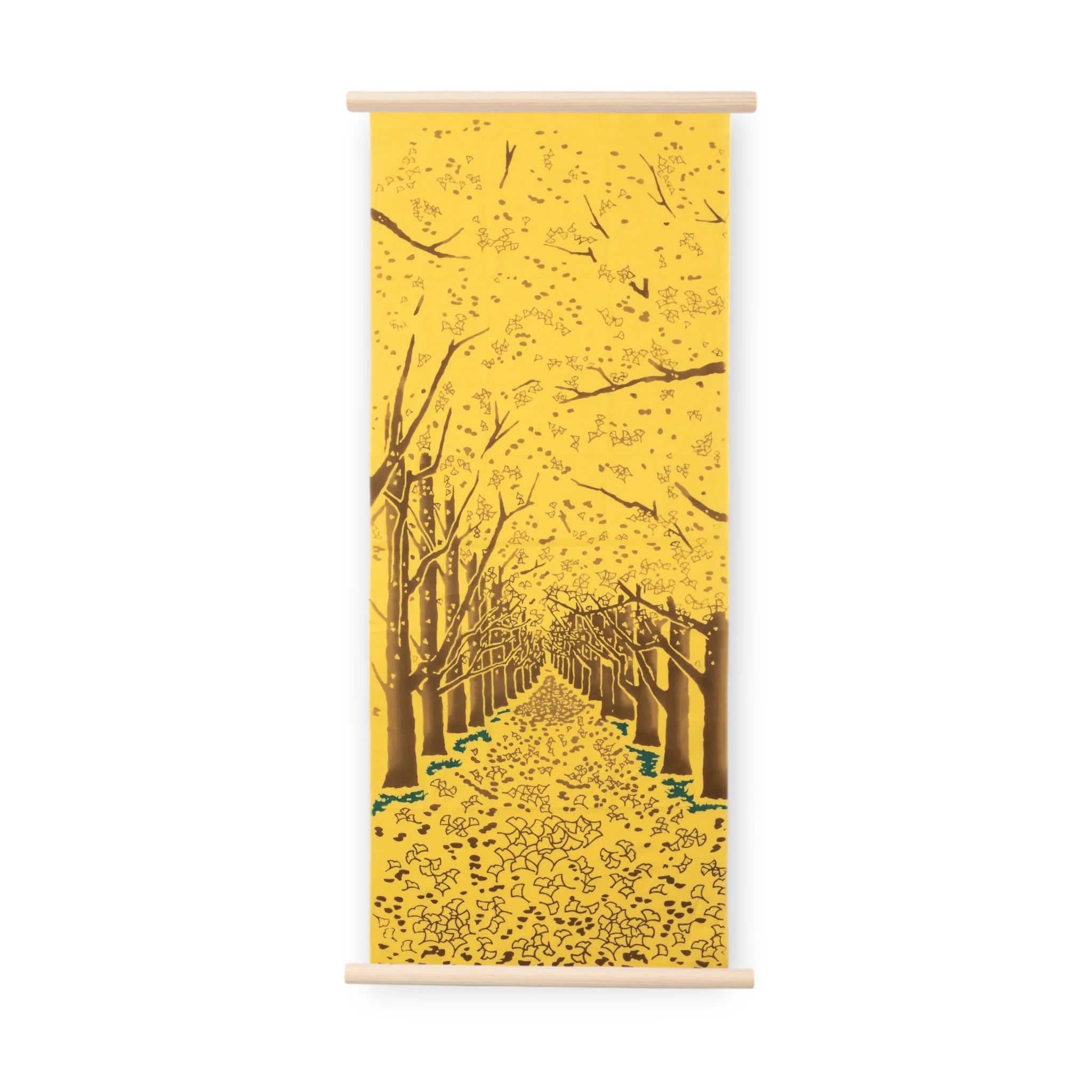
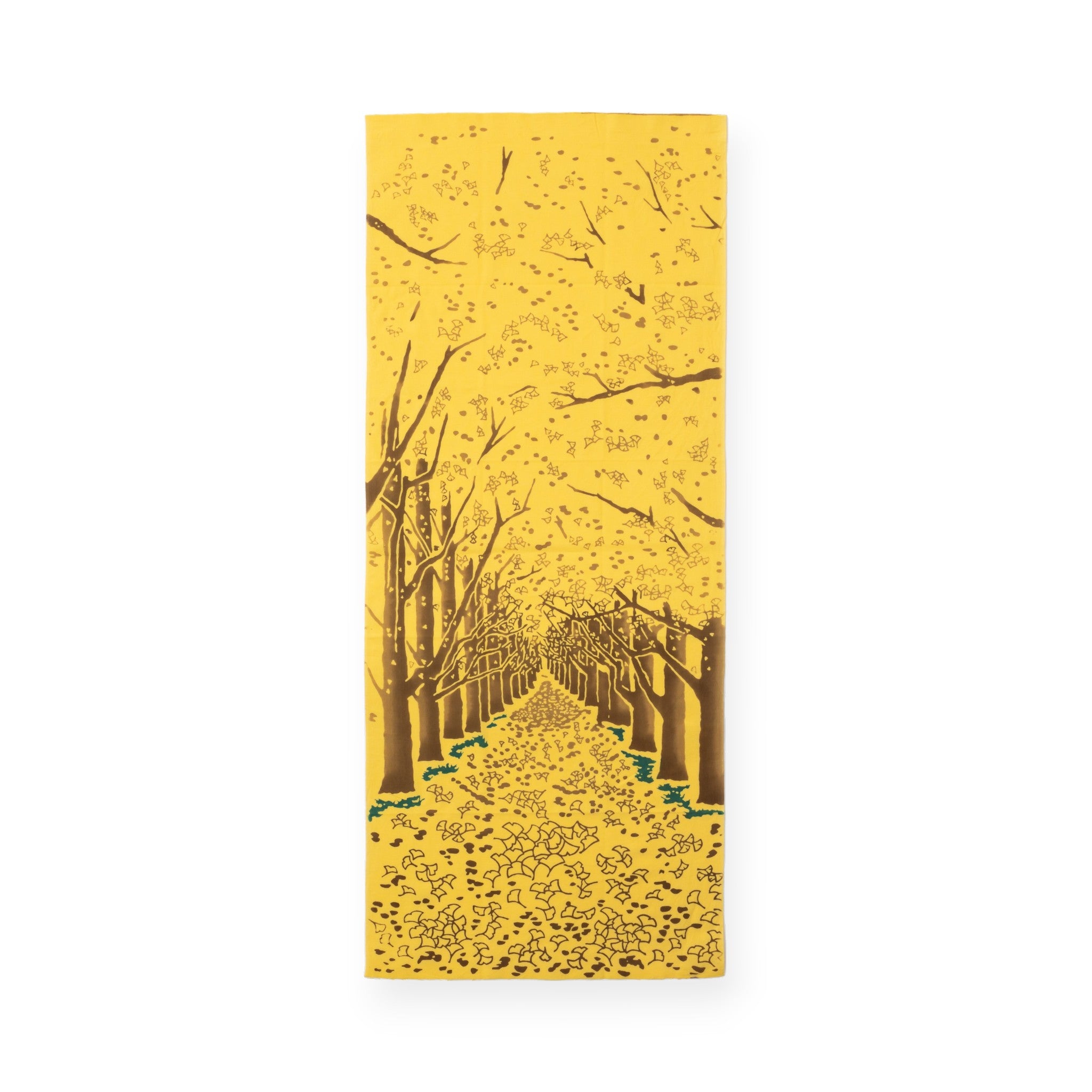
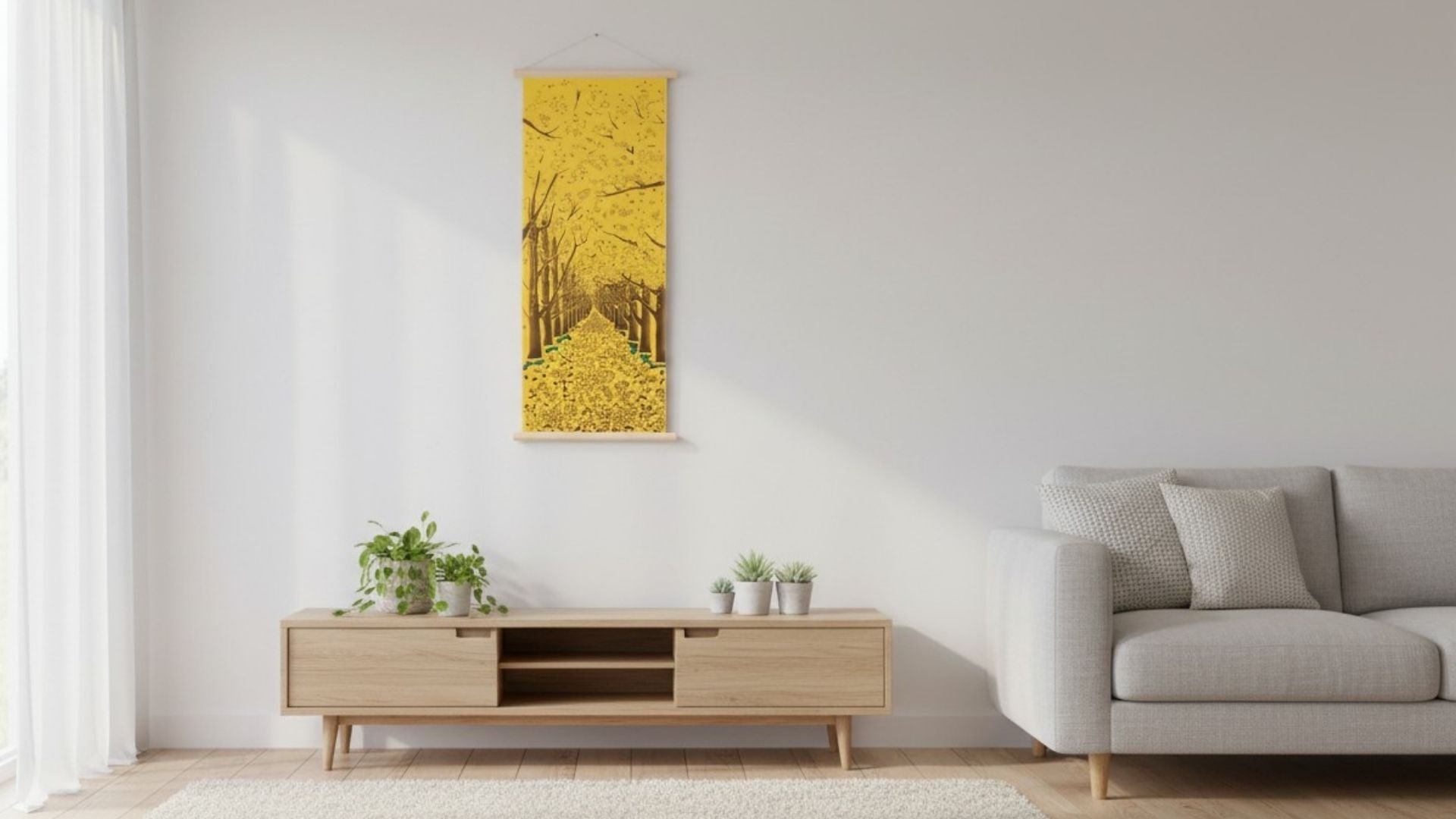
 Ginkgo Avenue Tenugui and Display Rods Set | Rienzome
The Versatility of Tenugui
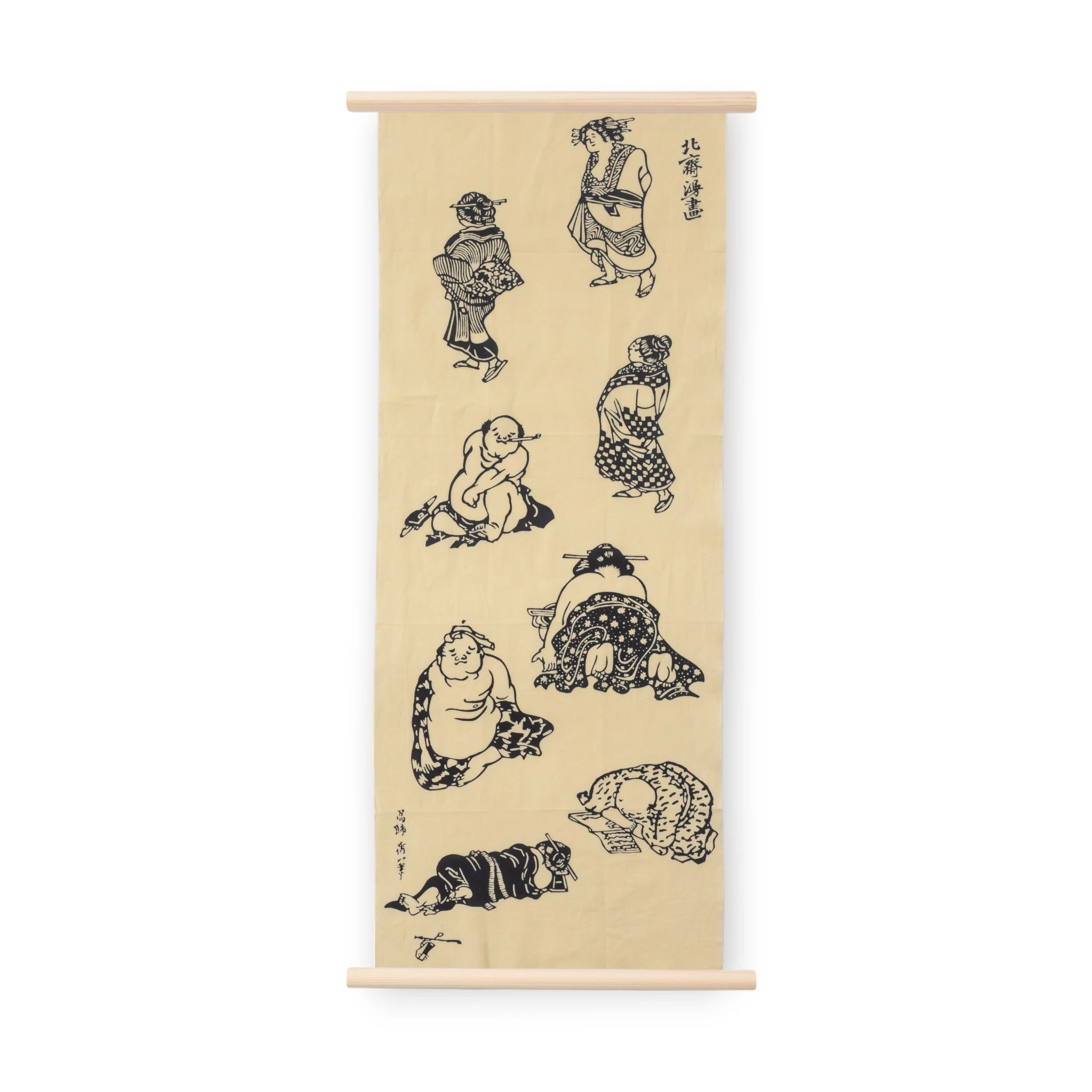
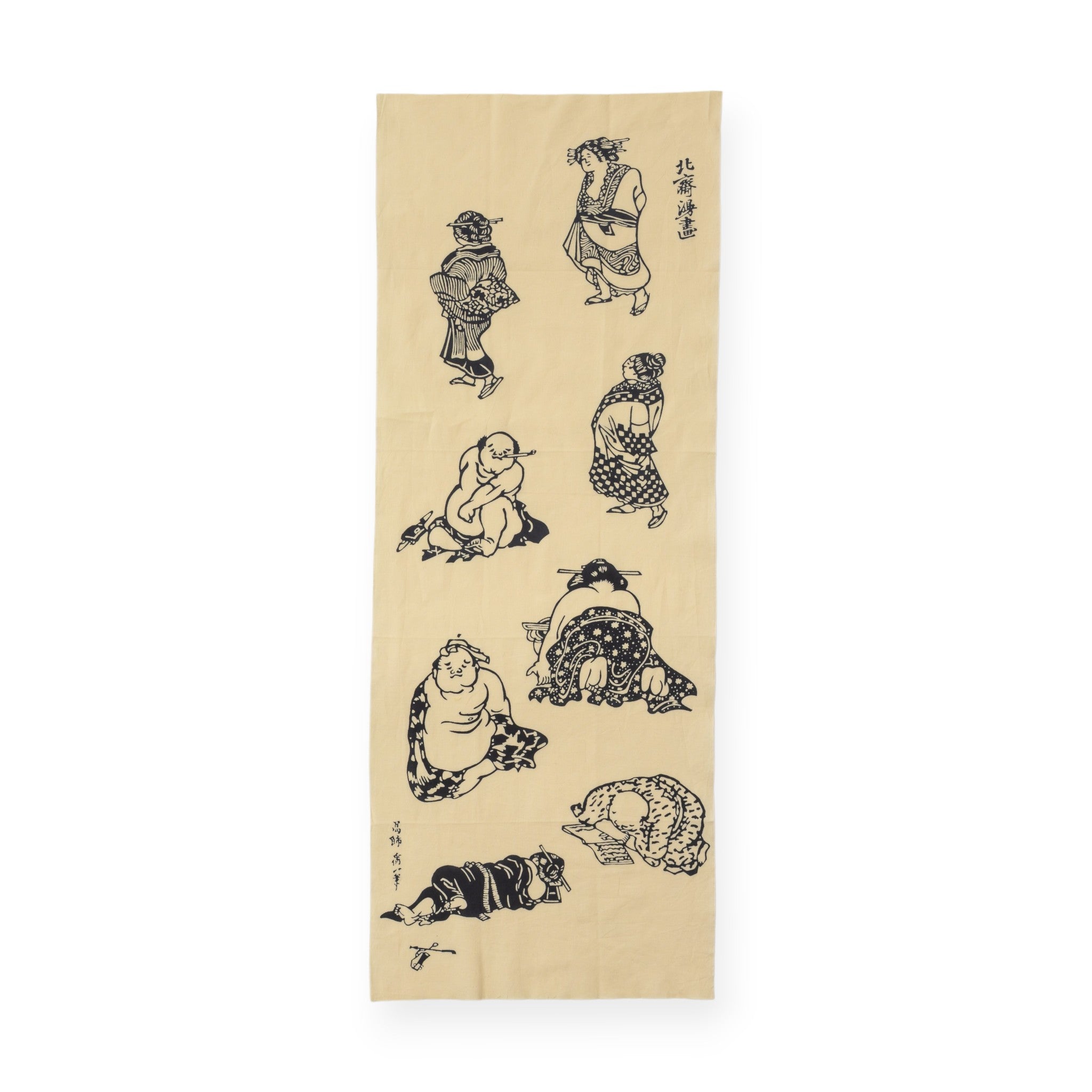
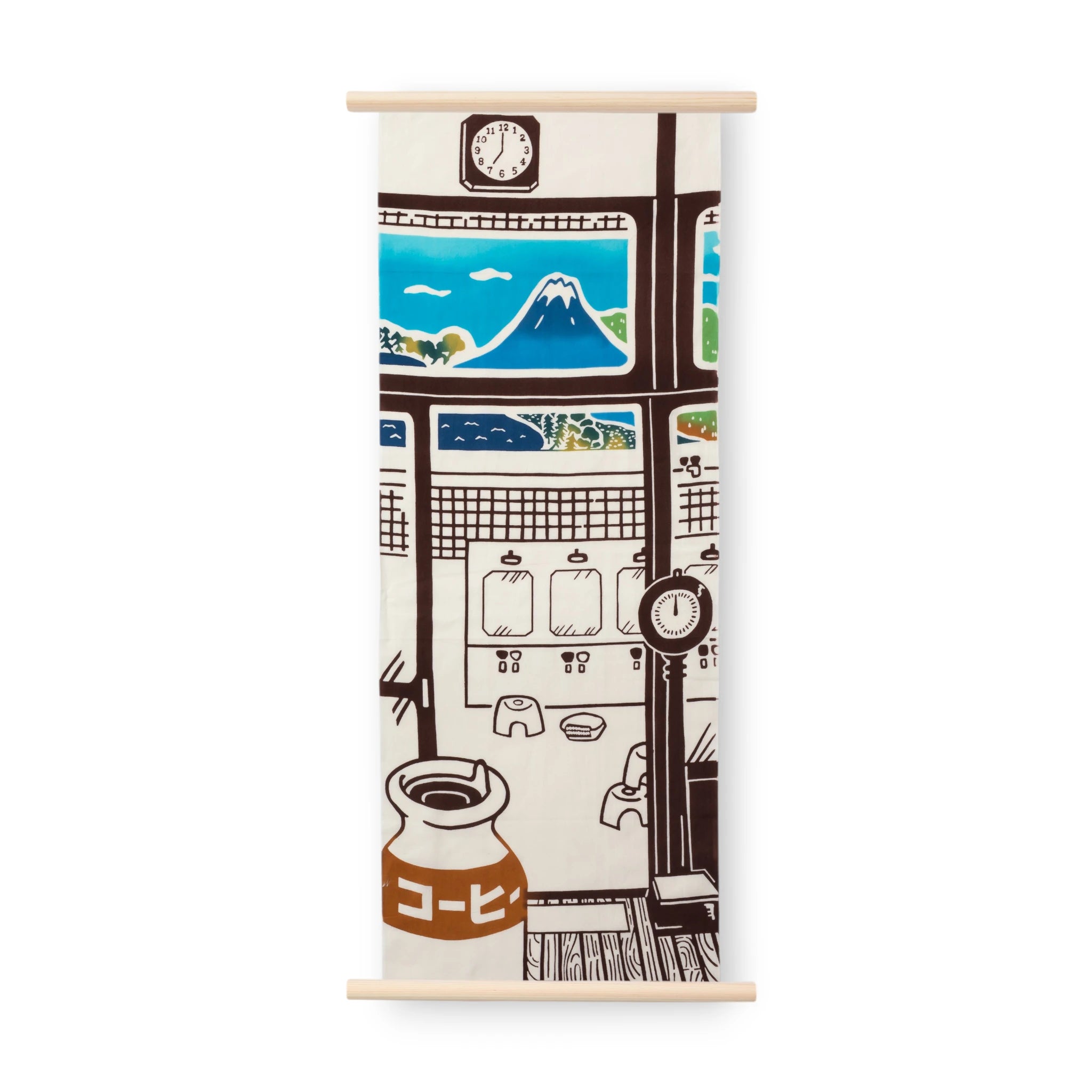
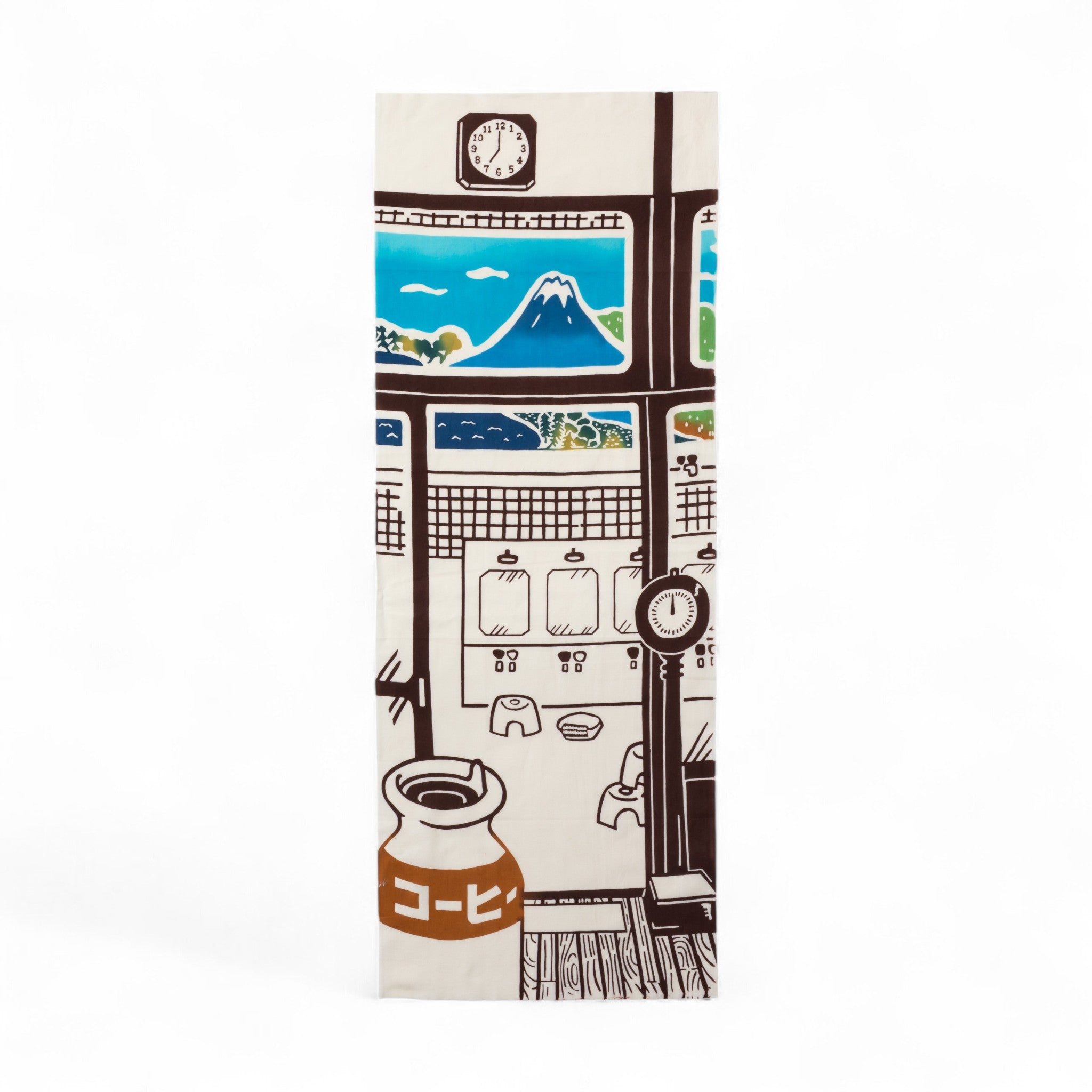
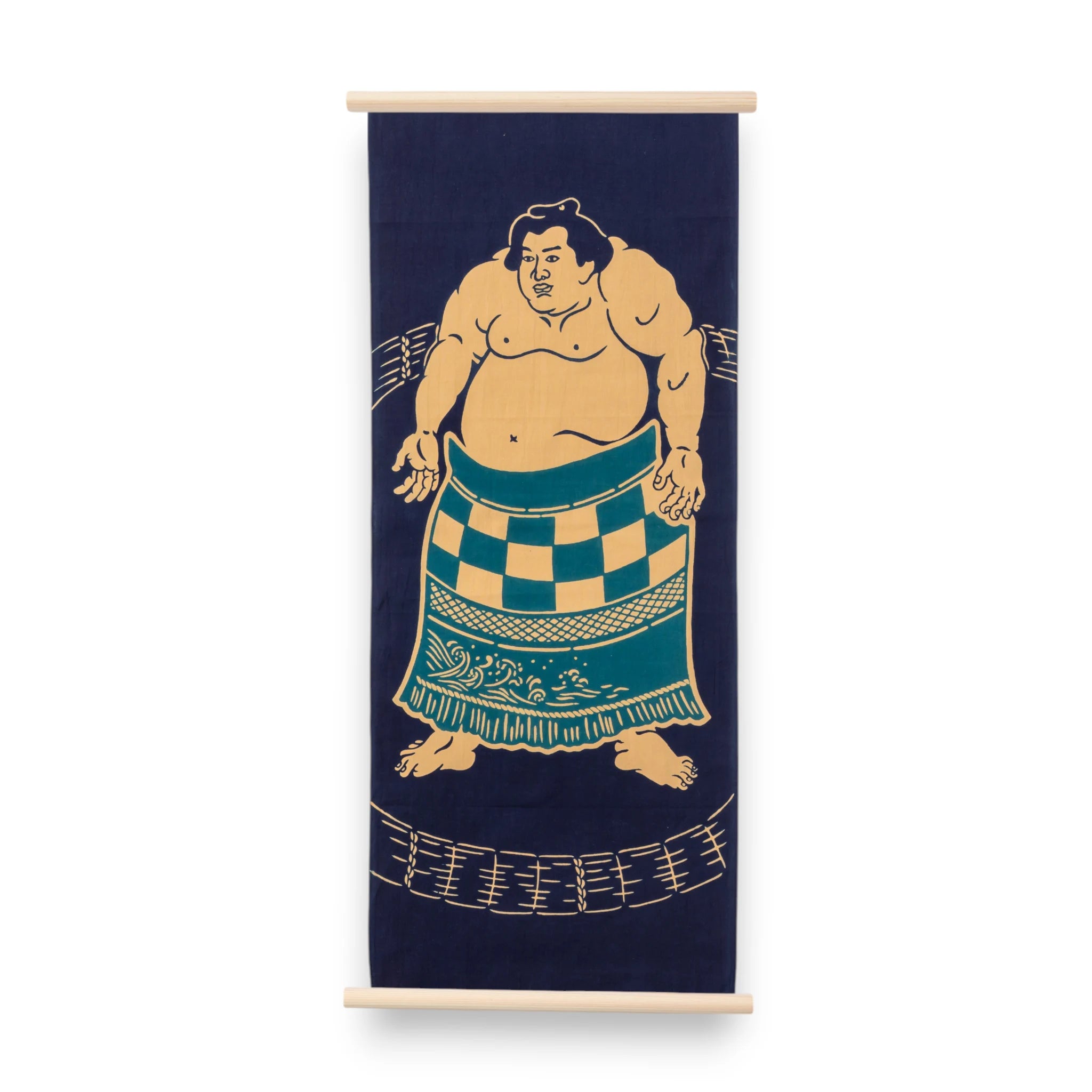
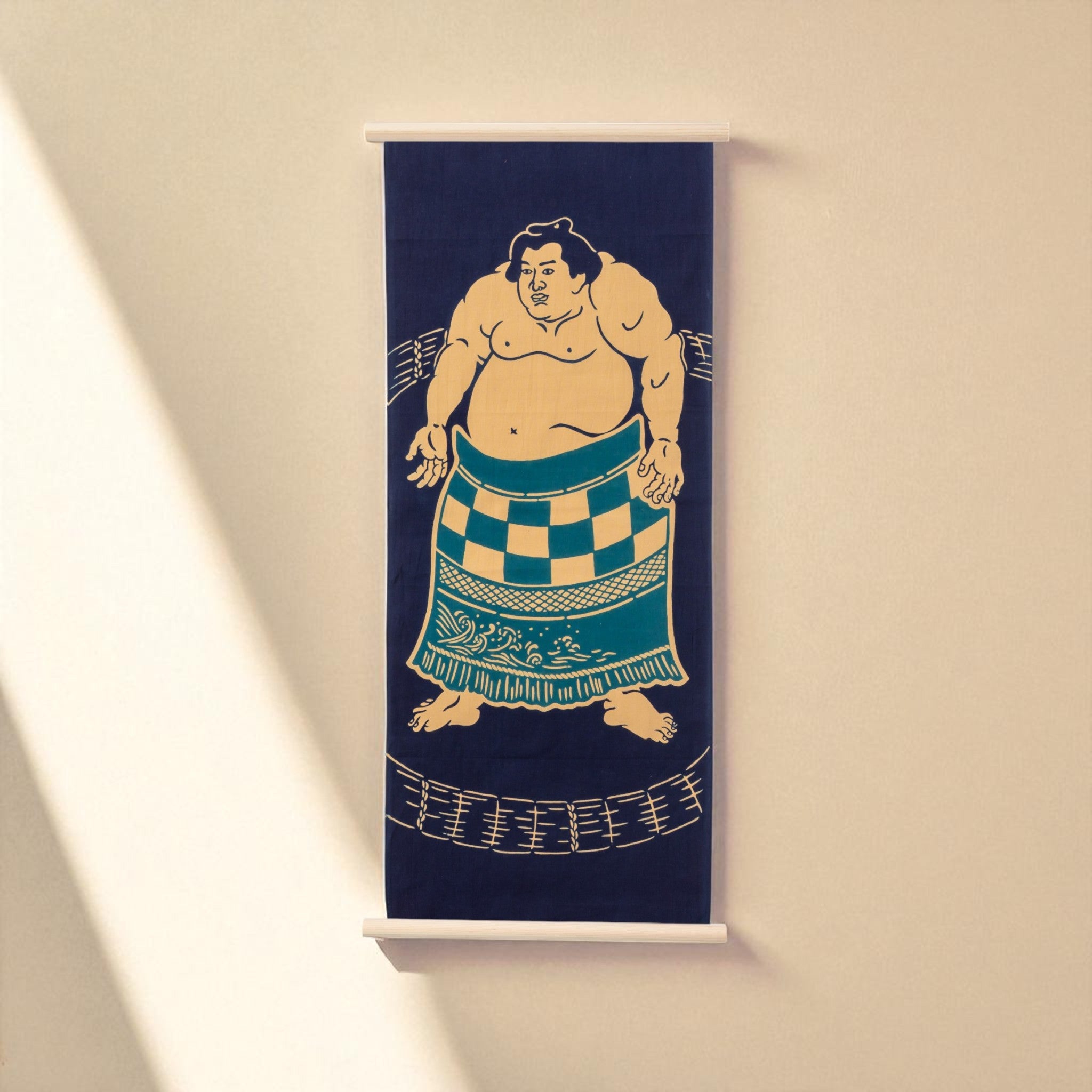
The tenugui is a versatile, rectangular cotton cloth that has been an essential part of Japanese daily life for centuries, used for everything from drying hands to wrapping gifts. In a contemporary interior, however, its role has shifted from a simple tool to a sophisticated element of wall decor. Their long, narrow proportions make them ideal for vertical spaces that might feel cluttered by traditional framed art. By using a minimalist wooden display rod, a tenugui becomes a wall hanging that can be exchanged as the seasons shift, a low-effort way to keep an interior in step with the time of year.
 This elevation from utility to art is anchored by the craft of Rienzome, a Tokyo-based workshop with a 150-year history. They specialize in the chusen dyeing method, a labor-intensive process where dye is poured through layers of cotton to create a truly double-sided design. Unlike standard prints, this technique ensures the vibrant patterns permeate the fibers entirely, giving the textile a depth and richness that no printed fabric can replicate, each piece a direct continuation of a craft that has remained largely unchanged for over a century.
Evolving Your Space with Textile
Integrating textiles into the home introduces a tactile softness that fundamentally shifts a room’s atmosphere. Unlike heavy furniture or permanent fixtures, fabric allows an interior to remain adaptable, evolving with the natural light of the day or the transition of the seasons.
Incorporating Japanese textiles offers a sophisticated alternative to static permanent decoration. By selecting pieces that serve both a practical purpose and a specific aesthetic intent, you move toward a home that breathes and remains deeply connected to nature and the calming atmosphere you wish to create.