Article: GATOMIKIO: Wood-Turners Read the Grain First
GATOMIKIO: Wood-Turners Read the Grain First
In a workshop nestled in Yamanaka Onsen, a mountain hot spring town in Ishikawa Prefecture, wood-turners settle a single question before a block of wood ever meets the lathe: which way does this piece want to be cut?
Get it wrong, and the wood answers immediately.
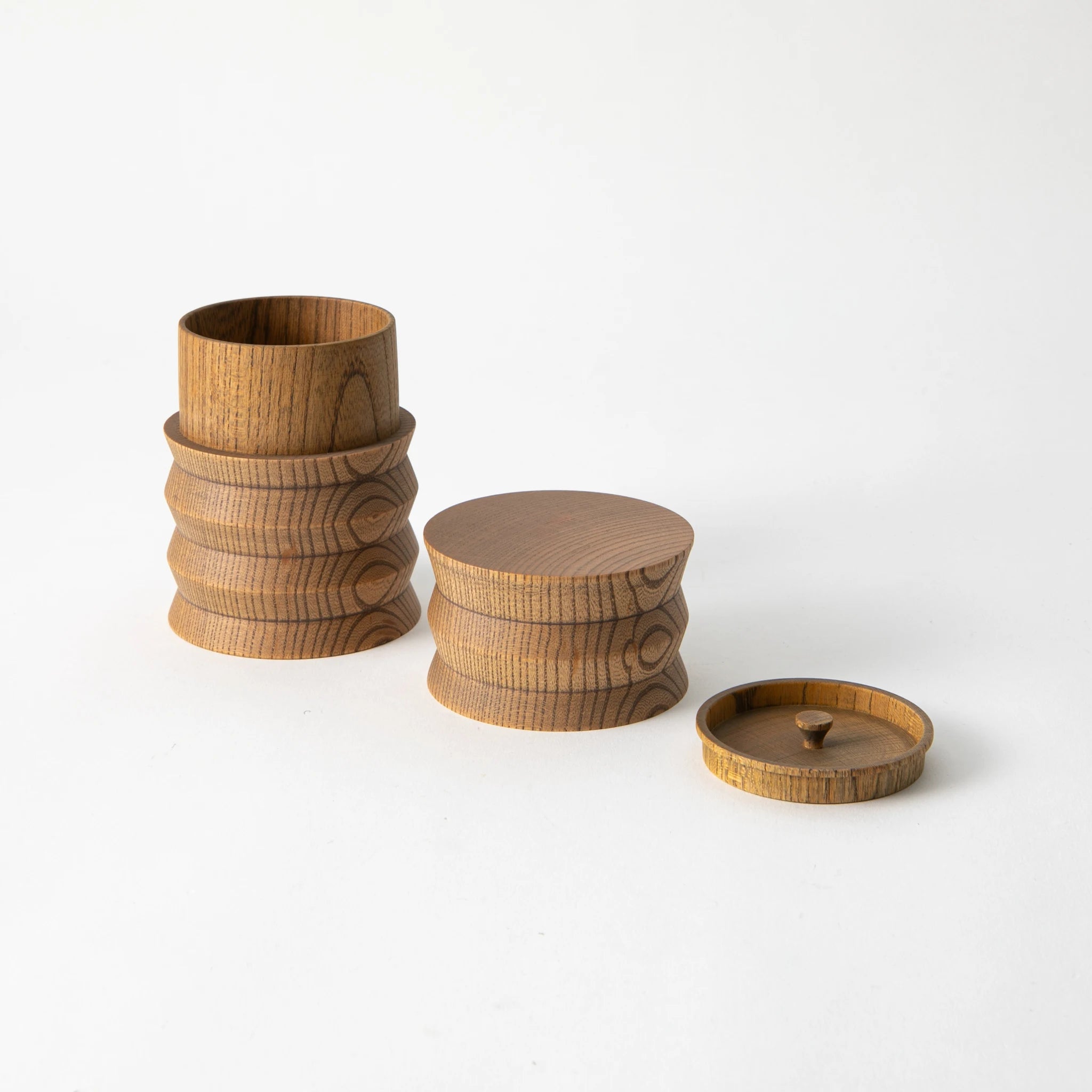
Cutting along the natural direction of tree growth, a method called tategidori, or vertical grain cutting, creates a form that resists side impacts but tears easily under vertical pressure. Cutting across the grain (yokogidori) yields an entirely different strength profile, perfectly suited for a wide, flat tray, but terrible for a deep cup. Guess wrong, and the block splits with a sharp, permanent crack.

One Technique, Every Direction
Reading grain like this is the foundation of GATOMIKIO, as it has been for over a century. Yet for fourth generation leader Gato Masayuki, the goal has never been to keep producing the same small handful of traditional forms. Instead, the objective is to take this foundational skill, the reading of the wood, the mastery of the blade, and push it into new territory.
The wood itself sets the physical boundaries: tategidori for vertical strength, yokogidori for breadth, each choice dictated by structural integrity rather than production cost. But within those boundaries lies infinite creative space. The core technique remains fixed; what the workshop asks it to make does not.

Four Generations of the Same Question
Ishikawa Prefecture divides its famous lacquerware craft across three distinct regions. Wajima applies the lacquer, Kanazawa paints the intricate gold and silver maki-e details, and Yamanaka turns the wood.
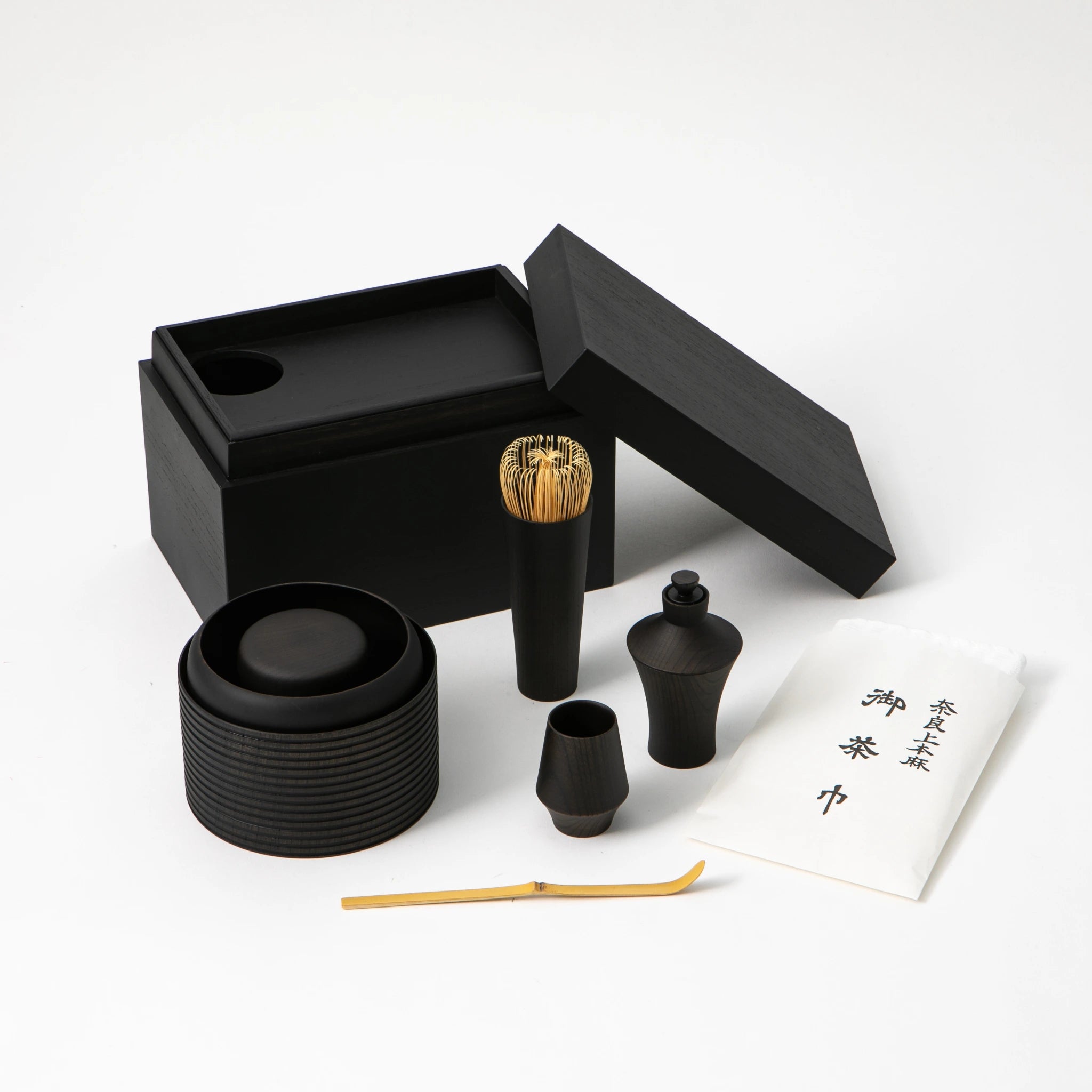
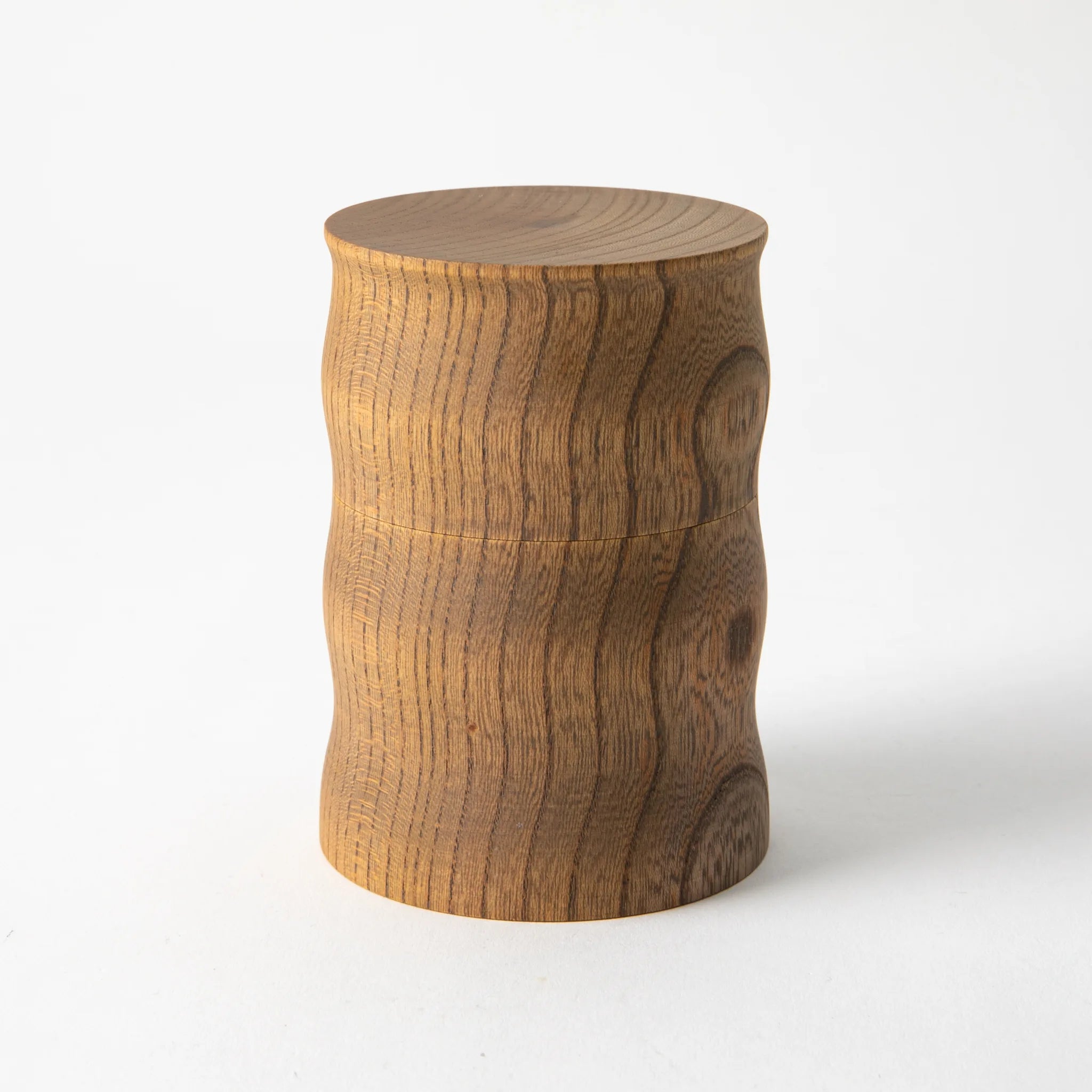
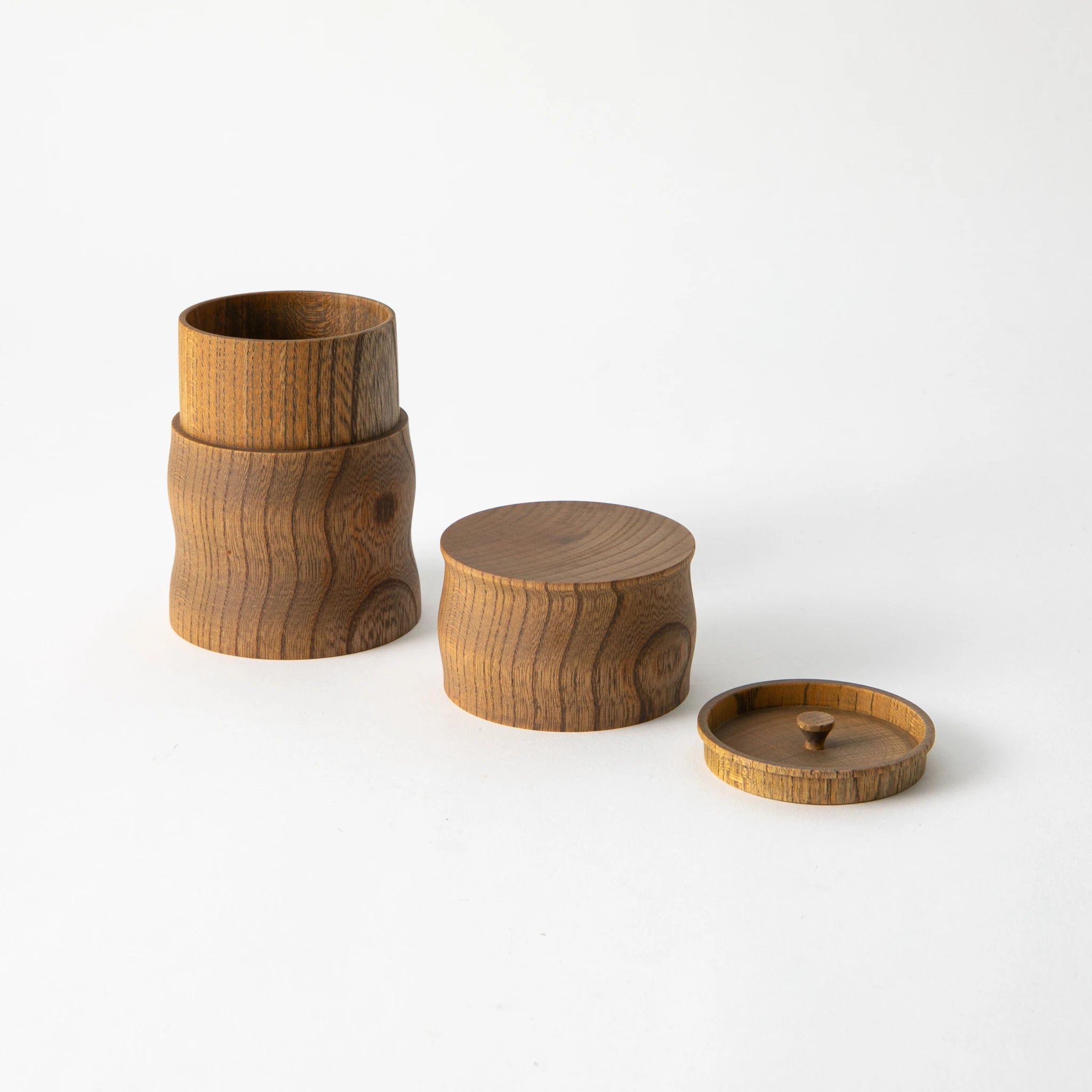
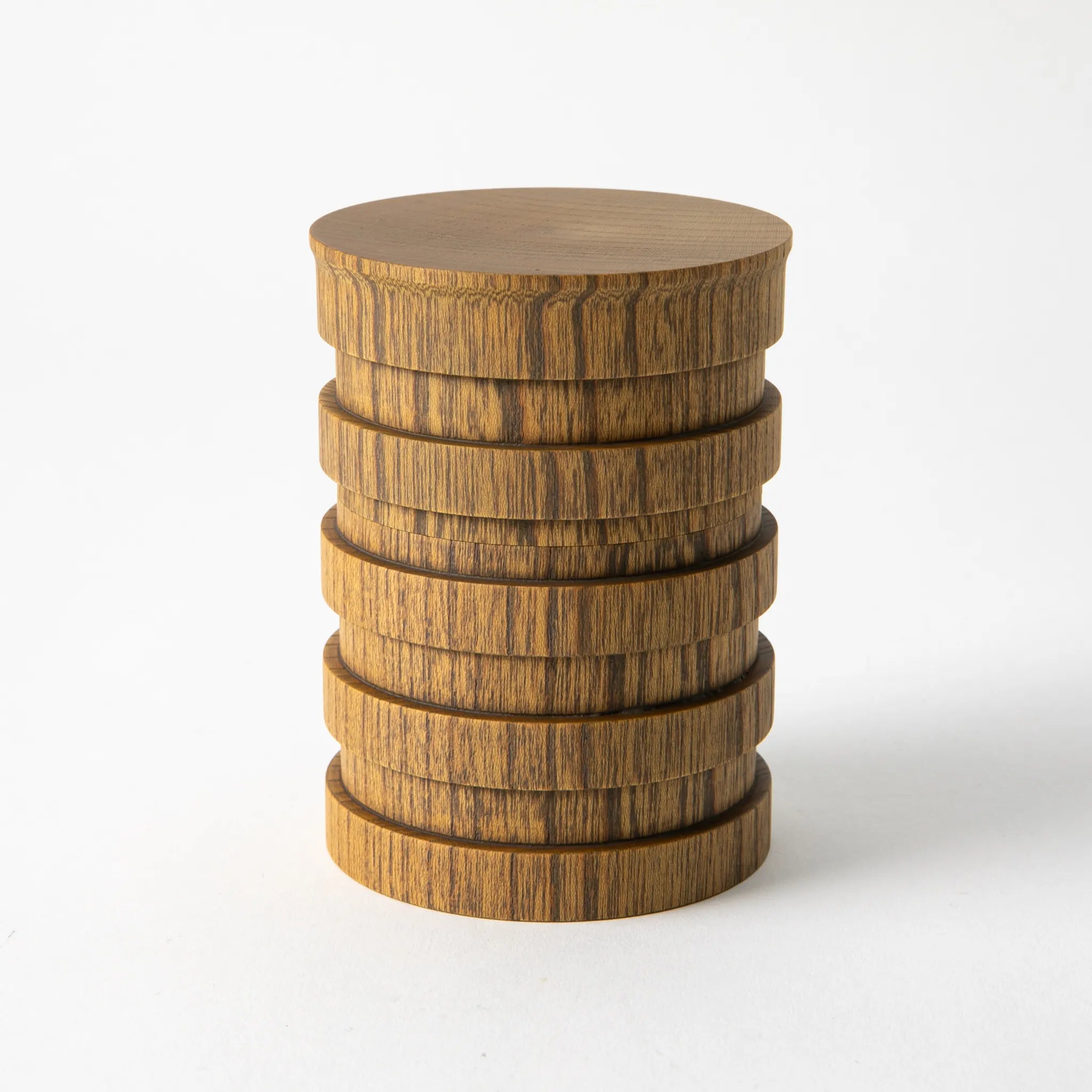
GATOMIKIO opened here in 1908 as Gato Wood Works. From the beginning, founding wood-turner (kijishi) Gato Mikio established a strict code: never disguise the wood's grain. Let it show, boldly and without compromise.
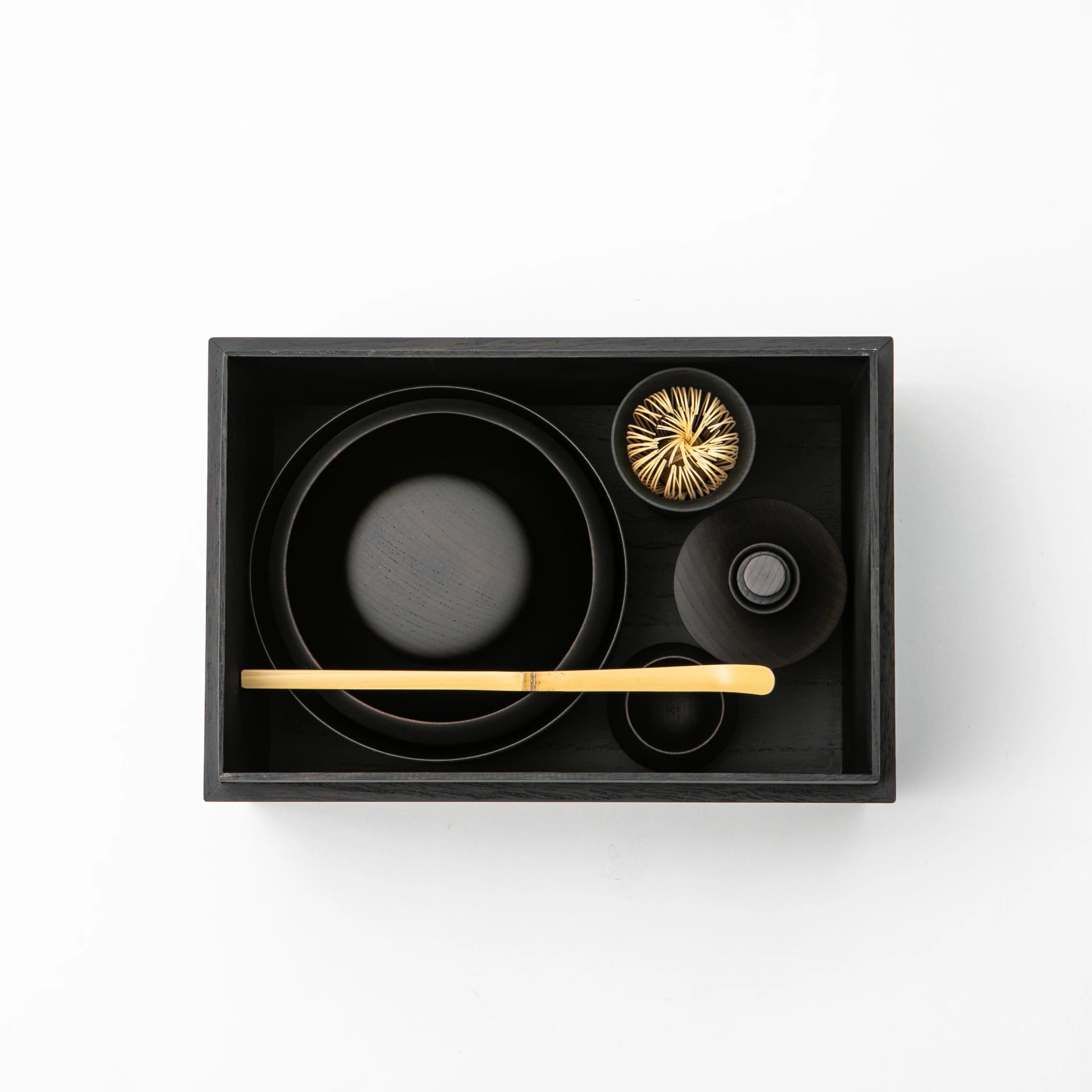
Today, Masayuki carries his great grandfather's name and legacy. While the business has expanded beyond raw wood turning into designing and finishing complete lacquerware pieces, everything still begins with the log.

What the Machines Are For
Step into the workshop today, and you will find lathes built in the 1960s and 70s. Masayuki continues to maintain this vintage machinery for a very deliberate reason: not to supplant the artisan's judgment, but to protect it.
A mechanical lathe roughs out a shape far more reliably than a fatigued hand. By absorbing the heavy physical wear of the initial shaping stage, the machine eliminates a quiet, practical risk: that a craftsman's body breaks down before their skill can mature.
What the machine cannot do is complete the final pass. Every finished piece is ultimately inspected entirely by touch. A craftsperson runs a blade along the spinning surface, feeling for subtle rises in the grain or unseen shifts in wood density. A line that appears straight to the eye often harbors irregularities only a human hand can detect. The lathe doesn't replace that human intuition, it simply gives the artisan the physical longevity to execute it day after day.

Keeping Someone There to Learn It
Even the best machinery and methods rely on human hands, and today, that pipeline is under strain. Fewer young people are entering the kijishi trade, threatening the foundational craft of the entire region.
For Masayuki, this crisis is personal. After studying accounting in Kanazawa and working nearly eight years for a wholesale distributor in Tokyo, he returned to Yamanaka in 2004 to find a local industry trapped in a race to the bottom on price. Rebuilding GATOMIKIO meant redefining the inherent financial value of their technique.
It is the same sustainability problem he now strives to solve for the next generation. Preservation isn't just about archiving techniques in a book, it's about making the craft viable enough for a young artisan to build a life around.
To bring the craft back to its roots, Masayuki opened the company's first direct storefront in Yamanaka in 2017, putting their work back in front of the local community, not just international buyers. Yet he is remarkably hands off when it comes to steering future designs. He insists that the next generation cultivate their own aesthetic judgment rather than inherit his opinions, a principle he guards closely, even when stepping in would be easier.

Round From Above, Never From the Side
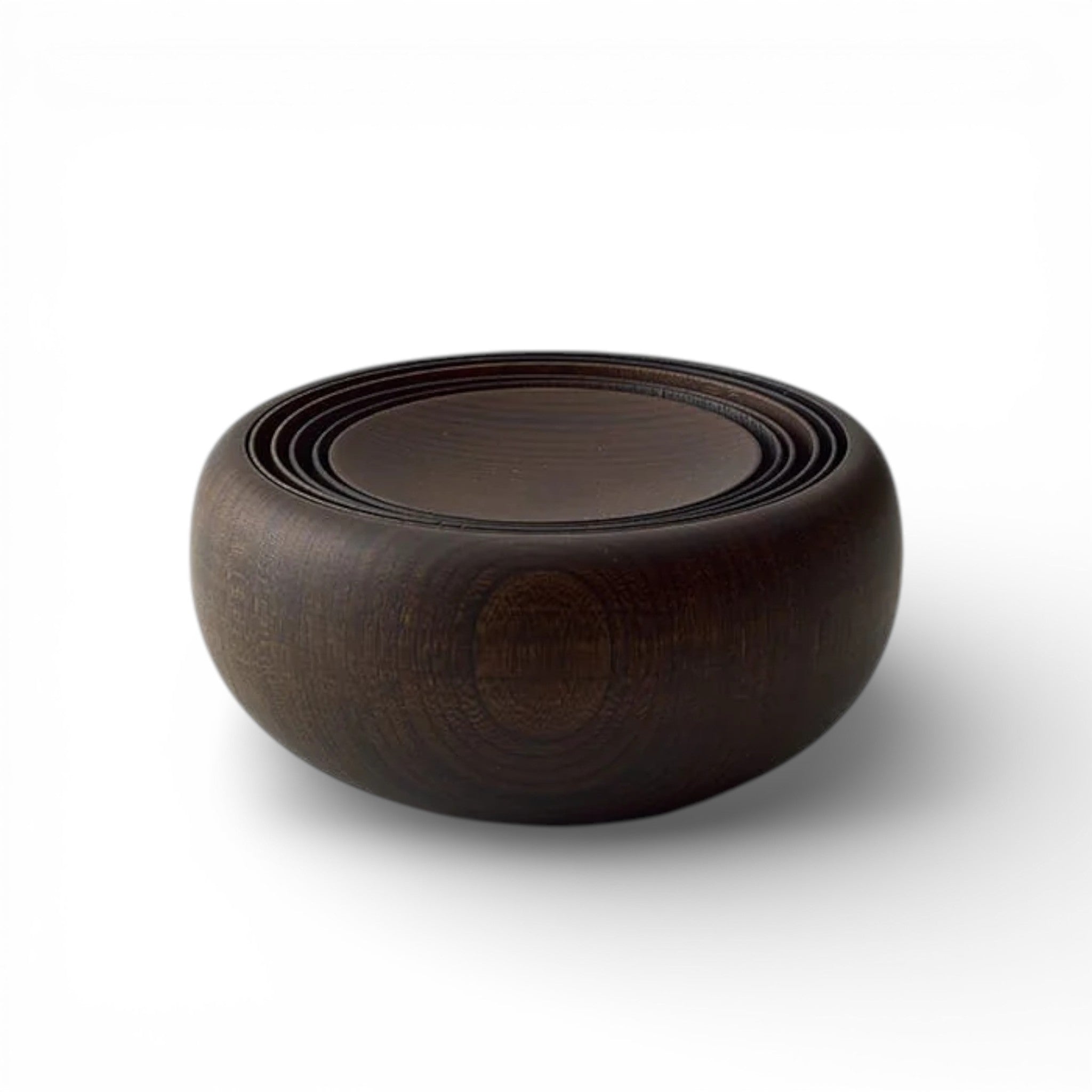
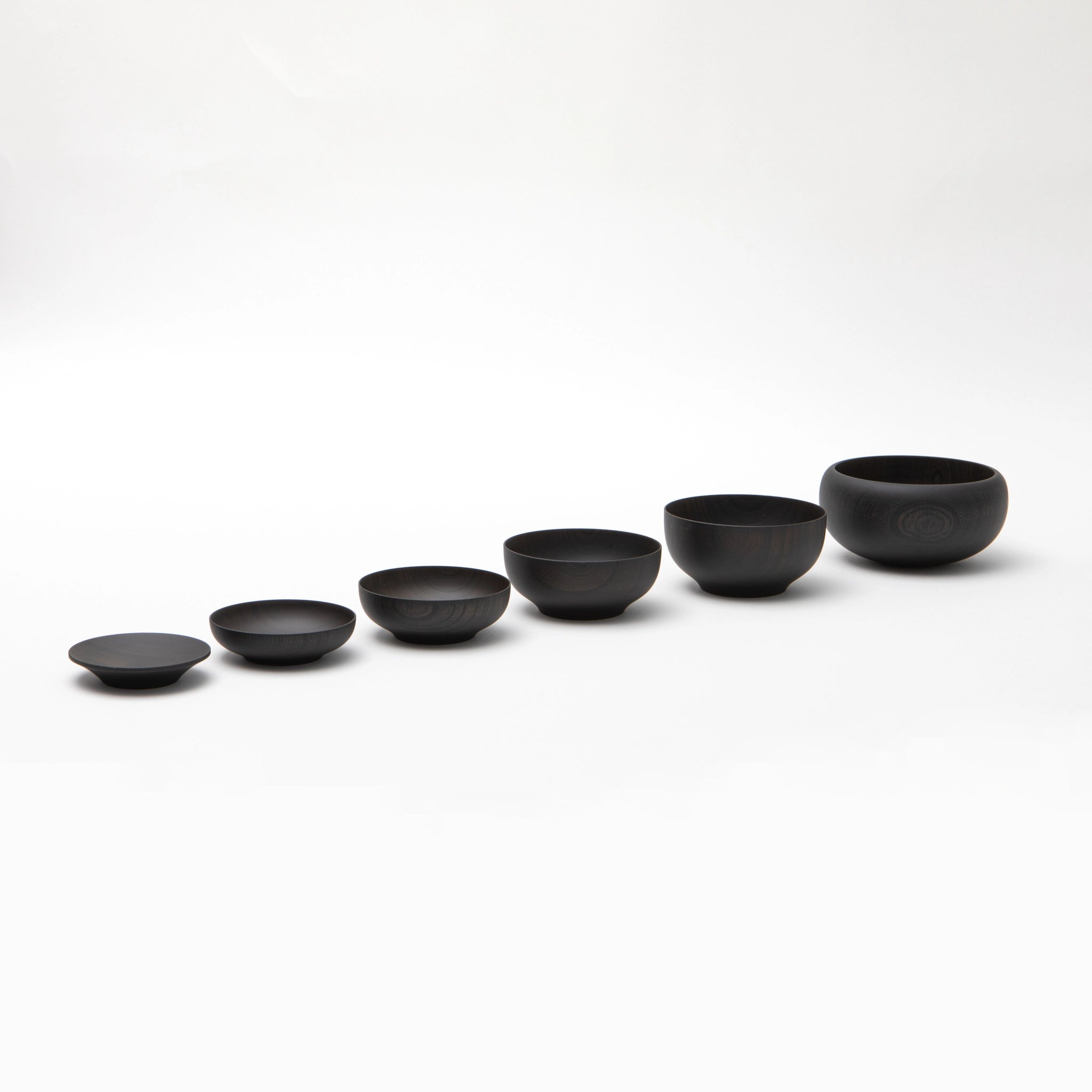
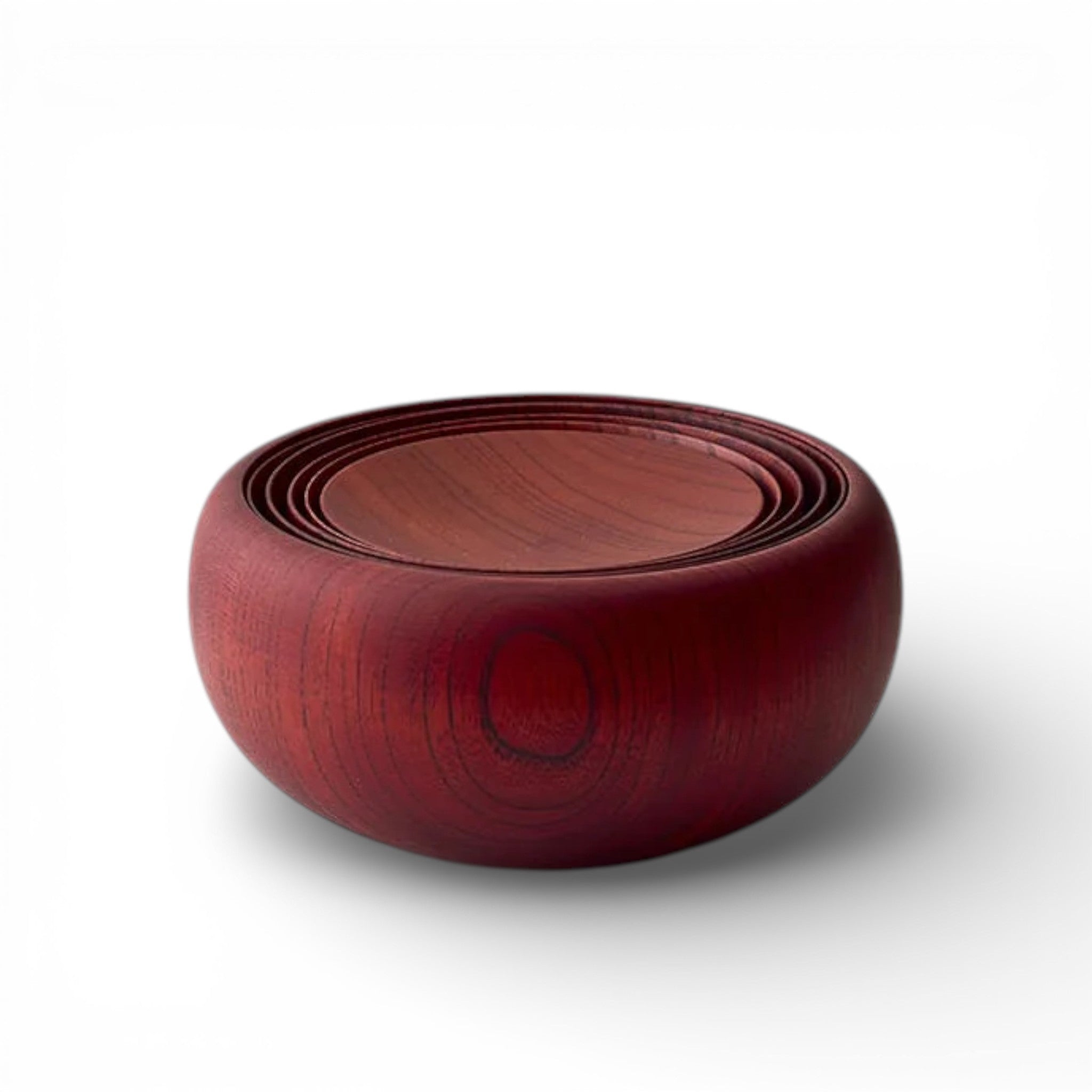
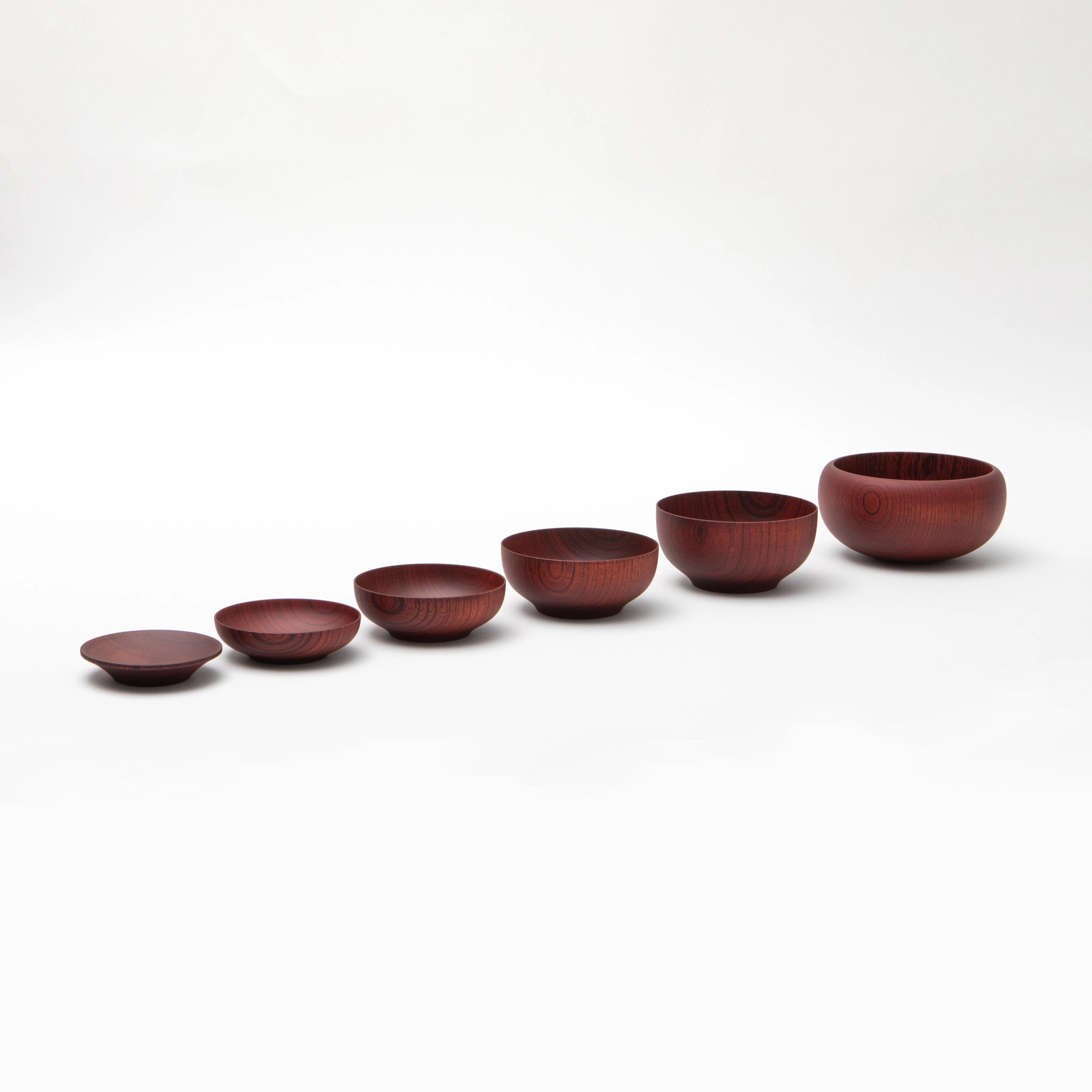
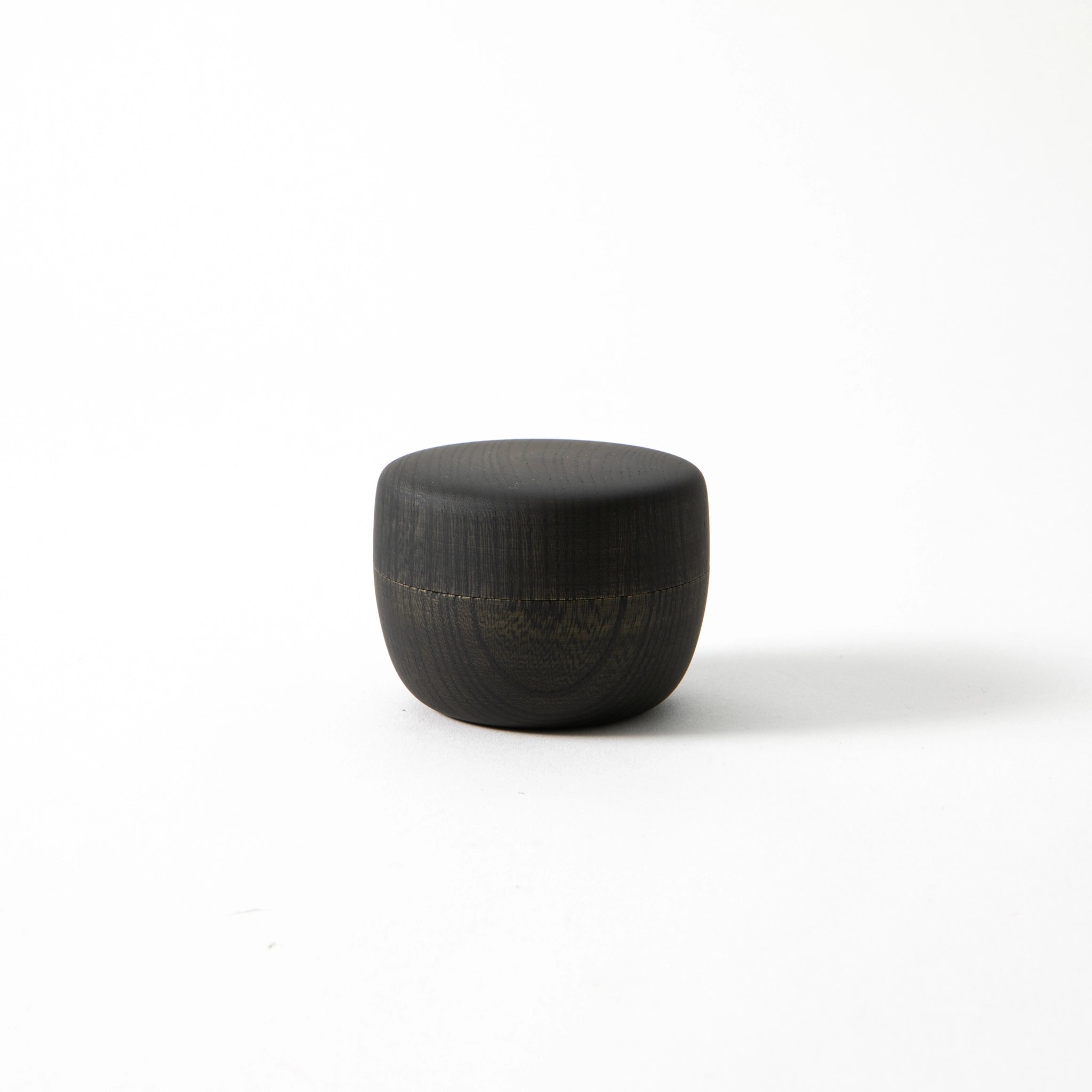
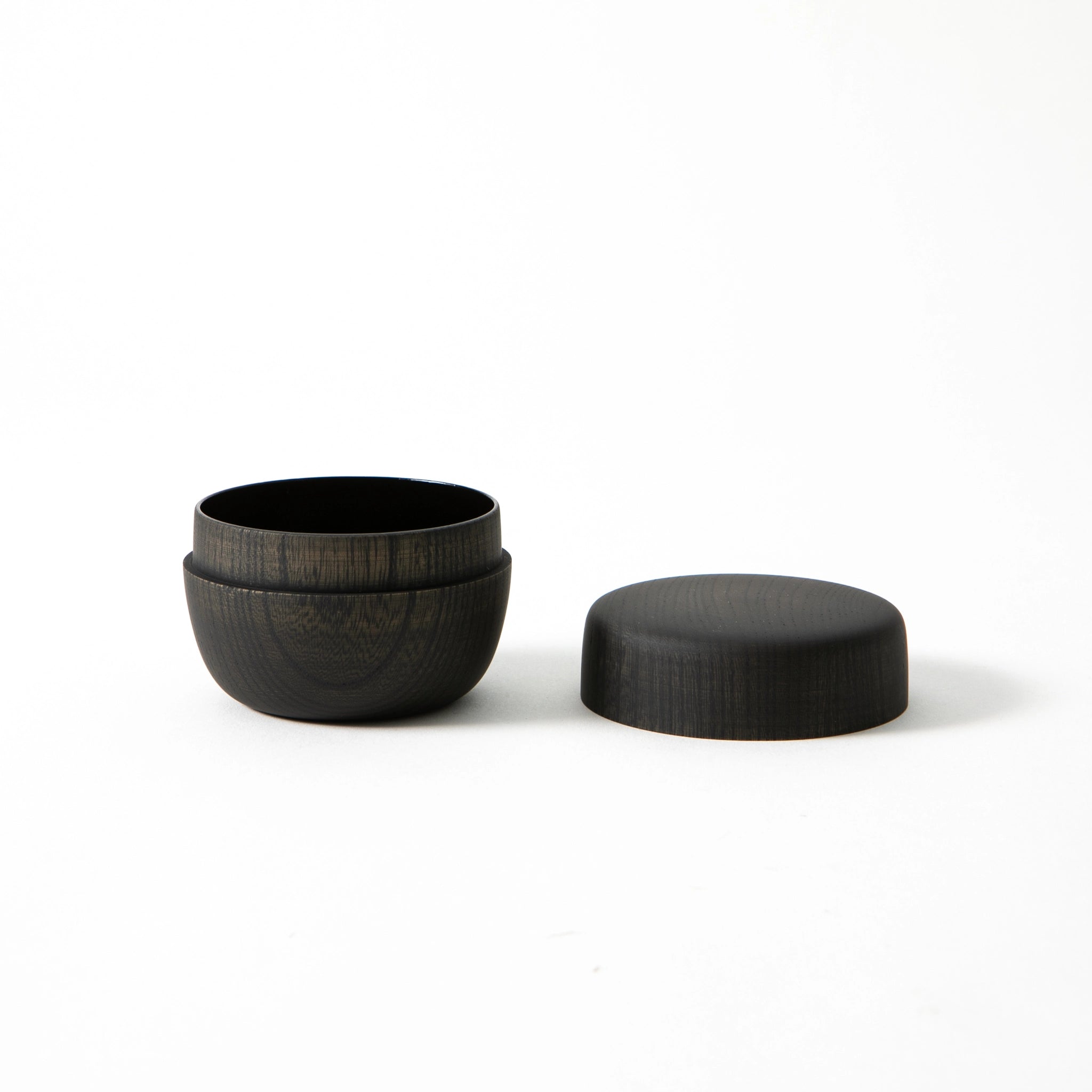
Every vessel turned on a Yamanaka lathe starts with an inescapable geometric constraint: seen from directly above, it is perfectly round, visually indistinguishable from any other bowl in the room.
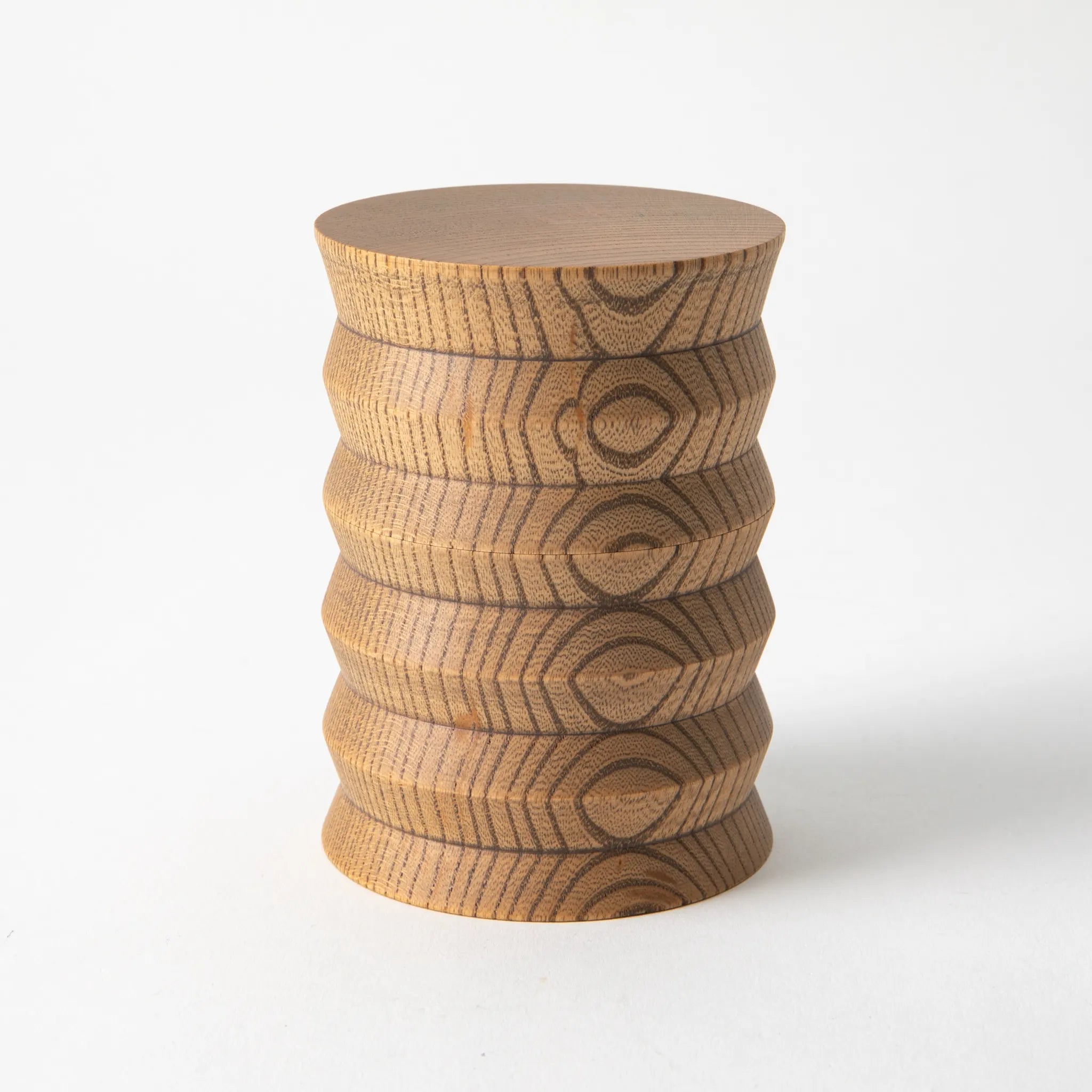
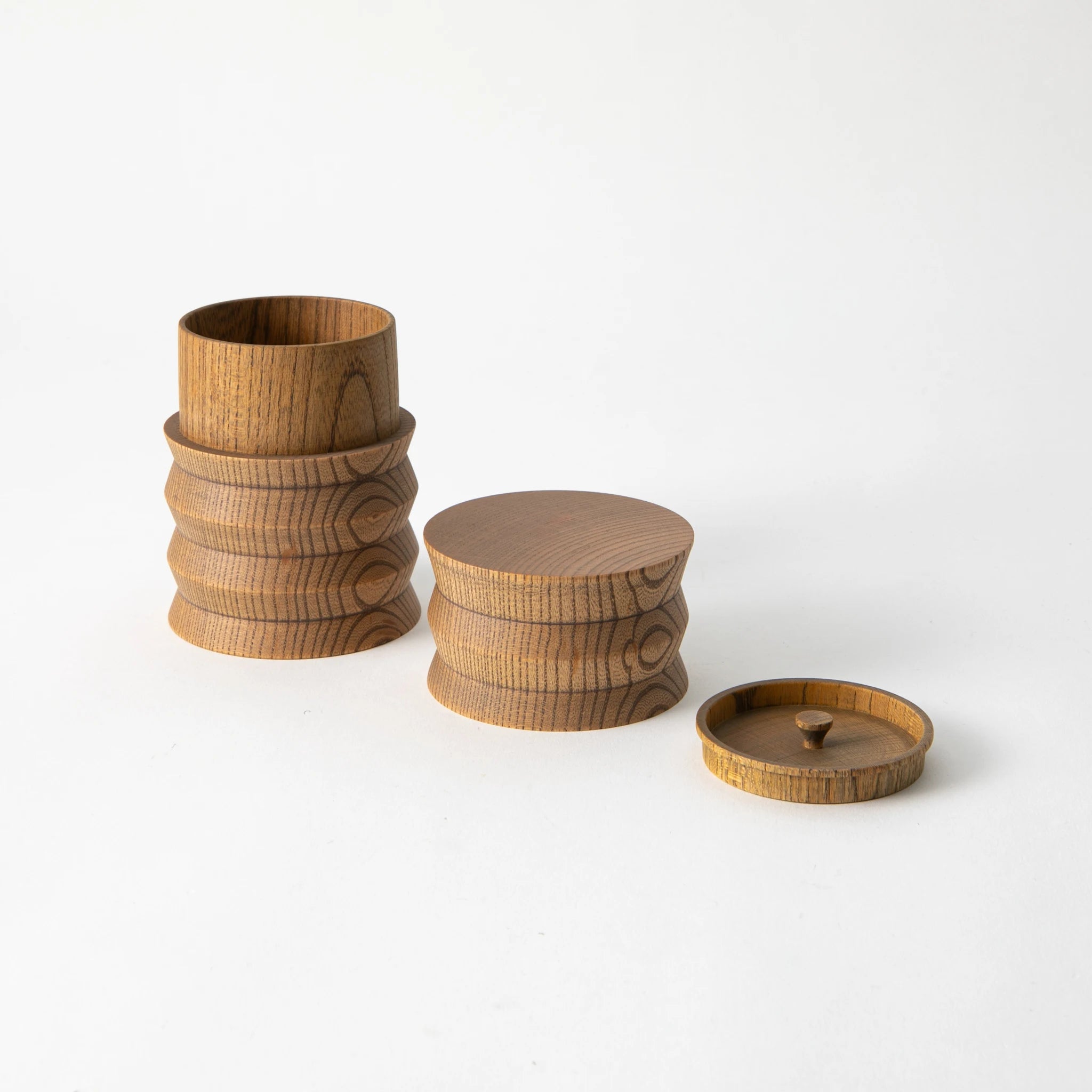
Because the overhead view is fixed by the lathe, the workshop directs all of its artistic energy into the side profile. The silhouette is where a piece claims its identity.
In a single shape, you find the ethos of the entire workshop: an unbending set of rules about how wood must be cut, and within those strict parameters, just enough space to create something the world has never seen before.